


 Contact Platform Support
 Help Center
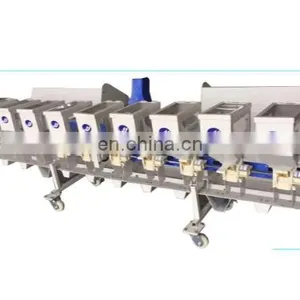
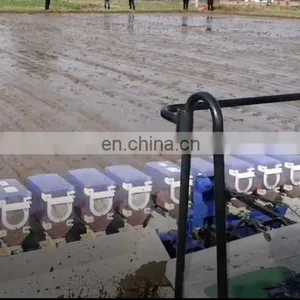
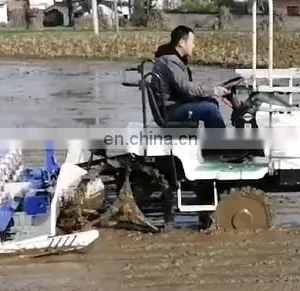
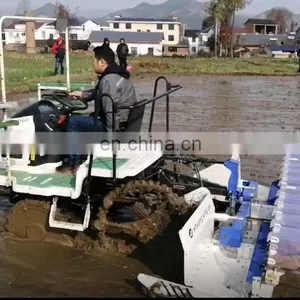
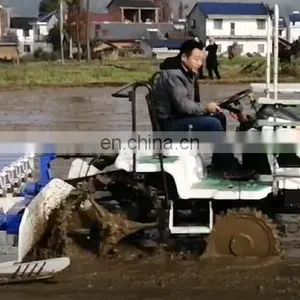
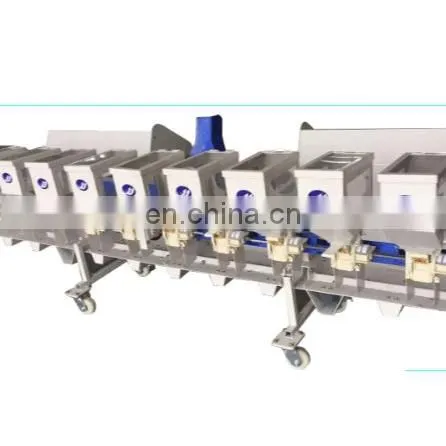
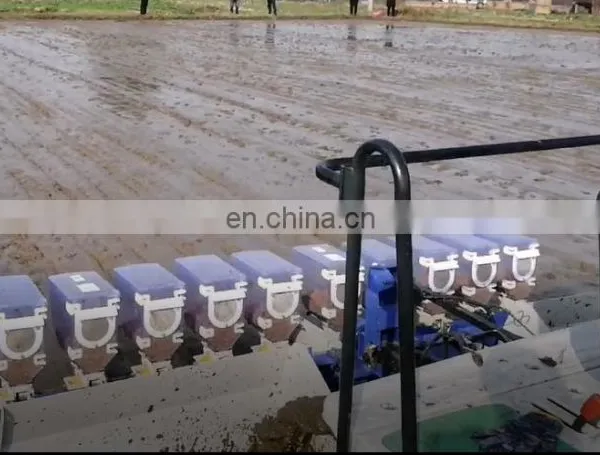
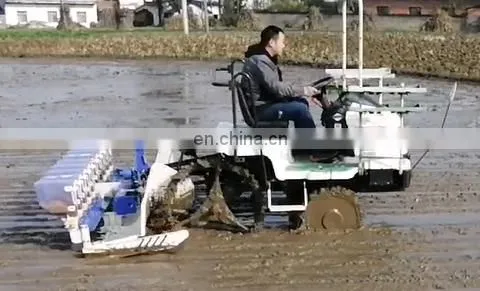
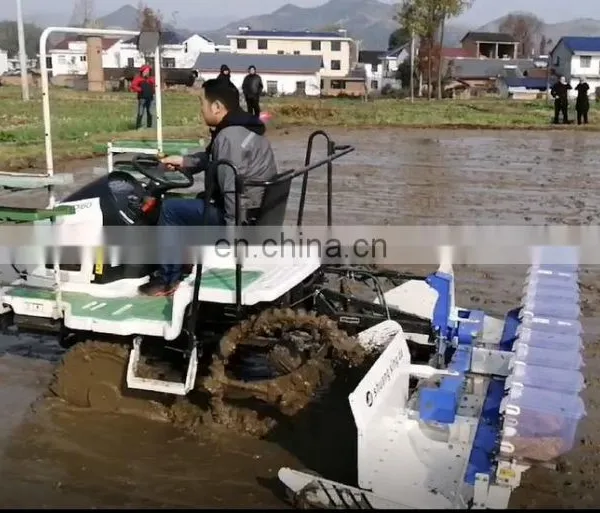
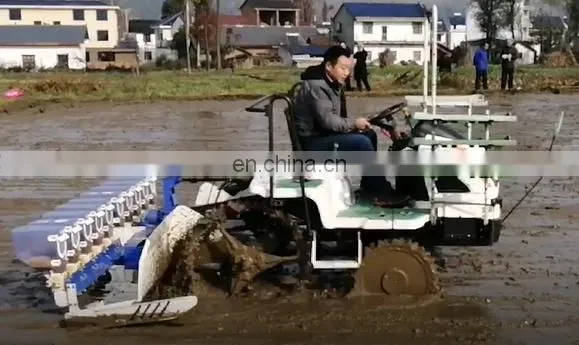
Rice Planting Machine

Related Products
-
 Wishope 55kW Farming Crawler Rubber Tractor For SaleNegotiableMOQ: 1
-
100 HP Popular Agricultural Wheel Type Tractor for Farm in AfricaNegotiableMOQ: 1
-
Rice Nursery Seedling Machine for Sale With Good Quality in March ExpoNegotiableMOQ: 1
-
AUTOMOBILE BRAKE DISCS FOR JAPANESE 2017 TO 2021 EUROPENegotiableMOQ: 1
-
High Working Efficiency Peanut Combine HarvesterNegotiableMOQ: 1
Rice direct seeding steps and essentials
1. For rice direct seeding, we first need to level and loosen the paddy field. Divided into two types of paddy field seeding and dry field seeding.
Dry field live broadcast: First, use a tractor to pull the rotary tiller to loosen and level the field, sow the direct seeder, and then irrigate.
Paddy field live: first irrigate the paddy field, and then use the tractor to pull the rotary tiller to loosen and level the field. The depth of the ploughing is recommended to be 150mm ~ 200mm, and the height of the surface of the field should not exceed 30mm. Leave a thin layer of water in the field, level the field with a water leveler, drive harrow, or artificially level the field, then drain the excess water and settle for 24-48 hours. No obvious standing water in the field (water depth not more than 10mm).
2. Before the dry field broadcast, the rice needs to be soaked for 2 days. When the rice is not budding, the air-dried seeds have no obvious moisture, and the drug is stained (red). The purpose of the dyeing is to prevent birds and rats from eating, and then pour it into the seed box of the seeder. Go live.
Before the paddy field broadcast:
1). Sun-seeding: 1 to 2 days (exposing at rest at noon), the seeds of awns are exfoliated.
2). Seed selection: Air selection, clear water selection, or salt water selection (with a specific gravity of 1.06 to 0.12) can be used to select seeds to remove pupal grains and culms with branches. Immediately after selection of salt water, elutriation with clear water to remove salt outside the chaff. (The live selection can be performed without wind selection or brine selection.)
3). Seed soaking: Use seed soaking according to relevant soaking agents. Soaking time depends on the temperature (usually 1-2 days).
4). Promoting germination: Moisture-absorbing seeds are hydrated and germinated at the normal temperature to break the breast, and then mixed to keep the temperature inside and outside of the grain pile consistent, so that the rice seeds are heated uniformly, and the breast breaks quickly and neatly. Germination promotion standard: more than 90% of the broken chest is exposed, and the bud length is not more than 2mm.
5). Mix insect repellent: stir well. Drug staining (red) is used to prevent birds and rats from eating, and then poured into seed box of seeder for live broadcast.
3. The seeding rate of hybrid rice is 1-1.5kg / mu (666 square meters). Sowing amount of ordinary rice is 3kg / mu (666 square meters). Correspond to the direct seeding machine to adjust the seeding amount per hole: 3-7 hybrid rice per hole, 10-12 ordinary rice per hole. Need to adjust the amount of seeder seeding.
4. Planning of the seeder's seeding path.
5. The dry field broadcast should be timely irrigated. After it is full, it should be drained in time the next day to prevent excessive seed soaking.
Paddy field live is drained before sowing.
6. The weeding after sowing is mainly divided into weeding before sowing and weeding after sowing according to the region. Now, the most commonly used is benproperox, sprayed in 2-4 days after sowing. (There are different weeding methods according to different places for reference only)
Whatsapp:+8618627025061
Wishope machinery

Send Inquiry to This Supplier

You May Also Like
-
Industrial Wireless Remote Control Dumper Transporter Self Loading Tracked Carrier for AgricultureUS$ 4200 - 4300MOQ: 1 Combo
-
Planting & Fertilizing MachineNegotiableMOQ: 2500 Sets
-
Seed Polishing Machine Wheat Grains Maize Polisher6US$ 5000.00MOQ: 1 Set
-
Vegetable Onion Transplanter Machine Sale From ChinaNegotiableMOQ: 1
-
YR Brand High Speed Rice Transplanter 6 Rows Goood QualityNegotiableMOQ: 1
-
2012 Newest Inorganic Compound Fertilizer Line (Capacity:1-70TPH)NegotiableMOQ: 1 Set
-
2t/h Organic Fertilizer Cylindrical Pellet Production Line (CE)US$ 8,000 - 85,000MOQ: 1 Set
-
Salt Spreader/ Fertilizer SpreaderUS$ 3,300 - 14,000MOQ: 1 Set
-
Farm Use and Best Quality Corn Seeder MachineNegotiableMOQ: 1 Set
-
2015 New Function Hand Corn Seeder for SaleUS$ 430 - 510MOQ: 1 Set


