Home > Chemicals > Chemical Auxiliary & Catalyst > Chemical Auxiliary > Can the Antiscalant ATMP be Used in Daily Chemicals?

Can the Antiscalant ATMP be Used in Daily Chemicals?

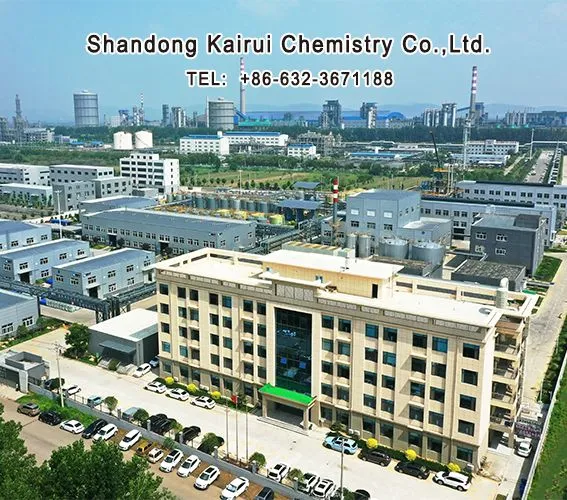
Can the Antiscalant ATMP be Used in Daily Chemicals? photo-1
US$ 99 - 9999 MOQ: 1 Ton
Key Specifications
Get Latest Price
CAS No.:
6419-19-8
Trademark:
https://www.kairuiwater.com/atmp.htm
Origin:
https://krwater.com/01-ATMP.htm

Payment & Shipping
Payment Methods:
Port of Shipment:
QINGDAO,SHANGHAI
Delivery Detail:
15 days
CAS No. 6419-19-8
Trademark https://www.kairuiwater.com/atmp.htm
Origin https://krwater.com/01-ATMP.htm

ATMP (Aminotris(methylenephosphonic acid)) is primarily known as an antiscalant  ATMP and corrosion inhibitor, commonly used in water treatment applications. However, its application in daily chemicals (such as personal care products, household cleaning agents, or cosmetics) is not as common as in industrial water treatment. Here's a breakdown of ATMP's potential role in daily chemicals:

1. What is ATMP?
  • Chemical Composition: ATMP is an organophosphonic acid that contains an amine group and three phosphonic acid groups, which makes it an excellent scale inhibitor and chelating agent. It is particularly effective at preventing the precipitation of calcium, magnesium, and other metal ions, which form scale in water systems.

  • Primary Uses: It is mainly used in cooling towers, boilers, reverse osmosis (RO) systems, and oilfield water treatment, where it helps prevent scaling and corrosion.

2. Possible Uses of ATMP in Daily Chemicals

While ATMP is not typically used in consumer-facing products, its properties could theoretically be applied in certain daily chemical formulations, especially those dealing with water hardness or metal ion management.

A. Household Cleaning Products
  • Potential Application: ATMP could be used in cleaning products, especially for descaling purposes in products designed to clean surfaces that come into contact with hard water (like kettles, dishwashers, showers, etc.). It might be included in bathroom cleaners, limescale removers, or dishwasher detergents.

  • Mechanism: As a scale inhibitor, ATMP would help prevent the buildup of calcium carbonate and other hard water deposits on surfaces. It could also assist in preventing corrosion on metal parts of household appliances, similar to its function in industrial settings.

B. Personal Care Products
  • Potential Application: ATMP’s use in personal care products like shampoos, conditioners, or soaps is unlikely, as these products are generally formulated for skin and hair care rather than for water treatment. However, ATMP could, in theory, be used in products designed to treat water hardness or prevent buildup on hair.

  • Mechanism: In products that aim to manage hard water, ATMP could function similarly to other chelating agents (like EDTA), which help bind to mineral ions in the water, preventing them from depositing on the skin or hair.

C. Fabric Softeners or Laundry Detergents
  • Potential Application: Similar to its potential use in personal care products, ATMP could theoretically be used in laundry detergents or fabric softeners that are formulated to deal with hard water. The phosphonate could prevent the buildup of scale on clothing, especially in washing machines.

  • Mechanism: ATMP could bind to calcium and magnesium ions, preventing them from precipitating on clothing and washing machine components, improving the effectiveness of laundry detergents and softeners in hard water areas.

3. Limitations for Use in Daily Chemicals
  1. Safety Concerns: ATMP is a highly active chelating agent and may not be suitable for direct skin contact in high concentrations. Its use in daily chemicals would need to be carefully formulated to ensure that it is safe for consumer use. Many phosphonates, including ATMP, are chemically reactive and could irritate skin or eyes in high concentrations.

  2. Regulatory Approval: Many daily chemical products, especially in the personal care and cosmetics sectors, are subject to rigorous regulatory standards. The use of ATMP in these products would require compliance with safety and health regulations, and it may not be widely approved for this purpose due to its nature as an industrial chemical.

  3. Specialized Use: ATMP's primary function as a scale inhibitor and corrosion inhibitor makes it more suitable for industrial water treatment systems than for general consumer products. In daily chemicals, there are often other more widely accepted chelating agents like EDTA or citric acid that are used for similar purposes, which might be safer and more effective in consumer products.

4. Alternatives to ATMP in Daily Chemicals

In many daily chemicals—especially those meant for consumer use—there are other more commonly used chelating agents and additives that serve similar functions:

  • EDTA (Ethylenediaminetetraacetic acid): A well-known chelating agent used in cleaning products, detergents, and cosmetics.

  • Citric Acid: Often used in household cleaning products to remove scale, lime buildup, and rust.

  • Sodium Tripolyphosphate: Common in laundry detergents and dishwasher powders as a water softener.

These alternatives are generally safer and have a longer history of use in consumer-facing applications.

Conclusion

While ATMP is not typically used in daily chemicals like personal care products, household cleaners, or detergents, it could theoretically be used in formulations designed to manage water hardness or prevent scale formation. However, its strong chelating and reactive properties may limit its practical application in consumer products. More commonly used chelating agents like EDTA, citric acid, or sodium tripolyphosphate are preferred in these applications due to their proven safety and effectiveness. Therefore, ATMP's primary applications remain in industrial water treatment rather than in daily consumer products.


Product Tags: antiscalant ATMP , antiscalant

Send Inquiry to This Supplier

* Message
0/5000

Want the best price? Post an RFQ now!
Verified Business License
Business Type
Manufacturer
Year Established
2011
Factory Size
5,000-10,000 square meters
Annual Export Value
US$10 Million - US$50 Million