Home > Electrical & Electronics > Electrical Control System > GE IS200ESERLH3AAA Excitation Control System Module

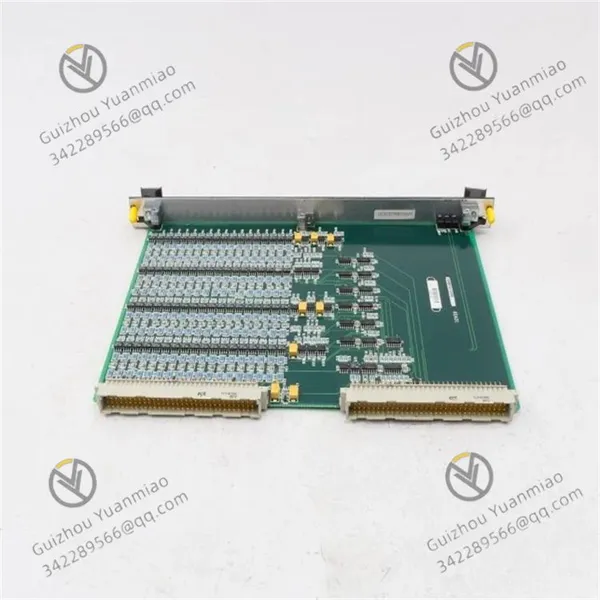
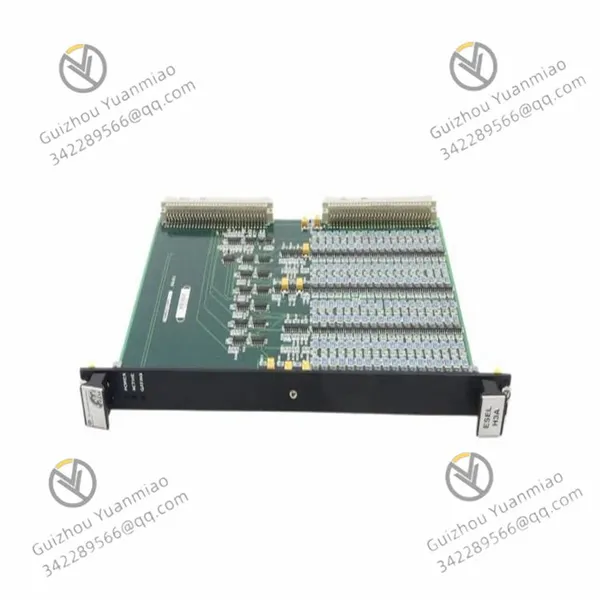
GE IS200ESERLH3AAA Excitation Control System Module
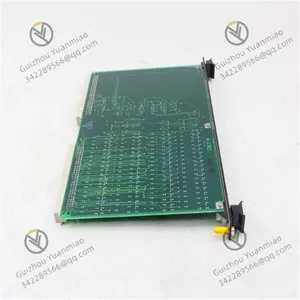
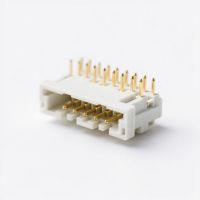
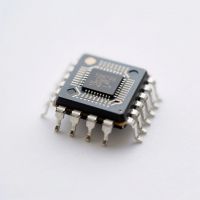
GE IS200ESERLH3AAA Excitation Control System Module photo-1
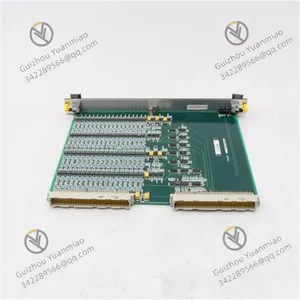
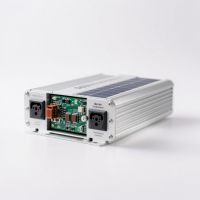
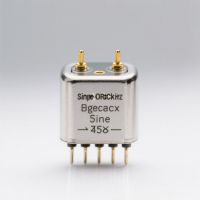
GE IS200ESERLH3AAA Excitation Control System Module photo-2
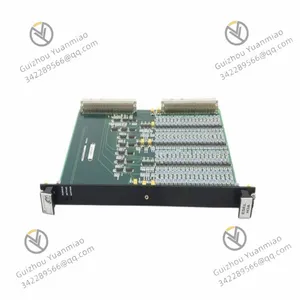
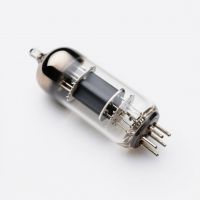
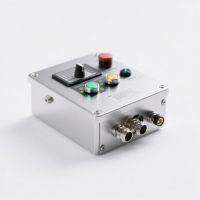
GE IS200ESERLH3AAA Excitation Control System Module photo-3
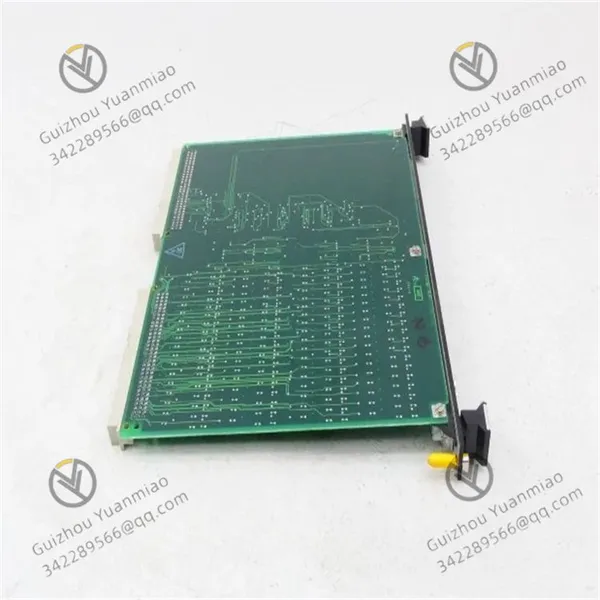
Negotiable MOQ: 1 Piece (Price negotiable depending on order volume and customization)
Key Specifications
Get Latest Price
Material:
Other
Certification:
Other
Function:
Other

Payment & Shipping
Payment Methods:
Port of Shipment:
China
Delivery Detail:
Delivery time depends on order quantity.
Material Other
Certification Other
Function Other
Condition Other
Task Other
Mathematical Model Other
Signal Other
Customized Other
Structure Other
GE IS200ESERLH3AAA Excitation Control System ModuleIS200ESERLH3AAA—01
Working Principle
Voltage Regulation Principle:
Synchronous generators convert mechanical energy into electrical energy through electromagnetic induction. The excitation control system adjusts the generator's magnetic field strength to regulate its output voltage and reactive power. The IS200ESERLH3AAA module monitors the generator's output voltage and calculates the voltage difference against a preset reference value when fluctuations occur due to load changes. It then adjusts the excitation current via dedicated circuits, altering the magnetic field strength to restore the output voltage to the setpoint, ensuring stability.


Signal Acquisition & Processing:
The module receives three-phase stator current signals from the generator's current transformers and voltage signals from potential transformers. These signals undergo filtering, isolation, and amplification before being converted into digital formats via analog-to-digital converters. The processed data enables internal control algorithms to compute operational parameters such as average three-phase voltage/current, active power, and reactive power.


Control Signal Output:
Based on algorithmic calculations, the module outputs control signals—for example, triggering pulse signals to power devices like thyristors to regulate their conduction angles, precisely controlling the excitation current. Similar to the IS200ESELH3A module, which sends gate pulse signals to trigger SCRs, the IS200ESERLH3AAA likely employs a comparable mechanism to modulate excitation current through semiconductor components.


System Protection Mechanisms:
To safeguard the generator and system, the module incorporates multiple protective functions. It continuously monitors operational status and initiates immediate actions—such as automatically adjusting excitation current or issuing alarms—upon detecting  conditions like overloads, short circuits, or overheating, preventing equipment damage and ensuring grid stability.


Collaboration with Other Components:
As part of the excitation control system, the IS200ESERLH3AAA module interfaces with other system components via high-speed serial links or communication protocols. It exchanges data with control boards, receiving input signals and transmitting status updates to collectively achieve precise excitation control.

IS200ESERLH3AAA—02


Functional Features
Signal Interface Capability:
Drawing parallels with the IS200ESYSH3A I/O terminal board, which connects external inputs/outputs to the excitation system, the IS200ESERLH3AAA likely shares similar functionality. It interfaces with sensors (e.g., voltage/current sensors) to acquire generator signals and outputs control commands to excitation-related devices, enabling seamless signal exchange.


Electrical Isolation:
To ensure system stability and mitigate external interference, GE’s excitation modules often utilize isolation technologies—such as the isolation transformers in the IS200ESYSH3A. The IS200ESERLH3AAA probably features analogous isolation circuitry to electrically decouple external and internal circuits, enhancing noise immunity.


Redundancy Design:
Certain GE excitation modules, like the IS200ESYSH3A with simplex control mode, incorporate redundancy mechanisms. The IS200ESERLH3AAA may include redundant components or failover capabilities to maintain basic system operation during component malfunctions, improving reliability.


Control & Regulation Functions:
Comparable to GE’s 0880001-01 excitation regulator, which monitors and adjusts excitation current to maintain desired voltage levels, the IS200ESERLH3AAA likely regulates excitation current to stabilize generator output voltage, ensuring power system reliability.


IS200ESERLH3AAA—03

Application Scenarios
Power Generation:
Used in various power plants (thermal, hydro, wind) to control generator excitation, ensuring stable output voltage and enhancing power system steady-state and dynamic performance.


Oil & Gas Industry:
Integrated into large motor-driven equipment for oil/gas extraction and transportation, providing excitation control to ensure continuous operation and process reliability.


Marine Applications:
Applied to shipboard generators to meet varying power demands under different sailing conditions and used in offshore wind platforms to stabilize power generation and transmission.

Product Tags: IS200ESERLH3AAA

Send Inquiry to This Supplier

* Message
0/5000

Want the best price? Post an RFQ now!
Verified Business License
Business Type
Trading Company
Year Established
2014
Factory Size
1,000-3,000 square meters
Product Certifications
SA8000