Contact Platform Support
 Help Center
GE DS200TCRAG1ACC Relay Output Board



Related Products
-
 GE VMIVME-7650-83H 350-007650-83H C VME Controller BoardNegotiableMOQ: 1 Piece
 -
GE IC697CPX772 Single-socket Central Processing Unit (CPU) ModuleNegotiableMOQ: 1 Piece
-
GE IS215WETAH1BB Application Control Layer Module (ACLE)NegotiableMOQ: 1 Piece
-
GE IS200WETAH1AGC Input/Output (I/O) Interface CardNegotiableMOQ: 1 Piece
-
GE SR745-W2-P1-G1-HI-E-H Transformer Control RelayNegotiableMOQ: 1 Piece
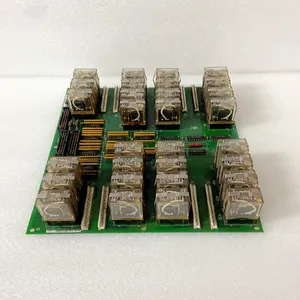
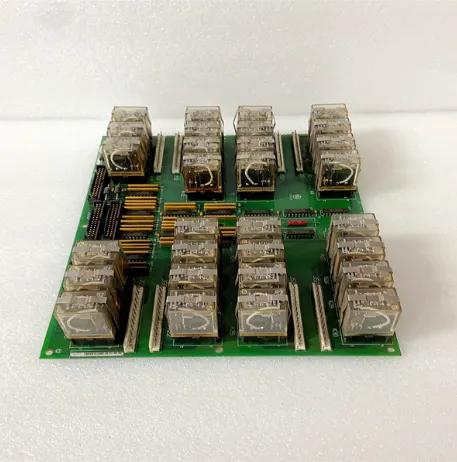
GE DS200TCRAG1ACC is a relay output board designed specifically for industrial automation control systems, gas turbine control, and other applications. It features high modularity and reliability. The board integrates multiple plug‑in relays and rich interfaces, enabling on/off control of external electrical equipment, reception and exchange of digital signals, while providing overload and short‑circuit protection. It is widely used in DCS, PLC control systems, gas turbine control, and other industrial scenarios. As a key interface component connecting the control unit and field actuators, it provides reliable output control support for stable system operation.
1. Positioning and System Relationship
System Affiliation
This product belongs to the GE DS200 series, model DS200TCRAG1ACC, classified as an industrial‑grade relay output board. Developed and manufactured by GE (General Electric), it is one of the core interface boards in its industrial automation control product portfolio for medium and large‑scale industrial control scenarios.The module focuses on on/off control and signal interaction for field actuators, balancing modular flexibility and operational reliability. It can be seamlessly integrated into GE Mark series control systems (including Mark I, Mark II, and Mark III), and is compatible with various DCS, PLC control systems, and gas turbine control processors. With good versatility and interoperability, it can be quickly integrated into existing automation networks without extensive system modifications, significantly reducing deployment costs and commissioning complexity.
Featuring a modular design with the core positioning of “precise output, stable communication, and convenient expansion”, the board can serve as the core output unit of a control system. It operates in conjunction with the digital I/O cores (QD or CD cores) of up to three gas turbine control processors, or with general data processors, to achieve centralized control of multiple on‑site electrical devices. It adapts to industrial automation, gas turbine control, and other scenarios, balancing flexibility and scalability to meet industrial control output requirements of different scales and types.
Core Role
Positioned as an “actuation control interface node” in industrial automation control systems, its core responsibilities cover three dimensions: relay control, signal interaction, and safety protection, as detailed below:
Precise relay control: Equipped with multiple plug‑in relays, it enables on/off control of external electrical equipment. It accurately triggers relay actions according to commands issued by the control system, ensuring orderly operation of field actuators and meeting the switching control needs of various industrial equipment.
Digital signal interaction: Integrates digital input interfaces to receive digital signals from the control system and determine relay actuation timing. It also communicates with other control systems or devices through multiple connectors, building a signal transmission bridge between the control unit and field actuators to ensure smooth command delivery and status feedback.
Safe operation protection: Built‑in overload and short‑circuit protection functions effectively protect the board itself and connected external equipment, avoiding equipment damage or system failures caused by overload, short‑circuit, and other abnormalities, reducing downtime risks and improving system operational safety.
Flexible adaptation and expansion: Highly modular design allows configuration and expansion based on actual application requirements, adapting to control scenarios of different scales without replacing the core board, reducing system upgrade and modification costs, and improving system reusability.
Stable interface adaptation: Integrates multiple standard connectors with a well‑arranged layout, enabling stable connection with various control units and field actuators. It ensures stable and reliable signal transmission and adapts to the complex operating environment of industrial sites.
Mounting Position
Mounting method: Compact design supports both DIN‑rail mounting and panel mounting. Small in size and space‑saving, it is easy to deploy in industrial control cabinets. The installation process is simple and efficient, allowing qualified maintenance personnel to complete installation and wiring quickly.
Physical dimensions: Standard size 120mm × 90mm × 45mm, compact structure, weight approx. 1.0kg. Easy to transport, install, and maintain, it suits various industrial control cabinet installation scenarios. Matching fasteners can be selected based on the mounting method to reduce installation difficulty.
Front‑panel interfaces: Integrates 4×34‑pin connectors (JOR, JOS, JOT, JO) and 4×12‑pin connectors (JS3, JS4, JS5, JS6). It also includes digital input interfaces and relay output interfaces with clear labeling for easy wiring, commissioning, and maintenance, providing user‑friendly operation and lowering maintenance barriers.
Operating environment: Adapted to harsh industrial site conditions. Operating temperature range: -20°C to 60°C. It can operate stably in conventional industrial environments such as high/low temperatures, dryness, and dust. It meets the needs of most industrial scenarios without additional special protection equipment and features good anti‑interference performance for stable operation in complex electromagnetic environments.
System Architecture
Typical system integration architecture:Upper control system (DCS/PLC/GE Mark series) → Control processor (gas turbine control processor or general data processor) → GE DS200TCRAG1ACC relay output board → Field actuators (various electrical equipment).
In addition, the board can interconnect with other control boards and expansion modules through its own connectors to expand control functions and provide redundant backup, improving system reliability.The board receives digital signals from the control processor, triggers corresponding relay actions after logical judgment, and implements on/off control of on‑site electrical equipment. It also feeds back relay operating status to the control processor, forming a complete closed loop: Command Issuance → Signal Reception → Relay Actuation → Status Feedback, ensuring automated and precise operation of industrial control processes.
2. Functions and Technical Features
1. Precise Relay Control Capability
Multi‑relay configuration: Equipped with 30 plug‑in relays, enabling simultaneous on/off control of 30 channels of external electrical equipment. Each relay has a contact rating of 0.5 amps, meeting the control requirements of most small industrial electrical devices and adapting to centralized control scenarios.
Contact specifications: SPST (Single‑Pole Single‑Throw) normally open contacts. Maximum switching voltage: 250V AC / 30V DC; maximum switching current: 5A. Compatible with external electrical equipment of different voltage and current ratings.
Precise control response: Fast relay actuation response, promptly receiving digital signals from the control system and triggering actions to ensure accurate control of field equipment and smooth industrial control processes. Response speed meets conventional industrial field requirements.
2. Rich Interfaces and Signal Interaction Capability
Multi‑type connectors: Integrates 4×34‑pin (JOR, JOS, JOT, JO) and 4×12‑pin (JS3, JS4, JS5, JS6) connectors, enabling stable communication with other control systems, boards, or devices to satisfy multi‑channel signal transmission needs. The well‑organized layout simplifies wiring and maintenance.
Digital input interface: Dedicated digital input ports receive signals from the control system or processor, accurately determining relay actuation timing to ensure smooth execution of control logic.
Signal transmission stability: Industrial‑grade interface design delivers reliable contact and anti‑interference performance, effectively avoiding signal distortion or interruption and ensuring smooth exchange of control commands and status signals in complex industrial environments.
3. Industrial‑Grade Reliability and Safety Protection
Robust hardware design: Uses industrial‑grade high‑quality components and a reinforced circuit board, providing excellent shock and vibration resistance. It effectively withstands on‑site mechanical vibration and dust, extending service life and reducing failure rates.
Safety protection functions: Built‑in overload and short‑circuit protection mechanisms continuously monitor board status. Upon abnormalities such as overload or short circuit, protection actions are triggered immediately to prevent damage to the board and connected equipment, ensuring safe and stable system operation.
Environmental adaptability: Operating temperature range -20°C to 60°C for stable performance in extreme industrial temperatures. Excellent EMC performance resists on‑site electromagnetic interference, ensuring stable and reliable operation.
Low failure rate design: Mature industrial‑grade design with no wearable parts, enabling long‑term continuous stable operation, reducing maintenance workload and cost to meet industrial continuous operation demands.
4. Easy Operation and Maintenance
Modular design: Highly modular structure with plug‑in relays for easy maintenance and replacement. A faulty relay can be replaced individually without changing the entire board, reducing maintenance cost and time.
Clear interface labeling: Connectors and interfaces are clearly marked to assist maintenance personnel with wiring, commissioning, and troubleshooting, lowering maintenance barriers and improving efficiency.
Easy installation: Supports DIN‑rail and panel mounting with a simple process and no complex tools required. Qualified technicians can complete installation and commissioning quickly, shortening system deployment cycles.
5. Flexible Expansion and System Compatibility
Flexible expansion: Highly modular design supports configuration and expansion according to actual control needs. It can work with other DS200 series boards and expansion modules to increase control channels or extend functions, supporting upgrades from small to medium/large centralized control scenarios without core board replacement, reducing upgrade costs.
Wide compatibility: Seamlessly integrates with GE Mark I, Mark II, Mark III control systems and various DCS/PLC systems. It operates with gas turbine control processors (QD/CD cores) and general data processors, offering strong versatility and interoperability for quick integration into existing networks.
Equipment adaptability: Connects to various industrial external electrical devices, supporting different voltage and current rated actuators to meet control needs in industrial automation, gas turbine control, and other applications.
3. Technical Specifications
Product Identification
Model: GE DS200TCRAG1ACC
Brand: GE (General Electric)
Manufacturer: General Electric
Series: DS200 Series
Type: Industrial‑grade relay output board
Mounting: DIN‑rail mounting, panel mounting
Dimensions: 120mm × 90mm × 45mm
Weight: Approx. 1.0kg (2.2046lb / 35.2740oz)
Core Parameters
Core functions: On/off control of external electrical equipment, digital signal reception and exchange, overload/short‑circuit protection
Relay configuration: 30 plug‑in relays, SPST, normally open
Relay contact ratings: Max. switching voltage 250V AC/30V DC, max. switching current 5A, contact rating 0.5A
Interface configuration: 4×34‑pin (JOR, JOS, JOT, JO), 4×12‑pin (JS3, JS4, JS5, JS6), digital input interfaces
Power supply: 24V DC
Operating temperature: -20°C ~ 60°C
Storage temperature: -40°C ~ 85°C
Relative humidity: 5%~95% RH (non‑condensing)
Protection: Overload protection, short‑circuit protection
Compatible cores: QD, CD digital I/O cores for gas turbine control processors, general data processors
Physical and Environmental
Installation location: Inside industrial control cabinets (DIN‑rail / panel mounting)
Operating temperature: -20°C ~ 60°C
Storage temperature: -40°C ~ 85°C
Humidity: 5%~95% RH (non‑condensing)
Anti‑interference: Excellent EMC performance, resistant to industrial electromagnetic interference
Mechanical performance: Shockproof and vibration‑resistant, adapted to industrial mechanical environments
Compatibility
Compatible systems: GE Mark I, Mark II, Mark III control systems, various DCS and PLC control systems
Compatible devices: Gas turbine control processors (QD, CD cores), general data processors, various industrial external electrical equipment
Incompatible with: Non‑industrial standard interface devices, equipment with non‑compatible voltage ratings
4. Supported Systems and Accessories
Compatible Host Systems
Dedicated compatibility: GE Mark I, Mark II, Mark III control systems, gas turbine control systems
Application scope: Output actuation in industrial automation control, gas turbine control, DCS/PLC systems, especially for centralized control of multiple external electrical devices in power, petrochemical, metallurgy, and other industries.
Required Accessories
Power supply: 24V DC power supply (matching the board’s voltage requirements for stable operation)
Connection cables: Special cables for 34‑pin and 12‑pin connectors, shielded twisted‑pair cables (for signal transmission and interference reduction)
Mounting accessories: DIN rail, panel mounting fasteners (selected based on mounting method)
Control processor: Gas turbine control processor (QD or CD core) or general data processor (for issuing control commands)
Terminal blocks: For interface wiring to ensure secure and reliable connections
Optional Accessories
Spare plug‑in relays: For later fault replacement to improve maintenance efficiency
Surge protective devices: For industrial sites with large voltage fluctuations and high interference to protect the board and interface circuits
Signal isolators: For complex high‑interference environments to enhance signal transmission stability and avoid distortion
Special debugging tools: For board commissioning and troubleshooting to improve maintenance efficiency
DS200 series expansion modules: For expanding control channels or functions to suit complex control scenarios
5. Application Scenarios
Gas turbine control: Serves as the core output unit of gas turbine control systems, working with gas turbine control processors to switch supporting electrical equipment, ensuring stable start‑up and operation. Applied in gas turbine control in power, petrochemical, and other industries.
Industrial automation control: Used in DCS and PLC systems as a relay output interface board for centralized on/off control of multiple on‑site electrical devices in production lines and assembly lines, supporting automated production processes.
Power industry: Deployed in control systems of power plants and substations to operate various auxiliary electrical devices. With strong anti‑interference and safety protection, it adapts to harsh power industry environments and ensures stable power system operation.
Petrochemical industry: Applied in automation control systems of petrochemical workshops to control pumps, valves, and other electrical equipment. It performs reliably in high/low temperature, dusty environments to ensure safe and continuous petrochemical production.
Metallurgical industry: Used in control systems of metallurgical production lines to operate conveyors, auxiliary heating equipment, and other electrical devices. With overload and short‑circuit protection, it meets complex control requirements and harsh operating environments in metallurgy.

Send Inquiry to This Supplier


You May Also Like
-
GE DS200RT8AG3AHC Relay Terminal BoardNegotiableMOQ: 1 Piece
-
GE VMIVME-017614-132 VME Controller BoardNegotiableMOQ: 1 Piece
-
GE VMIVME-7698 VME Bus Single-board ComputerNegotiableMOQ: 1 Piece
-
GE DS200FSAAG2ABA Field Supply Gate Amplifier BoardNegotiableMOQ: 1 Piece
-
GE VMICPCI-7806-211000 350-657806-211000L Single-board Computer (SBC)NegotiableMOQ: 1 Piece
-
GE VMIPMC-5565 PMC (PCI Mezzanine Card) Type ROM CardNegotiableMOQ: 1 Piece
-
GE PV2121ED160012CT Embedded Power Supply Enclosures / Power ModulesNegotiableMOQ: 1 Piece
-
GE CM400RGICH1ACB PACSystems RX3i Series PLC ModulesNegotiableMOQ: 1 Piece
-
GE VMIACC-0584 Compact PCI Single-board Computer ModuleNegotiableMOQ: 1 Piece
-
GE 869-E-P1-P1-B1-H-S-S-A-L-A-M-M-P-F-B-SE-N-N-B-N-1 Multilin 869 Motor Protection RelayNegotiableMOQ: 1 Piece