Home > Metallurgy, Mineral & Energy > Steel & Products > Steel Pipe & Tube > Hot Selling Stainless Steel Pipe Tube 201 304 304L 316L Stainless Steel Pipes
Hot Selling Stainless Steel Pipe Tube 201 304 304L 316L Stainless Steel Pipes
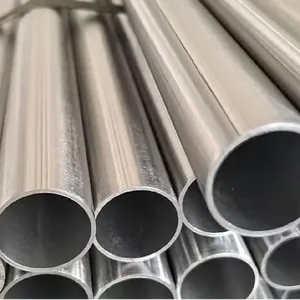
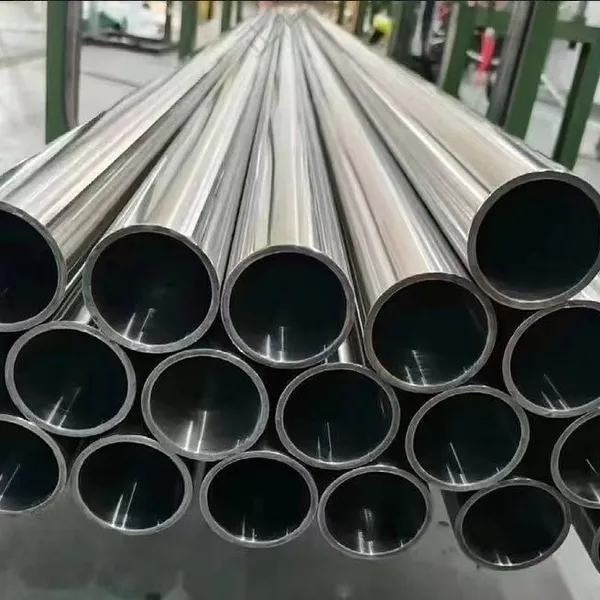
Hot Selling Stainless Steel Pipe Tube 201 304 304L 316L Stainless Steel Pipes photo-1
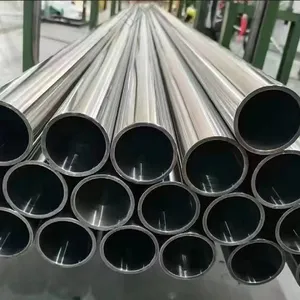
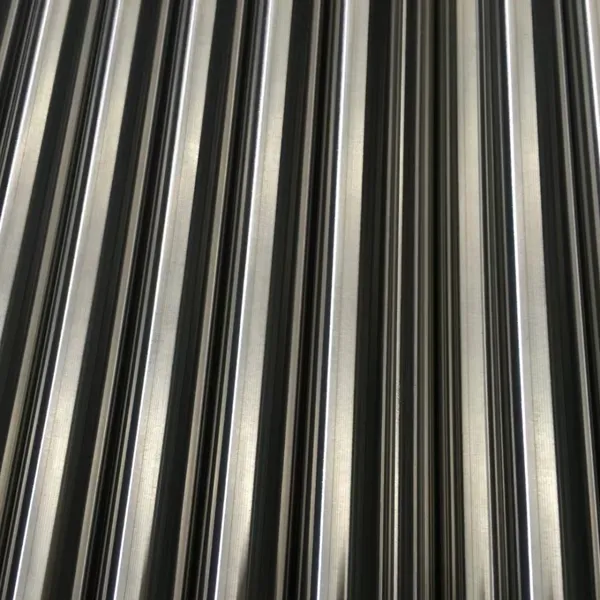
Hot Selling Stainless Steel Pipe Tube 201 304 304L 316L Stainless Steel Pipes photo-2
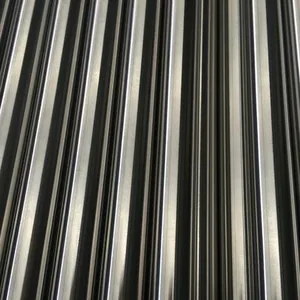
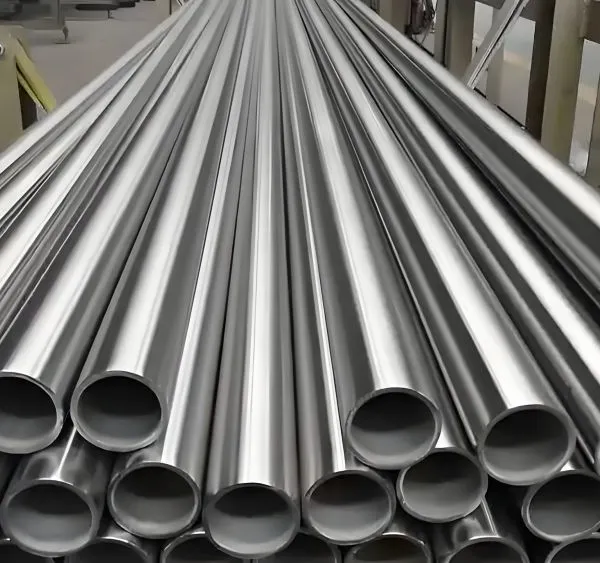
Hot Selling Stainless Steel Pipe Tube 201 304 304L 316L Stainless Steel Pipes photo-3
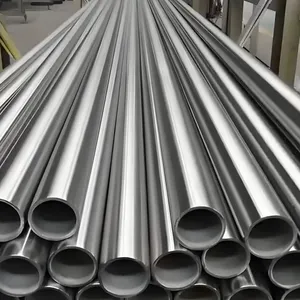
Hot Selling Stainless Steel Pipe Tube 201 304 304L 316L Stainless Steel Pipes photo-4
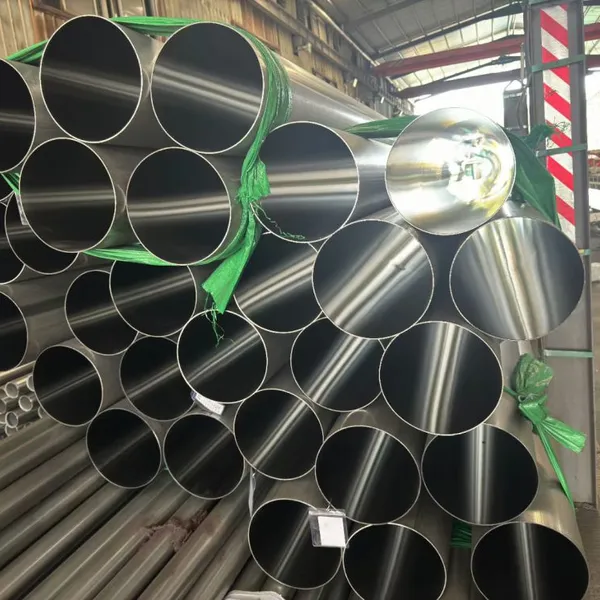
Hot Selling Stainless Steel Pipe Tube 201 304 304L 316L Stainless Steel Pipes photo-5
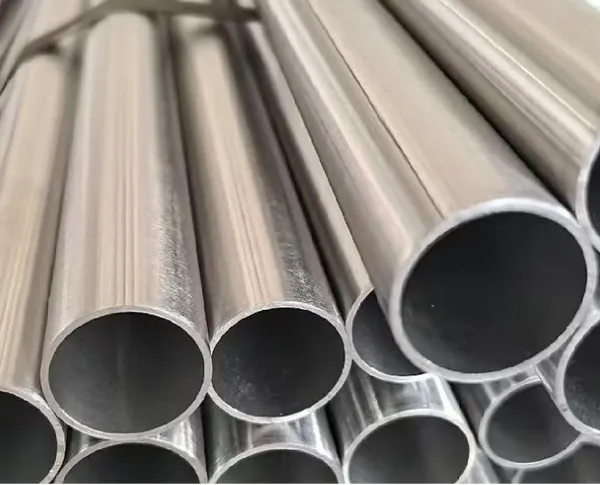
Negotiable MOQ: 1 Ton (Price negotiable depending on order volume and customization)
Key Specifications
Get Latest Price
Type:
Seamless
Technique:
Cold Rolled
Surface Treatment:
Other
Payment & Shipping
Payment Methods:
Port of Shipment:
China
Delivery Detail:
8 days
Type Seamless
Technique Cold Rolled
Surface Treatment Other
Material Stainless steel
Section Shape Round


Classification, Grades and Standards of Duplex Stainless Steels: Duplex stainless steels are classified as ferritic-austenitic stainless steels with approximately 50% ferrite and 50% austenite microstructure. Grades are defined by chemical compositions such as chromium (18-28%), nickel (3-10%), plus additions like molybdenum, nitrogen, and copper. Standards include ISO 4948-1 for classification, EN 10088-1 for listings, ASTM test methods for phase detection, and GB/T 13304.2 for quality-based categorization.


Super Duplex Stainless SteelsSuper Duplex Stainless Steels
‌Introduction to Duplex Stainless Steels

Duplex stainless steels (DSS) represent a distinct class of materials characterized by their biphasic microstructure, consisting of nearly equal proportions of ferrite and austenite phases.

Essentially, each phase typically occupies approximately 50% of the volume, with practical applications requiring a minimum of 30% for the minority phase‌.

This unique structure synergistically combines advantageous properties from both austenitic and ferritic stainless steels. Key attributes include superior strength, enhanced resistance to chloride-induced stress corrosion cracking (SCC), good weldability, and commendable toughness‌.

Chromium content generally ranges between 18-28%, nickel between 3-10%, with additions of molybdenum, nitrogen, copper, or tungsten in specific grades to tailor performance‌. Their physical and mechanical properties sit between those of austenitic and ferritic grades, albeit closer to ferritic steels and carbon steels‌.

Duplex Stainless SteelsDuplex Stainless Steels
Classification of Duplex Stainless Steels

Classification, Grades and Standards of Duplex Stainless Steels:

Based on alloy composition and corrosion resistance, quantified by the Pitting Resistance Equivalent Number (PREN = %Cr + 3.3×%Mo + 16×%N), DSS are systematically categorized into four primary groups:

  1. ‌Low-Alloy Type:‌

  • ‌PREN:‌ 24-25

  • ‌Characteristics:‌ Designed as cost-effective replacements for 304/316 austenitic steels, offering improved stress corrosion cracking resistance. Typically lacks molybdenum.

  • ‌Representative Grade:‌ UNS S32304 (23Cr-4Ni-0.1N).

  • ‌Medium-Alloy Type:‌

    • ‌PREN:‌ 32-33

    • ‌Characteristics:‌ The workhorse grade, offering a balanced combination of corrosion resistance, strength, weldability, and cost. Widely used in chemical processing, oil & gas, and marine applications.

    • ‌Representative Grade:‌ UNS S31803/S32205 (22Cr-5Ni-3Mo-0.15N).

  • ‌High-Alloy Type:‌

    • ‌PREN:‌ 38-39

    • ‌Characteristics:‌ Offers significantly enhanced corrosion resistance compared to medium-alloy types, suitable for more aggressive environments. Contains higher chromium (~25%) and additional elements like copper or tungsten.

    • ‌Representative Grade:‌ UNS S32550 (25Cr-6Ni-3Mo-2Cu-0.2N).

  • ‌Super Duplex Stainless Steel Type:‌

    • ‌PREN:‌ >40

    • ‌Characteristics:‌ Represents the pinnacle of DSS performance, rivaling super austenitic steels. Excels in extremely corrosive conditions, such as hot concentrated acids and seawater systems, while maintaining high strength.

    • ‌Representative Grade:‌ UNS S32750 (25Cr-7Ni-3.7Mo-0.3N).

    ‌Key Grades of Duplex Stainless Steels and International Standards of Duplex Stainless Steels

    Classification, Grades and Standards of Duplex Stainless Steels:

    DSS grades are codified under various international standards. Crucially, ASTM specifications govern their production and testing for different product forms:

    • ‌ASTM A790/A790M:‌ Standard Specification for Seamless and Welded Ferritic/Austenitic Stainless Steel Pipe.

    • ‌ASTM A789/A789M:‌ Standard Specification for Seamless and Welded Ferritic/Austenitic Stainless Steel Tubing for General Service.

    • ‌ASTM A928/A928M:‌ Standard Specification for Ferritic/Austenitic (Duplex) Stainless Steel Pipe Electric Fusion Welded with Addition of Filler Metal.

    Classification, Grades and Standards of Duplex Stainless Steels:

    The table below lists major DSS grades and their corresponding designations across prominent international standards systems:

    ‌Table 1: Major Duplex Stainless Steel Grades and International Standard Approximations‌

    Classification UNS Number Common Name ASTM Designation (F Series) DIN (W.Nr.) EN Standard
    ‌Medium-Alloy‌ S31803 / S32205 2205 F60 / F51 1.4462 1.4462 (X2CrNiMoN22-5-3)
    ‌Super Duplex‌ S32750 2507 F53 1.4410 1.4410 (X2CrNiMoN25-7-4)
    ‌Super Duplex‌ S32760 Zeron 100 F55 1.4501 1.4501 (X2CrNiMoCuWN25-7-4)
    ‌High-Alloy‌ S32900 329 F52 1.4460 1.4460 (X3CrNiMoN27-5-2)
    ‌High-Alloy‌ S32550

    1.4507 –
    ‌Medium-Alloy‌ S31500 3RE60 – 1.4417 –
    ‌High Moly‌ S31254 (6% Mo Austenitic) F44 – –
    *(Data consolidated from multiple sources, primarily reflecting common industry usage).


    Classification, Grades and Standards of Duplex Stainless Steels:

    Additionally, national material number approximations vary significantly. The table below provides a comparative overview:

    ‌Table 2: Approximate National Grade Equivalents for Duplex Stainless Steels‌

    Classification China USA (UNS) Sweden (SS/SAF) Germany (W.Nr.) France Japan
    ‌Low-Alloy‌ 00Cr23Ni4N S32304 (SAF 2304) 232 (SAF 2304) 1.4362 UR35N DP11
    ‌Medium-Alloy‌ 00Cr18Ni5Mo3Si2 S31500 2376 (3RE60) 1.4417 UR45N DP1

    00Cr22Ni5Mo3N S31803 (SAF 2205) 2377 (SAF 2205) 1.4462
    DP8
    ‌High-Alloy‌ 0Cr25Ni5Mo2 S32900 2324 (10RE51) 1.4460
    329J1, 329J2L

    00Cr25Ni7Mo3WCuN S31260
    1.4501

    ‌Super Duplex‌ 00Cr25Ni7Mo4N S32750 (SAF 2507) 2328 (SAF 2507) 1.4410 UR47N+

    00Cr25Ni6Mo3CuN S32550
    1.4507 UR52N+
    *(Adapted and summarized from manufacturing standards and technical literature).


    ‌Essential Properties and Performance of Duplex Stainless Steels

    Classification, Grades and Standards of Duplex Stainless Steels:

    The outstanding properties of DSS arise intrinsically from the ferritic-austenitic microstructure and specific alloying:

    1. ‌Mechanical Properties:‌ DSS exhibit significantly higher yield and tensile strength compared to standard austenitic grades (e.g., 304, 316), while maintaining good ductility and toughness. This high strength allows for weight savings in structural designs.

      ‌Table 3: Typical Room Temperature Mechanical Properties of Key DSS Grades‌

      Grade (UNS) Common Name ASTM Product Form Standard 0.2% Yield Strength (MPa) min Tensile Strength (MPa) min Elongation (%) min Typical Hardness (HB)
      ‌S32750‌ 2507 A790 / A789 550 800 15 310
      ‌S31803/S32205‌ 2205 A790 / A789 450 620 25 290
      ‌S31500‌ 3RE60 – 440 630 30 290
      *(Reflects minimum requirements per ASTM A790/A789 for pipe/tube and typical manufacturer data for sheet/plate and bar. S31500 values based on historical data).


    1. ‌Corrosion Resistance: Classification, Grades and Standards of Duplex Stainless Steels:‌

    • ‌Stress Corrosion Cracking (SCC):‌ All DSS grades exhibit markedly superior resistance to chloride-induced SCC compared to 300-series austenitic stainless steels67**.

    • ‌Pitting & Crevice Corrosion:‌ Resistance scales directly with PREN. Medium-alloy types (e.g., 2205) outperform 316L, while super duplex grades match or surpass 6% Mo super austenitics in aggressive chloride environments6**.

    • ‌General Corrosion:‌ Resistance in acidic and alkaline environments is generally good to excellent, depending on the specific grade and concentration/temperature.

  • ‌Physical Properties & Fabrication:‌
    Thermal expansion and thermal conductivity are closer to carbon steel or ferritic stainless steels than to austenitics. Magnetic response is present due to the ferrite phase. Fabrication processes (forming, welding, heat treatment) share similarities with austenitic stainless steels but require specific controls (e.g., maintaining balanced phase ratios, avoiding harmful phases like sigma or chi during welding or slow cooling) to preserve properties3**. Key fabrication guidelines include:

    • ‌Hot Working:‌ Should be performed above 950°C.

    • ‌Solution Annealing:‌ Typical range 1020-1120°C (specific to grade), followed by rapid quenching (usually water) to achieve the desired phase balance and dissolve secondary phases.

    • ‌Continuous Service Temperature:‌ Generally between -50°C and 280-300°C. Prolonged exposure above approximately 300°C can promote brittle phases.


    Hyper Duplex Stainless Steels 2Hyper Duplex Stainless Steels
    ‌Chemical Composition Ranges

    Classification, Grades and Standards of Duplex Stainless Steels:

    The performance characteristics stem directly from precise chemical compositions. Key elements include:

    • ‌Chromium (Cr):‌ Primary element for corrosion resistance (passive film formation). Ranges from ~21% in 2205 to ~25% in super duplex grades.

    • ‌Nickel (Ni):‌ Stabilizes austenite. Ranges from ~4.5-6.5% in 2205 to ~6-8% in super duplex.

    • ‌Molybdenum (Mo):‌ Enhances resistance to pitting and crevice corrosion. Increases from ~3% in 2205 to ~3.7-4%+ in super duplex.

    • ‌Nitrogen (N):‌ Critical austenite stabilizer and potent strengthener; significantly boosts pitting resistance (PREN). Content rises from ~0.15% in 2205 to ~0.25-0.32% in super duplex.

    • ‌Manganese (Mn), Silicon (Si), Carbon (C):‌ Typically kept low (C ≤ 0.03%) to avoid detrimental carbide formation and maintain toughness/weldability.

    ‌Classification, Grades and Standards of Duplex Stainless Steels:

    Table 4: Typical Chemical Composition Ranges (wt %) for Key DSS Grades‌

    Grade (UNS) Common Name C max Mn max Si max P max S max Cr Ni Mo N Other
    ‌S32750‌ 2507 0.03 1.20 0.80 0.035 0.020 24.0-26.0 6.0-8.0 3.0-5.0 0.24-0.32 Cu≤0.50
    ‌S31803‌ 2205 0.03 2.00 1.00 0.030 0.020 21.0-23.0 4.50-6.50 2.50-3.50 0.08-0.20 –
    ‌S32205‌ 2205 0.03 2.00 1.00 0.030 0.020 21.0-23.0 4.50-6.50 2.50-3.50 0.14-0.20 –
    ‌S31500‌ 3RE60 0.03 1.2-2.0 1.4-2.0 0.030 0.030 18.0-19.0 4.25-5.25 2.50-3.00 0.05-0.10 –
    *(Compositional data reflects common specifications like ASTM A240 for plate/sheet and A276 for bar).


    ‌Applications and Future Trends of Duplex Stainless Steels

    Classification, Grades and Standards of Duplex Stainless Steels:

    The compelling combination of strength, corrosion resistance, and cost-effectiveness drives DSS adoption across demanding sectors:

    • ‌Oil & Gas:‌ Downhole tubing, flowlines, pipelines, manifolds, separators (handling chloride-containing fluids, CO₂, H₂S).

    • ‌Chemical & Petrochemical:‌ Pressure vessels, heat exchangers, reactors, columns, piping (acids, solvents, chlorides).

    • ‌Pulp & Paper Industry:‌ Digesters, bleach plants (resisting corrosive pulping chemicals and chlorides).

    • ‌Marine & Offshore:‌ Seawater piping systems, heat exchangers, ballast tanks, structural components.

    • ‌Desalination:‌ High-pressure RO tubes, heat rejection sections, evaporator shells.

    • ‌Pollution Control:‌ Flue Gas Desulfurization (FGD) systems.

    Classification, Grades and Standards of Duplex Stainless Steels: Ongoing development focuses on:

    • ‌Lean Duplex Grades:‌ Further cost reduction while maintaining adequate performance for less severe environments (e.g., S32101, S32304, S82011).

    • ‌Enhanced Super Duplex:‌ Optimizing composition and processing for even higher corrosion resistance and strength in extreme conditions.

    • ‌Improved Fabricability:‌ Refining welding procedures and filler metals to simplify fabrication and ensure consistent as-fabricated properties, especially toughness in the heat-affected zone (HAZ).

    ‌Conclusion

    Classification, Grades and Standards of Duplex Stainless Steels: Duplex stainless steels, with their unique ferritic-austenitic microstructure, offer an indispensable solution bridging the gap between austenitic and ferritic stainless steels. Classification into Low-Alloy, Medium-Alloy, High-Alloy, and Super Duplex types provides a clear framework based on PREN and alloy content, guiding material selection for specific corrosion environments and mechanical requirements. Standardized grades under systems like UNS, ASTM (including crucial specifications like A790, A789, A928), DIN, and EN ensure global consistency and quality control.

    Their exceptional strength, superior resistance to chloride stress corrosion cracking and localized corrosion, combined with good fabricability, make them vital materials for critical applications in energy, chemical processing, marine, and environmental technology. Understanding the classification, grades, standards, and intrinsic properties is fundamental for engineers and designers seeking optimal performance and cost-efficiency in corrosive service.

    5ec7087344df9eeeb62ed22fcc3d6a13.png


    Product Tags: Stainless steel pipe , made in China , ASTM A790 General purpose ferritic/austenitic stainless steel seamless and welded steel pipes

    Send Inquiry to This Supplier

    * Message
    0/5000

    Want the best price? Post an RFQ now!
    Gold Verified Supplier
    2Yrs
    Verified Business License
    Business Type
    Manufacturer
    Year Established
    2022
    Product Certifications
    ISO9001, Others
    Port of Shipment
    Shanghai