Home > Electrical & Electronics > Electrical Control System > NI PXI-6608 185745H-02 Timing and Synchronization Module

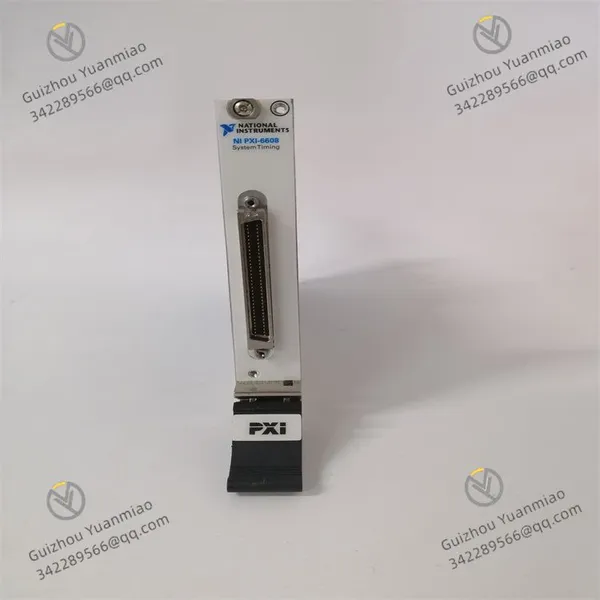
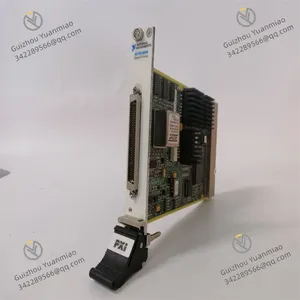
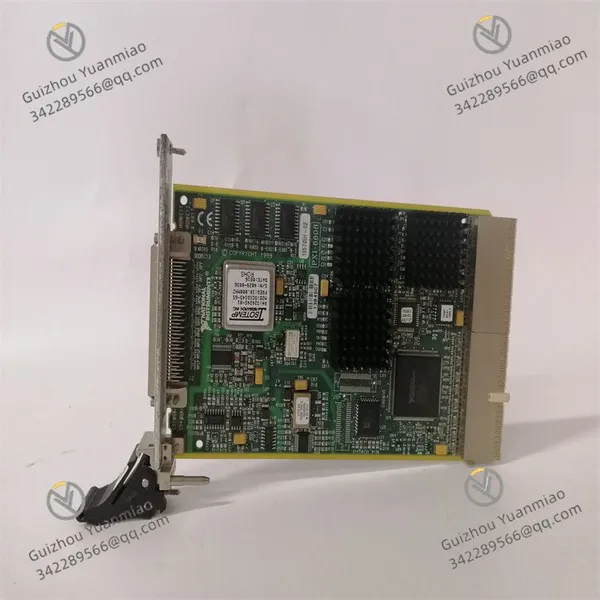
NI PXI-6608 185745H-02 Timing and Synchronization Module
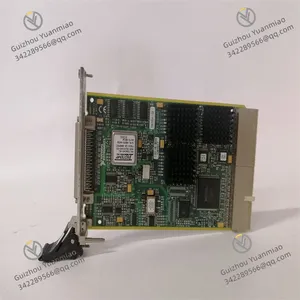
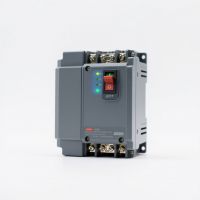
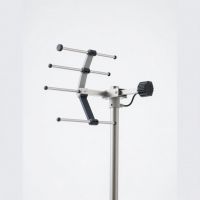
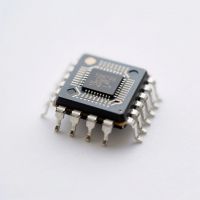
NI PXI-6608 185745H-02 Timing and Synchronization Module photo-1
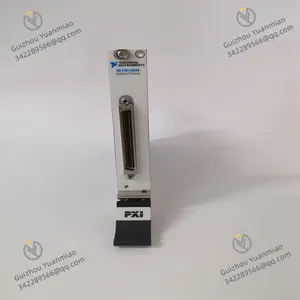
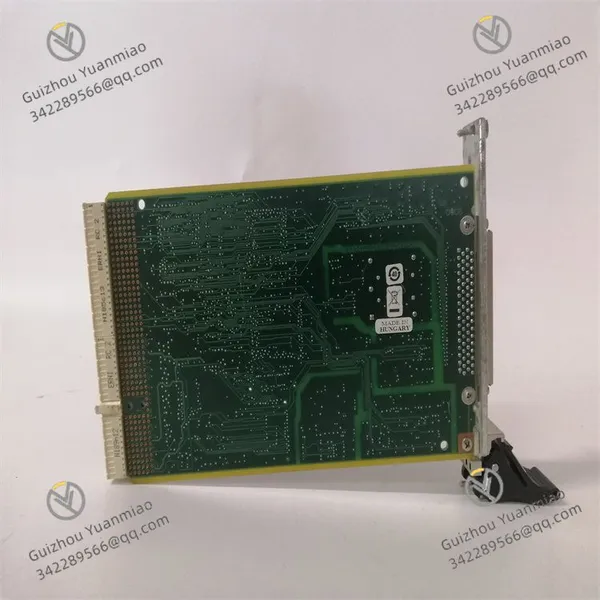
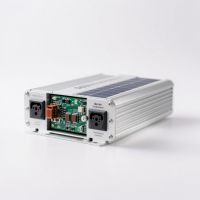
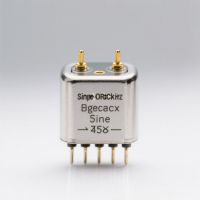
NI PXI-6608 185745H-02 Timing and Synchronization Module photo-2
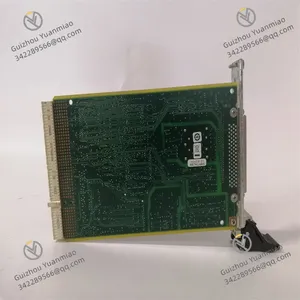
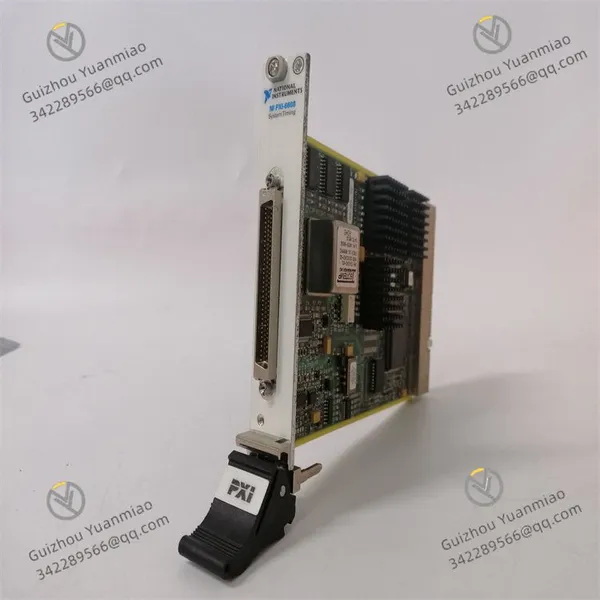
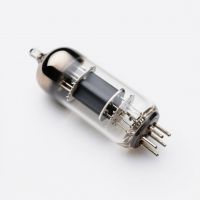
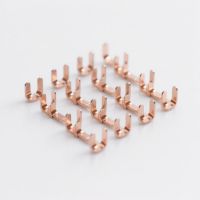
NI PXI-6608 185745H-02 Timing and Synchronization Module photo-3
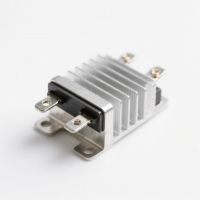
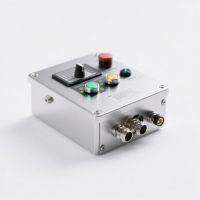
NI PXI-6608 185745H-02 Timing and Synchronization Module photo-4
Negotiable MOQ: 1 Piece (Price negotiable depending on order volume and customization)
Key Specifications
Get Latest Price
Material:
Other, Global universal model
Condition:
Other, Global universal model
Task:
Other, Global universal model

Payment & Shipping
Payment Methods:
Port of Shipment:
China
Delivery Detail:
Delivery time depends on order quantity.
Material Other, Global universal model
Condition Other, Global universal model
Task Other, Global universal model
Mathematical Model Other, Global universal model
Signal Other, Global universal model
Customized Non-Customized
Structure Other, Global universal model
Temperature 0℃–55℃
Humidity 5%–95% (non-condensing)
NI PXI-6608I. Product Positioning and Core Functions
The NI PXI-6608 is a high-performance timing and synchronization module based on the PXI bus, specifically designed for multi-device synchronization, high-precision clock generation, and complex timing control. It is widely used in scenarios such as aerospace testing, automated production lines, and multi-channel data acquisition systems. Its core features include:


  • High-Precision Clock Generation: Built-in oven-controlled crystal oscillator (OCXO) provides a stable system clock with frequency stability up to ±1 ppm, supporting clock synchronization across multiple modules.

  • Multi-Device Synchronization Mechanism: Achieves nanosecond-level synchronization for multiple modules via the PXI trigger bus, external trigger signals, and dedicated synchronization interfaces, suitable for distributed testing systems.

  • Flexible Timing Functions: Supports programmable timers, counters, and event triggering to meet timing control requirements for high-speed data acquisition, pulse width modulation (PWM), and more.

PXI-6608 185745H-02 (4)

II. Hardware Specifications and Technical Parameters
Parameter Category Specific Indicators
Clock Source - Built-in OCXO oscillator with frequency stability of ±1 ppm (0℃–55℃)
- Supports external clock input (10 MHz reference clock)
Timing and Triggering - 8 x 32-bit timers/counters, supporting frequency measurement, event counting, and PWM output
- Supports edge triggering, count triggering, and PXI bus triggering
Synchronization Interfaces - PXI system clock (100 MHz), trigger bus (TRG0–TRG7)
- Dedicated synchronization lines (SYNC IN/OUT), star trigger lines (STAR Trigger)
Electrical Characteristics - Clock output amplitude: 3.3V TTL/CMOS
- Trigger input threshold: 0.8V (low)/2.0V (high)
- Maximum output drive current: 48 mA
Operating Environment - Temperature: 0℃–55℃
- Humidity: 5%–95% (non-condensing)
- Vibration resistance: Meets industrial standards (5–500 Hz, 2 g acceleration)
Bus Compatibility - PXI 2.2 standard, supports 32-bit/33 MHz PCI bus with maximum data transfer rate of 132 MB/s

PXI-6608 185745H-02 (3)

III. Typical Application Scenarios1. Multi-Device Synchronized Testing Systems
  • Scenario: In aero-engine testing, synchronously control multi-channel data acquisition cards (e.g., NI PXI-5105 oscilloscope), signal generators (e.g., NI PXI-5441), and sensor interface modules to ensure consistent sampling clocks and avoid data errors caused by timing deviations.

  • Implementation: The NI PXI-6608 provides the system clock (100 MHz), connected to each module via star trigger lines to achieve nanosecond-level synchronization accuracy.

2. High-Precision Timing Control
  • Scenario: Laser pulse control in semiconductor manufacturing equipment requires precise timing between laser triggering and workpiece stage movement.
  • Implementation: Use the module's timer to generate PWM signals, adjust pulse width (with nanosecond-level resolution), and synchronize mechanical actions via external triggers.

3. Distributed Data Acquisition Networks
  • Scenario: Large-scale structural health monitoring systems need to synchronously collect vibration, strain, and other signals at different locations.

  • Implementation: Use the NI PXI-6608 as the master clock source, connecting remote chassis via long-distance synchronization lines (e.g., fiber optics) to eliminate cumulative errors from clock drift.

PXI-6608 185745H-02 (1)

IV. Software Support and Programming InterfacesDrivers and Development Tools
  • NI-DAQmx Driver: Compatible with platforms like LabVIEW, Python, C++, and MATLAB, providing low-level APIs for clock configuration, trigger setup, and timer programming.

  • NI MAX: Hardware configuration tool supporting clock calibration, trigger routing setup, and system self-test, enabling intuitive management of multi-module synchronization topologies.

  • Synchronization Manager: Dedicated software tool for configuring multi-module synchronization links and generating timing diagrams to verify synchronization accuracy.

LabVIEW Programming Example (Pseudocode)
plaintext
// Configure system clock synchronization (master module mode) [Create synchronization task] → Set OCXO as the clock source, output 100 MHz clock to the PXI bus   → Configure star trigger line (STAR Trigger) as the synchronization signal, connect to slave modules   → Enable trigger delay compensation to calibrate clock phase differences between modules (

PXI-6608 185745H-02 (2)

V. System Integration and Expansion SolutionsHardware Matching Recommendations
  • Clock Reference Expansion: Pair with the NI PXI-6652 atomic clock module to further enhance clock stability (±0.001 ppm), suitable for long-duration high-precision testing scenarios.

  • Long-Distance Synchronization: Use the NI PXI-6624 fiber optic synchronization module to extend synchronization signal transmission to kilometer levels, supporting distributed testing networks.

  • Anti-Interference Design: Use shielded cables for trigger lines and split ground planes (separate analog and digital grounds) to reduce electromagnetic interference (EMI) affecting clock accuracy.

Synchronization Accuracy Optimization
  • Phase Calibration: Use clock phase adjustment functions provided by NI-DAQmx to manually compensate for clock delays between modules, ensuring synchronization errors

  • Redundant Clock Design: Configure dual clock sources (e.g., OCXO + external clock) with hot-swapping support to avoid system desynchronization due to single clock source failures.

VI. Comparison with Similar Products
Model NI PXI-6608 NI PXI-6652 NI PXI-6612
Clock Stability ±1 ppm (OCXO) ±0.001 ppm (rubidium atomic clock) ±25 ppm (TCXO)
Number of Timers 8 x 32-bit 8 x 32-bit 4 x 32-bit
Synchronization Interfaces PXI trigger bus, star trigger Supports GPS clock synchronization, fiber optic interfaces PXI trigger bus (basic model)
Core Advantages High-precision industrial timing Ultra-high stability (suitable for aerospace/radar scenarios) Low-cost multi-channel timing (for education/experiments)
Application Scenarios Industrial automation, multi-device testing Aerospace, astronomical observation Basic logic control, teaching experiments
Product Tags: PXI-6608 , 185745H-02

Send Inquiry to This Supplier

* Message
0/5000

Want the best price? Post an RFQ now!
Verified Business License
Business Type
Trading Company
Year Established
2014
Factory Size
1,000-3,000 square meters
Product Certifications
SA8000