Home > Electrical & Electronics > Electrical Control System > GE UR8NH Digital I/O Module

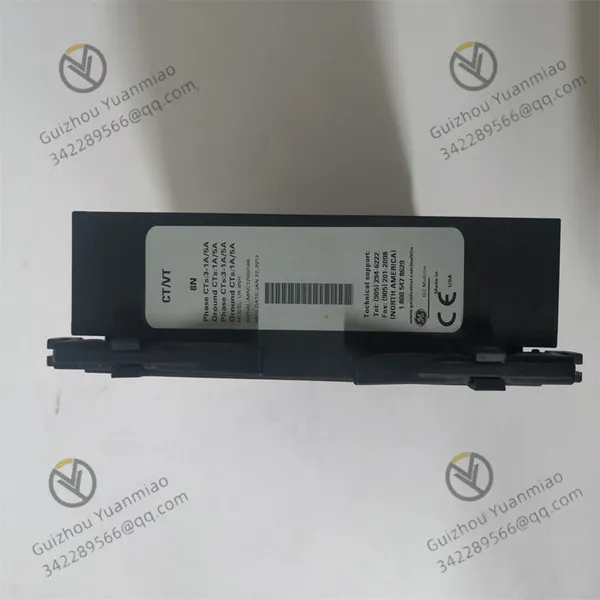
GE UR8NH Digital I/O Module

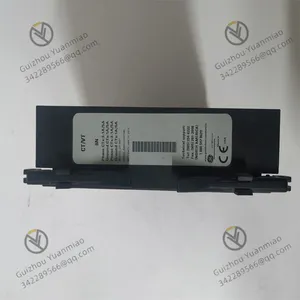
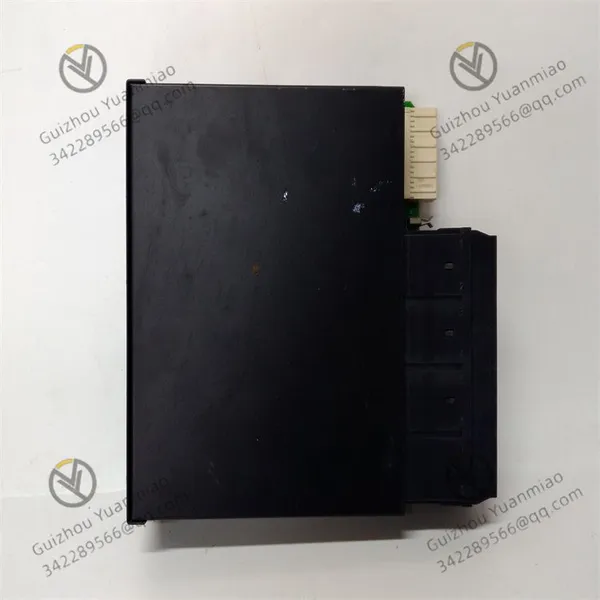
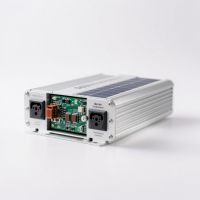
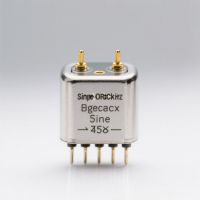
GE UR8NH Digital I/O Module photo-1
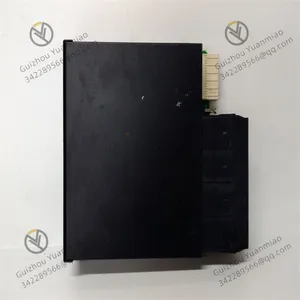
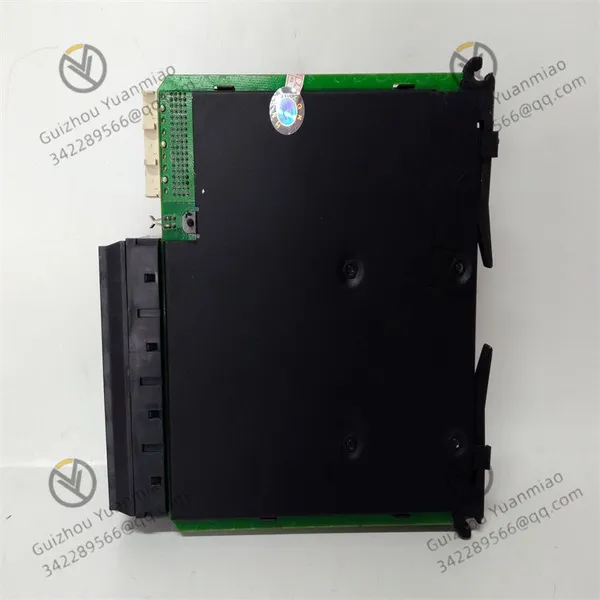
GE UR8NH Digital I/O Module photo-2
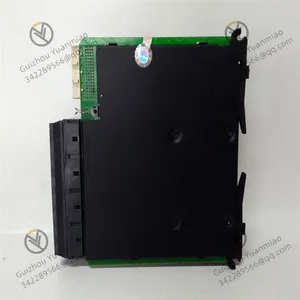
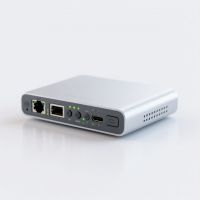
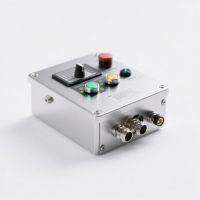
GE UR8NH Digital I/O Module photo-3
Negotiable MOQ: 1 Piece (Price negotiable depending on order volume and customization)
Key Specifications
Get Latest Price
Material:
Other
Certification:
Other
Function:
Other
Payment & Shipping
Payment Methods:
Port of Shipment:
China
Delivery Detail:
Delivery time depends on order quantity.
Material Other
Certification Other
Function Other
Condition Other
Task Other
Mathematical Model Other
Signal Other
Customized Other
Structure Other

GE  UR8NH  digital I/O module

UR8NH (4)


The working principle of the UR8NH module, a digital I/O module under GE Multilin, needs to be analyzed from dimensions such as signal interaction, communication protocols, and data processing by combining hardware architecture and software logic. The specific description is as follows:


I. Hardware Architecture and Signal Processing Principles1. Working Logic of Digital Input Channels (DI)

  • Signal Acquisition: Receives digital signals (typically switch quantities, such as 0/1 levels) from external devices (e.g., switches, sensors) through input terminals.

  • Electrical Isolation: Adopts optoelectronic isolation or relay isolation technology internally to prevent external electromagnetic interference from affecting the internal circuit of the module and protect equipment safety.

  • Level Conversion: Converts input physical signals (e.g., DC 24V) into logic levels (e.g., TTL levels) recognizable by the module and transmits them to the internal processor.

2. Working Logic of Digital Output Channels (DO)

  • Signal Processing: The internal processor generates logic level signals (e.g., TTL levels) according to control instructions.

  • Power Drive: Amplifies logic signals through components such as transistors and relays (e.g., Form-A outputs) to drive external loads (e.g., solenoid valves, indicator lights, contactors).

  • Protection Mechanism: The output end is usually equipped with overcurrent and overvoltage protection circuits to prevent module damage caused by load faults.


II. Principles of Communication Protocols and Data Interaction1. Communication Interfaces and Protocol Support

  • Protocol Adaptation: Supports industrial communication protocols such as PROFINET and Modbus TCP/IP, and realizes protocol analysis and data encapsulation through dedicated communication chips or interface circuits.

  • Data Transmission: Taking Modbus TCP as an example, the module acts as a slave to receive read/write instructions from the master (e.g., PLC, SCADA system), and transmits data through the Ethernet interface to achieve remote monitoring and control.

2. Multitask Communication Processing

  • Task Scheduling: Each communication port supports up to 64 communication tasks. Through the internal real-time operating system (RTOS) or task scheduling algorithm, different communication requests are processed by priority to ensure the real-time of data interaction.


III. Principles of Data Processing and Logic Control1. Internal Processor and Storage

  • Data Processing: The module is equipped with a built-in microprocessor (e.g., MCU), which samples, filters, and performs logical operations (e.g., AND/OR/NOT gate operations) on input signals, and generates output instructions according to preset programs (e.g., control logic programmed by users).

  • Storage Function: Equipped with a 16MB data storage capacity, it is used to save configuration parameters, historical data (such as event records), and user programs, and supports power-off data retention.

2. Programmable Logic Configuration

  • User-Defined Logic: Configure input/output mapping relationships and logical operation rules (e.g., conditional triggering, timing control) through programming software (such as GE Multilin supporting tools) to meet personalized control requirements.

  • UR8FV (2)

IV. Principles of Expansion and Integration1. Modular Expansion Mechanism

  • Expansion Frame Support: Connects up to 32 expansion frames through a bus interface (such as an internal expansion bus) to achieve expansion of I/O channel quantities and meet the multi-node control requirements of complex systems.

2. Integration with External Systems

  • Signal Conversion and Mapping: Associates digital I/O signals with power system parameters (such as current and voltage), and converts electrical quantities into digital signals for monitoring through a built-in analog transformer model (supporting 1A/5A rated current).


V. Example of Typical Working Process

Taking the control of a circuit breaker in a power system as an example:


  1. Input Signal Acquisition: The module's DI channel receives the opening/closing position signals of the circuit breaker (such as the status of auxiliary contacts), which are transmitted to the processor after isolation and conversion.

  2. Data Processing and Communication: The processor sends status data to the monitoring system via Modbus TCP, while receiving control instructions issued by the system.

  3. Output Control Execution: According to the instructions, the DO channel drives the circuit breaker operating mechanism through relay output, and simultaneously triggers the output automatically through protection logic (such as overcurrent tripping) to achieve rapid fault isolation.

  4. Real-Time Monitoring and Feedback: The module continuously monitors the output status. If an abnormal circuit breaker action (such as incomplete closing) is detected, it reports fault information through the communication interface and records the event sequence.


UR8FV (3)

VI. Summary of Key Technical Features

Technical Dimension Core Points of Working Principles
Electrical Isolation Realizes electrical separation of internal and external circuits through optoelectronic/relay isolation, with strong anti-interference capability, suitable for harsh industrial environments.
Communication Protocol Processing Equipped with built-in protocol stack chips, supporting multi-protocol adaptation and multitask scheduling to ensure the real-time  and reliability of data transmission.
Programmable Logic Users configure input/output logic through software to flexibly adapt to different control scenarios (such as timing control and conditional triggering).
Protection and Diagnosis Integrates overcurrent/overvoltage protection circuits, real-time monitors module status through enhanced diagnosis functions, and supports hot-swappable maintenance.


Through the above principles, the UR8NH module realizes the acquisition, processing, transmission, and control of digital signals in industrial fields, becoming a key hub connecting sensors, actuators, and upper-layer control systems, and is widely used in real-time monitoring and logic control scenarios in power, automation, building, and other fields.


Product Tags: UR8NH

Send Inquiry to This Supplier

* Message
0/5000

Want the best price? Post an RFQ now!
Verified Business License
Business Type
Trading Company
Year Established
2014
Factory Size
1,000-3,000 square meters
Product Certifications
SA8000