


 Contact Platform Support
 Help Center
Fluorocarbon ETFE Powder Coating With High-Performance Acid and Solvent Resistant
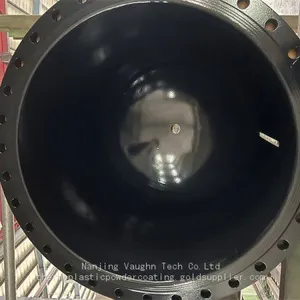
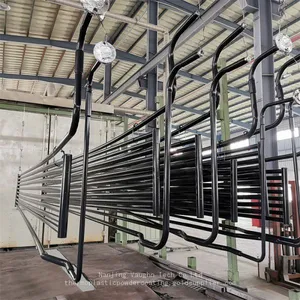
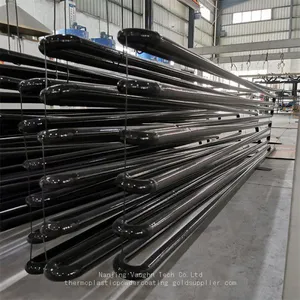
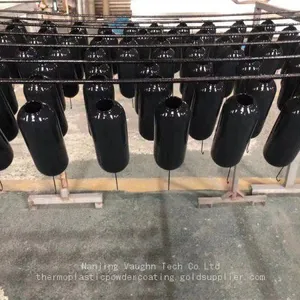
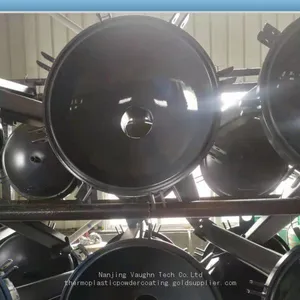
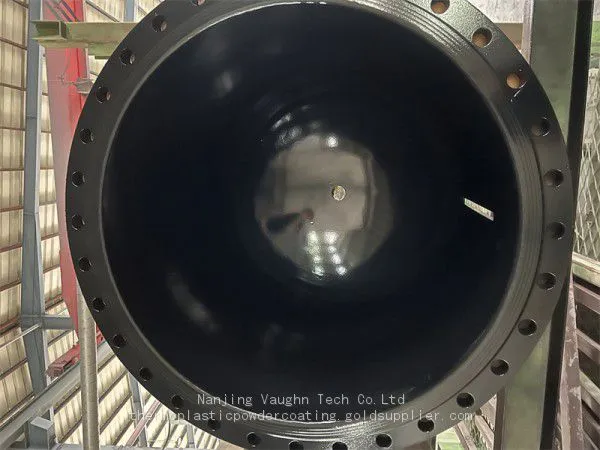
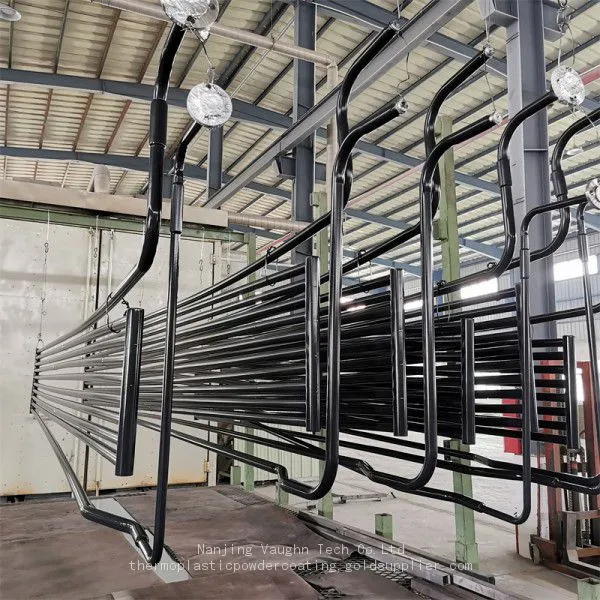
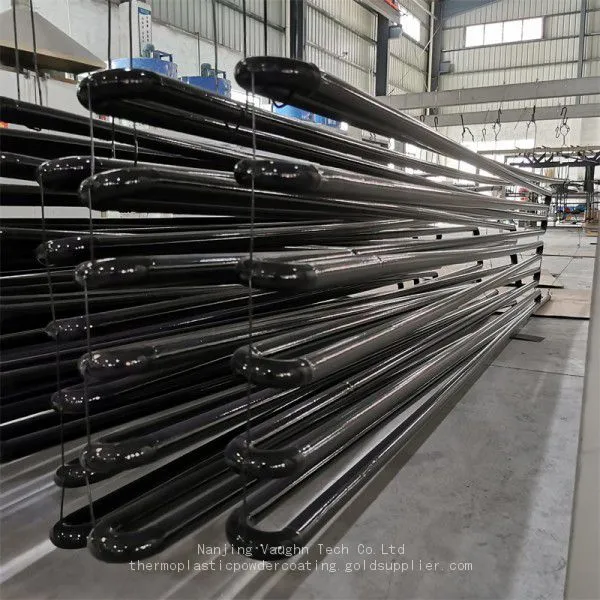








Related Products
-
 ETFE Fluorocarbon Powder Coating for Electroplating Hangers Jigs Racks, Anti High Temperature 200C ,dip Coating and SprayUS$ 10 - 50MOQ: 100 Kilograms
 -
High Temperature Resistant ETFE Fluorocarbon Powder Coating – Heavy Anticorrosion & Acid-Alkali Resistant for Industrial EquipmentUS$ 2 - 5MOQ: 1000 Kilograms
-
High Hardness & Electrical Insulation ETFE Fluorocarbon Powder Coating – Ideal for Electronics & Mechanical PartsUS$ 2 - 5MOQ: 1000 Kilograms
-
ROHS Certified ETFE Fluorocarbon Powder Coating – Long-Lasting Wear Resistance & Environmental ProtectionUS$ 2 - 5MOQ: 1000 Kilograms
-
Electrostatic Spray ETFE Fluorocarbon Powder Coating – Multifunctional Protection for Steel SubstratesUS$ 2 - 5MOQ: 1000 Kilograms
Chemical Resistance Performance of Acid and Alkali Resistant Fluorocarbon Powder Coating
A core strength of Acid and Alkali Resistant Fluorocarbon Powder Coating lies in its impressive tolerance to a wide range of chemical substances. The table below details its maximum usable temperatures when exposed to common chemicals, providing clear guidance for application scenarios:
Chemical Substance |
Concentration |
Maximum Usable Temperature (℃) |
Trichloroethylene |
100% |
140 |
Gasoline |
- |
140 |
Alcohol |
- |
95 |
Acetic Acid |
- |
110 |
Sodium Hydroxide |
40% |
100 |
Hydrochloric Acid |
36.5% |
140 |
Hydrofluoric Acid |
- |
120 |
Nitric Acid |
65% |
80 |
Sulfuric Acid |
95% |
95 |
Sulfuric Acid |
60% |
120 |
Note: For resistance to other chemicals, please refer to actual test results or consult our company for personalized support.
This level of chemical resistance ensures that Acid and Alkali Resistant Fluorocarbon Powder Coating remains stable and intact even when in contact with strong corrosives like 36.5% hydrochloric acid and 40% sodium hydroxide, making it indispensable for chemical, petrochemical, and pharmaceutical industries.
3. Product Performance Parameters of Acid and Alkali Resistant Fluorocarbon Powder Coating
Beyond chemical resistance, Acid and Alkali Resistant Fluorocarbon Powder Coating exhibits excellent physical and thermal properties, as verified by standardized testing methods. The following table outlines its key performance indicators:
Item |
Test Method |
Unit |
Typical Value |
Color |
- |
- |
Gray |
Density |
ASTM D792 |
g/cm³ |
1.76 |
Melting Point |
ASTM D3418 |
℃ |
200 |
Maximum Service Temp |
- |
℃ |
|
Thermal Decomposition Temp |
TGA, 1%wt.Loss, Air |
℃ |
>380 |
Hardness |
ASTM D2240 |
SHORE D |
75 |
Abrasion Resistance |
CS-17, 1000g |
mg/1000 cycles |
5~9 |
Moisture Content |
Karl Fischer |
% |
≤ 0.1 |
These parameters highlight the coating’s well-rounded performance: its high thermal decomposition temperature (>380℃) ensures safety under extreme heat, while a Shore D hardness of 75 and low abrasion loss (5-9 mg/1000 cycles) guarantee long-term durability against physical wear. The low moisture content (≤0.1%) also prevents agglomeration, maintaining powder quality during storage and application.
4. Application Methods of Acid and Alkali Resistant Fluorocarbon Powder Coating
To maximize the performance of Acid and Alkali Resistant Fluorocarbon Powder Coating, proper application is essential. The recommended process is as follows:
1. Preferred Application Method: This product is primarily designed for fluidized bed dipping. For electrostatic spraying requirements, please contact our company to customize the powder formula.
2. Substrate Preparation: Before coating, thoroughly remove oil and rust from the substrate surface to ensure strong adhesion between the coating and the substrate.
3. Substrate Preheating: Preheat the substrate in an oven until the entire component reaches a uniform temperature of over 250℃. The exact preheating temperature depends on the substrate’s heat capacity, size, and shape—smaller and thinner parts require higher temperatures due to faster heat dissipation.
4. Powder Coating: Immediately remove the preheated component from the oven and apply the powder coating (via fluidized bed dipping or customized electrostatic spraying).
5. Curing and Finishing: After coating, return the component to the oven for baking until the surface levels out. For thicker coatings, repeat the dipping process; otherwise, cool the component to form a solid, uniform film.
5. Packaging and Storage of Acid and Alkali Resistant Fluorocarbon Powder Coating
Proper packaging and storage are critical to preserving the quality of Acid and Alkali Resistant Fluorocarbon Powder Coating:
• Packaging: The product is packaged in 25KG barrels, ensuring convenient handling and preventing contamination during transportation.
• Storage Conditions: Store the barrels in a cool, well-ventilated area. Avoid exposure to direct sunlight, high temperatures (exceeding the coating’s maximum service temp), and water immersion. Improper storage may lead to powder agglomeration or degradation, compromising its application effect and performance.
By adhering to these guidelines, users can ensure that the coating retains its full functionality, delivering reliable acid, alkali, and solvent resistance for industrial applications.

Send Inquiry to This Supplier


You May Also Like
-
ETFE Fluorocarbon Powder Coating for Chemical Resistance up to 150°CUS$ 2 - 5MOQ: 1000 Kilograms
-
ETFE Fluorocarbon Powder for Electrical Insulation With 10^16 Ohm·cm ResistivityUS$ 2 - 5MOQ: 1000 Kilograms
-
ETFE Fluoropolymer Coating With 100% Adhesion Strength for Metal SubstratesUS$ 2 - 5MOQ: 1000 Kilograms
-
ETFE Powder Coating for Solar Panel Frames With Extreme Weather DurabilityUS$ 2 - 5MOQ: 1000 Kilograms
-
ETFE Powder Coating for Architectural Aluminum With 5000+ Hours Salt Spray ResistanceUS$ 2 - 5MOQ: 1000 Kilograms
-
ETFE Coating for Chemical Storage Tanks With Acid/Alkali ResistanceUS$ 2 - 5MOQ: 1000 Kilograms
-
ETFE Coating for Industrial Pipes With 0.5mm Thickness and Corrosion ProtectionUS$ 2 - 5MOQ: 1000 Kilograms
-
ETFE Powder Coating With 20+ Years UV Protection for Outdoor UseUS$ 2 - 5MOQ: 1000 Kilograms
-
ETFE Fluorocarbon Powder Coating for High Temperature Corrosion ProtectionUS$ 2 - 5MOQ: 1000 Kilograms
-
ETFE Fluorocarbon Coating for Food Processing Equipment With FDA-Compliant FormulationUS$ 2 - 5MOQ: 1000 Kilograms

