Contact Platform Support
 Help Center
Steel Locker for Factory – Heavy Gauge, Ventilated, Rust-Free | Anti-Pick Lock | Shift-Ready
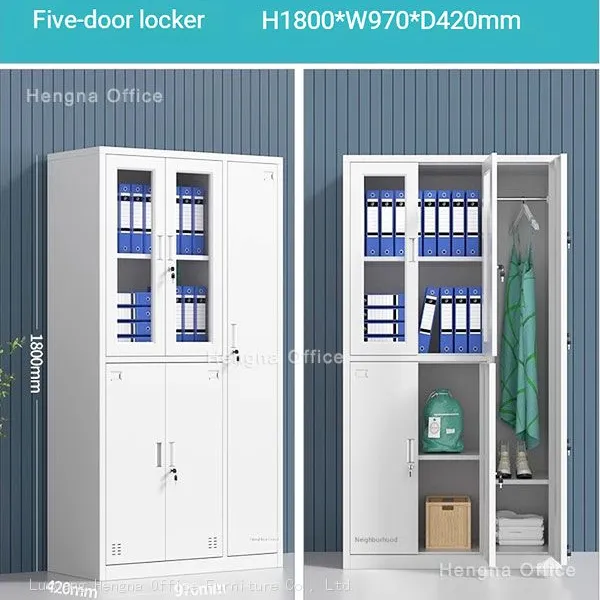
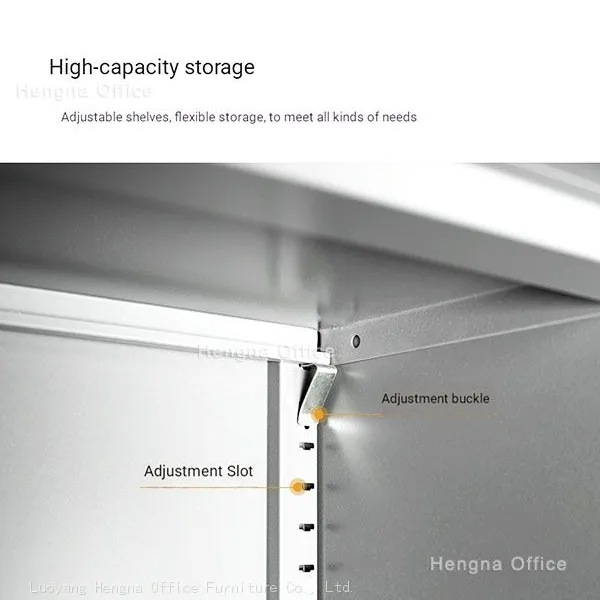
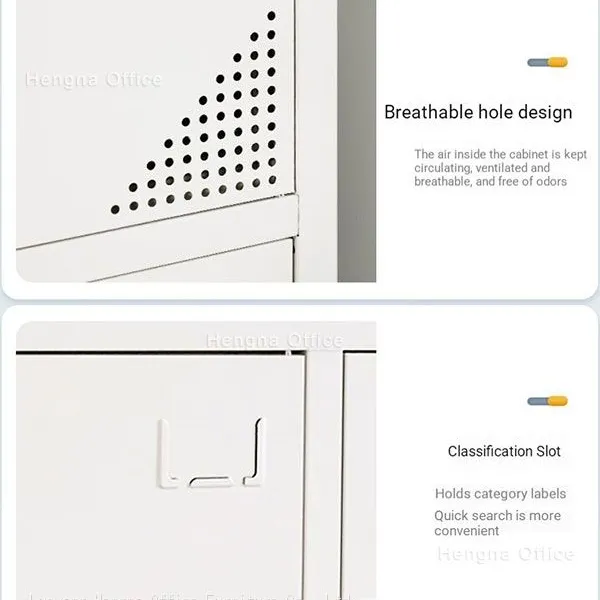
Product Spotlights




Related Products
-
 Professional 5 Door Metal Storage Cabinet With Glass Doors: Premium Lockable Steel Filing Cupboard for Office Libraries, Law FirmsUS$ 40 - 80MOQ: 5 Combos
 -
Industrial Steel Wardrobe Storage Locker: The Heavy-Duty Metal Garage Organizer With Adjustable Shelves for Home Workshops, Basements, and MudroomsUS$ 40 - 80MOQ: 5 Combos
-
High-Density 8 Compartment Steel Locker: The Professional Multi-Door Storage Solution for Warehouses, Factories, and SchoolsUS$ 40 - 80MOQ: 5 Combos
-
Hygienic 3 Door Metal Locker Cabinet: Moisture-Resistant Powder Coated Steel Wardrobe for Hospitals, Labs, and PharmaciesUS$ 40 - 80MOQ: 5 Combos
-
Multi-Door Steel Wardrobe Locker for Employee and Staff Storage – Durable and SecureUS$ 55 - 155MOQ: 2 Combos
The locker that walked off the factory floor
A steel mill in Vietnam had a problem. The workers’ lockers — twelve of them, lined up against the wall of the changing room — were falling apart. Not slowly, not over years. Within eight months, the doors were dented from workers kicking them open with steel-toed boots. The hinges were loose from being yanked instead of pulled. One locker had a hole punched through the door panel by a worker who lost his key and decided to solve the problem with his fist.
The facility manager replaced all twelve lockers with what he called “the heavy-duty ones from the catalog.” Those lasted four months. The doors warped in the humid monsoon season. The locks jammed in the heat — he gave up on the original locks and bought padlock hasps from the hardware store, drilling holes in the doors to mount them.
The third time, he ordered these lockers. That was three years ago. The doors still close flush. The locks still turn smoothly. The steel panels show scratches and scuffs from daily use, but no dents, no warping, no rust. The workers still kick them open — and the lockers take it.
The difference is not in the name on the spec sheet. It is in the steel.
Five problems that kill factory lockers
A factory changing room is the hardest environment a steel locker will ever face. It is not a school hallway or an office corridor. It is a room where steel-toed boots kick doors, oil-stained hands grab handles, wet work clothes drip on metal, and the air itself carries moisture and chemical particles that eat through ordinary coatings.
Most lockers fail in the same five places:
The door panel — thin steel dents when a worker kicks it. The thinner the gauge, the faster the dent. A locker that looks solid in a showroom looks like a football after six months of shift changes.
The lock mechanism — cheap cam locks jam when dust gets inside. Workers who cannot open their locker in a hurry resort to force. Force breaks the lock. A broken lock means a locker that cannot be secured, which means a locker that nobody trusts.
The hinges — standard hinges loosen from repeated yanking. The door starts to sag. It no longer closes flush. Dust and moisture get inside. The contents get damp. Workers stop using the locker.
The coating — ordinary paint chips when scratched. Once the coating is gone, the raw steel underneath rusts. In a humid factory environment, rust spreads fast. A locker that rusts from a single scratch is a locker that will be replaced within a year.
The base — the bottom of the locker sits on a concrete floor that is often wet from cleaning, spills, or condensation. If the base is not sealed, moisture wicks up through the steel. The bottom shelf corrodes first. Then the whole locker follows.
This locker is built to survive all five.
Heavy gauge steel: the spec that matters
The locker body is made from cold-rolled steel — not hot-rolled, not mild steel, not “steel-alloy composite” (which is marketing language for whatever was cheapest). Cold-rolled steel is pressed at room temperature, which gives it a smoother surface, tighter grain structure, and higher strength than hot-rolled alternatives.
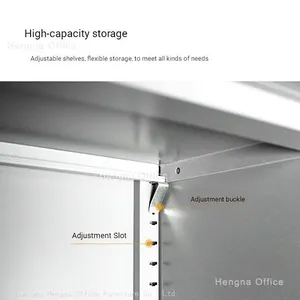
The door panels are the thickest part of the locker — because the door is what takes the abuse. Workers kick it, slam it, hang their body weight on it when they are changing boots. The door has to be thick enough to resist denting without adding so much weight that the hinges cannot support it.
The frame and side panels use the same cold-rolled steel, with internal reinforcement at the corners where stress concentrates. The result is a locker that does not flex when you push on it, does not wobble when you yank the door, and does not dent when a 90-kilogram worker in steel-toed boots kicks it open.
Ventilated: because wet work clothes do not wait
Factory workers do not change into dry clothes at home. They change at the locker room — before the shift, during the break, after the shift. Wet undershirts, sweaty uniforms, damp towels — all of them go into the locker. If the locker does not ventilate, the moisture stays inside. The smell builds. The mold grows. The worker stops using the locker and hangs his clothes on a hook instead — which defeats the purpose of having lockers in the first place.
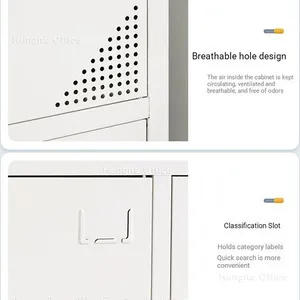
This locker has louver ventilation slots on every door. The slots are stamped into the steel — not drilled, not punched, not glued-on plastic inserts. Louvered slots allow air to flow through the locker even when the door is closed, while blocking dust and debris from entering. The ventilation is passive — no fans, no filters, no maintenance. Air moves through the slots by natural convection, carrying moisture out before it can build up.
The result: a locker that smells like a locker room, not like a gym bag left in a car.
Rust-free: the coating that holds
The locker is finished with electrostatic powder coating — not paint, not enamel, not “anti-rust treatment.” Powder coating is applied as a dry powder, then cured under heat to form a hard, continuous film that bonds to the steel at the molecular level. The coating does not chip when scratched the way paint does — it resists abrasion because it is fused to the surface, not layered on top of it.
The powder coating covers every surface — inside and out, including the door edges, the hinge areas, and the base. There is no exposed steel anywhere on the locker. Even the lock housing is coated. The only bare metal is the lock cylinder itself — and that is stainless steel.
In a factory environment, the coating does three things: it prevents rust by sealing the steel from moisture and air, it resists chemical exposure from oils and solvents that workers handle, and it cleans easily — a wipe with a damp cloth removes dust and grime without damaging the finish.
The lock that works when you need it
The standard lock is an anti-pick mechanical key lock — not a cam lock, not a padlock hasp, not a combination dial. The anti-pick mechanism uses a solid steel core with a restricted keyway that resists picking, drilling, and forced turning. Each locker comes with two keys — one for the worker, one for the facility manager’s master set.
The lock is mounted flush with the door surface — no protruding housing to catch on clothing, no exposed mechanism to collect dust. The keyhole is oriented downward to prevent water and debris from entering the lock body.
For facilities that need different lock types — combination locks for gyms, padlock hasps for shared-use areas, electronic locks for high-security zones — the lock housing is standardized. The same door panel accepts different lock mechanisms without modification. The facility manager can upgrade or change locks without replacing the door.
Configurations that match the workforce
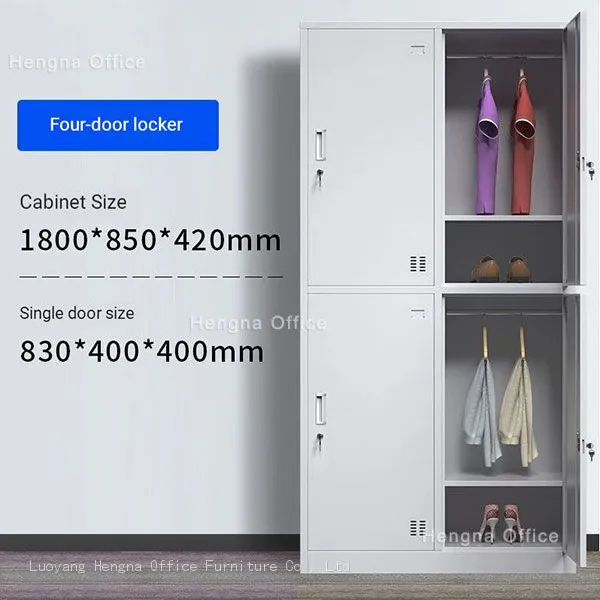
The locker comes in multiple door configurations — from 2-door units for supervisors who need hanging space, to 32-door units for large factories with hundreds of workers. The most common factory configurations:
6-door locker (H1800 × W900 × D420mm) — Three rows of two doors. Each compartment is large enough for a folded uniform, a pair of boots, and personal items. Best for factories with 50-100 workers where each worker gets one compartment.
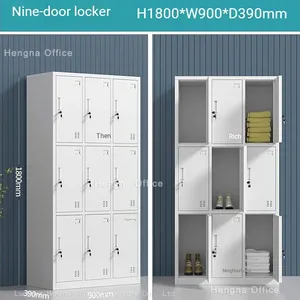
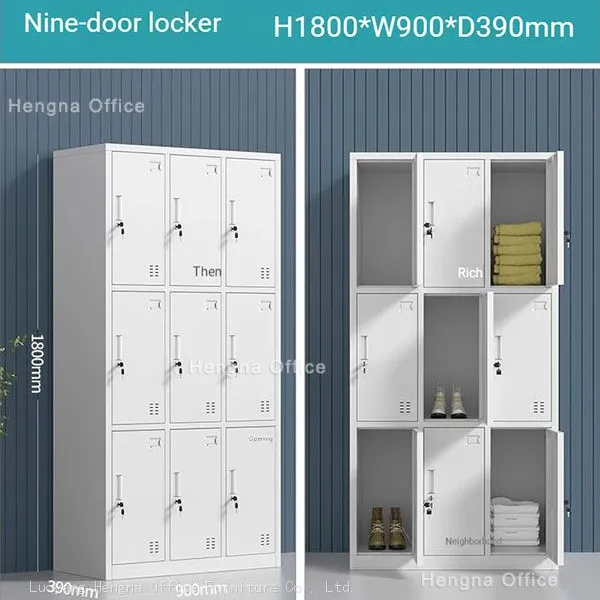
8-door locker (H1800 × W900 × D390mm) — Two rows of four doors, or two columns of four rows. Different compartment heights accommodate different storage needs — some workers need more vertical space for helmets, others need width for boots. Best for mixed-use changing rooms.
12-door locker (H1800 × W900 × D390mm) — Four columns of three rows. The standard for large factories. Each compartment is compact but sufficient for personal items and a change of clothes. The 12-door configuration maximizes the number of workers served per square meter of floor space.
15-door locker (H1800 × W900 × D350mm) — Three columns of five rows. The high-density option for factories with limited floor space. Each compartment is smaller — best for personal items and folded clothes, not for hanging uniforms.
All configurations share the same heavy-gauge steel body, the same louver ventilation, the same powder coating, and the same anti-pick lock. The only difference is the number and arrangement of doors.
Built for the factory floor — shipped flat
The locker ships KD (knock-down) — flat-packed in a single carton with the panels, hardware, and assembly instructions. For factories in remote locations — mining camps, processing plants, construction sites — the flat-pack design means the locker arrives without requiring a crane, a forklift, or a wide doorway.
The assembly is straightforward: base panels first, then uprights, then shelves, then doors, then lock. A team of two can assemble a 12-door locker in under forty minutes. The panels are pre-drilled at the factory — no guessing, no misaligned holes, no leftover parts.
The flat-pack design also means lower freight. A container that holds thirty assembled lockers can hold ninety flat-packed ones. For factories that need to outfit a new facility with two hundred lockers, the freight savings alone justify the KD option.
Who buys this locker
Factory facility managers — The primary buyer. They need lockers that survive daily abuse from hundreds of workers, that ventilate to prevent odor complaints, and that lock reliably to prevent theft.
HR departments — The locker is part of the employee experience. A clean, functional changing room with secure lockers tells workers that the company cares about their comfort and safety.
Mining and processing plants — Remote locations with harsh environments. The heavy-gauge steel and rust-free coating handle dust, moisture, and chemical exposure that would destroy ordinary lockers.
Construction site offices — Temporary facilities that need lockers that can be assembled quickly, used hard, and moved to the next site when the project ends.
Distributors and importers — The flat-pack design and competitive pricing make this locker attractive for distributors who supply industrial furniture to factories, mines, and construction companies across their regions.
Factory-direct from Luoyang
This steel locker is made by a steel furniture factory in Luoyang, China, and it is exported to factories, mines, and industrial facilities worldwide: Factory-direct pricing, with drawings and packaging spec included in every quote. KD design for economical shipping and easy on-site assembly. OEM and ODM welcome — your logo, your colors, your lock type, your door configuration. Full range from 2-door to 32-door, with custom options available.
Whether you are a facility manager outfitting a new changing room, an HR department replacing worn-out lockers, or a distributor supplying industrial furniture to factories in your region, the process is the same: confirm the configuration, check the sample, receive the container.
Questions factory buyers ask
What gauge steel is the locker made from? The locker body uses cold-rolled steel with door panels at the thickest gauge in the unit. The exact gauge varies by model — contact us with the configuration you need and we will confirm the steel thickness and load rating.
How does the ventilation work? Every door has louver ventilation slots stamped into the steel. The slots allow air to flow through the locker even when the door is closed, carrying moisture out before it can build up. The ventilation is passive — no fans, no filters, no maintenance.
Will the locker rust in a humid factory? The locker is finished with electrostatic powder coating on all surfaces — inside and out. The coating seals the steel from moisture and air, preventing rust. In standard factory environments, the coating lasts ten years or more without chipping or fading.
What type of lock does the locker use? The standard lock is an anti-pick mechanical key lock with a solid steel core and restricted keyway. Each locker comes with two keys. The lock housing is standardized and accepts combination locks, padlock hasps, or electronic locks without door modification.
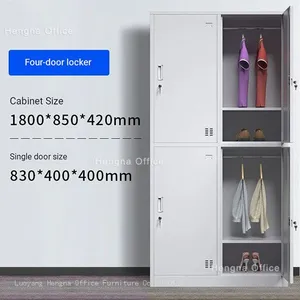
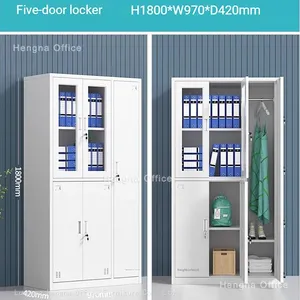
Can I order a custom number of doors? Yes. The locker is available in 2, 4, 5, 6, 8, 9, 10, 12, 15, 18, 24, and 32-door configurations. Custom door counts and sizes are available for bulk orders.
How are the lockers shipped? KD flat-pack, with all panels, hardware, and instructions in a single carton. A 20-foot container holds 30-40 lockers. A 40-foot container holds 70-80 lockers. The flat-pack design reduces freight costs and allows delivery to locations that cannot accommodate assembled units.
The locker that earns its place
A factory locker is not furniture. It is infrastructure — as essential as the lighting, the ventilation, and the fire extinguishers on the wall. When a locker fails, it does not just inconvenience one worker. It creates a security problem, a hygiene problem, and a morale problem. The worker whose locker door does not close properly stops using it. The worker whose lock jams stops trusting it. The worker who sees rust on his locker stops respecting it.
This locker was built for that standard. Heavy gauge steel that takes a kick without denting. Powder coating that takes a scratch without rusting. Louver ventilation that takes wet clothes without holding the smell. Anti-pick locks that take daily use without jamming. It is not the locker that gets replaced every year. It is the locker that stays for a decade.
Request a quote with your door count, your floor plan, and your port. We will confirm the configuration, the packaging, and the freight in one reply.

Send Inquiry to This Supplier


You May Also Like
-
4-Door Steel Locker for Locker Rooms and Public Facilities – Space-Saving and RobustUS$ 55 - 155MOQ: 2 Combos
-
6-Door Steel Staff Locker With Individual Locks — Heavy-Duty Metal for Office & Gym Series Low MOQUS$ 55 - 155MOQ: 2 Combos
-
Steel Wardrobe Locker for Schools and Workplaces – Multi-Tier Design for Efficient StorageUS$ 55 - 155MOQ: 2 Combos
-
4-Tier Steel Storage Lockers | Multi-Compartment Metal Wardrobe | With Ventilated Door Locking MechanismUS$ 55 - 155MOQ: 2 Combos
-
3/4/6/9-Door Steel Wardrobe Cabinet SW-201 | Hotel Staff Uniform Storage – Metal Wardrobe With Stainless Steel Clothes Rod & Built-in LockUS$ 38 - 138MOQ: 4 Combos
-
2-Door Metal Wardrobe Cabinet SW-202 | Office Changing Room Storage – Steel Wardrobe With Adjustment Slots & Quality HandleUS$ 38 - 138MOQ: 4 Combos
-
Steel Wardrobe SW-303 | School Locker Room Clothes Storage – Metal Wardrobe With Classification Slots & Steel Security LocksUS$ 38 - 138MOQ: 4 Combos
-
18-Door Commercial Steel Wardrobe SW-204 | Restaurant & Kitchen Staff Storage – Metal Wardrobe With Vent Holes & Anti-Pick LocksUS$ 38 - 138MOQ: 4 Combos
-
Steel Wardrobe Locker SW-401 | Airport Public Storage Cabinet – High-Capacity Metal Wardrobe With Cabinet Door Mirror & Built-in LockUS$ 38 - 138MOQ: 4 Combos
-
High Quality 12 Door Metal Locker- MLC537| Steel Storage Cabinet With Moisture-proof Design(Air Vent) for Gym & School-OEM/ODM SupportedUS$ 40 - 80MOQ: 5 Combos