


 Contact Platform Support
 Help Center
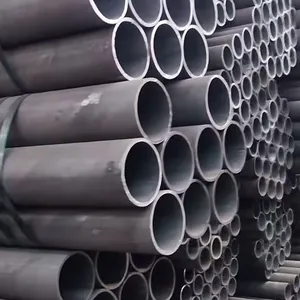
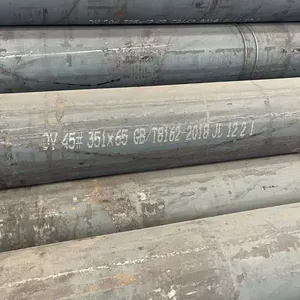
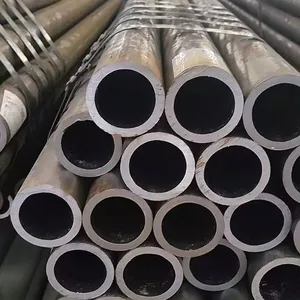
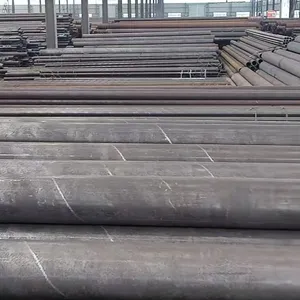
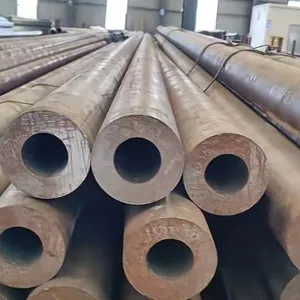
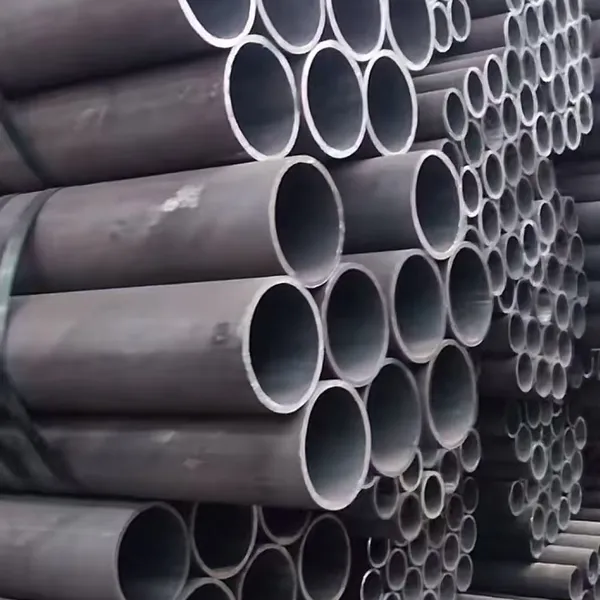
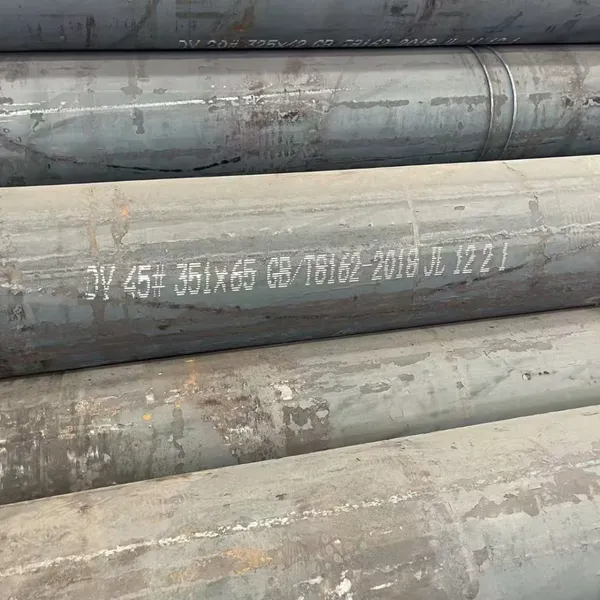
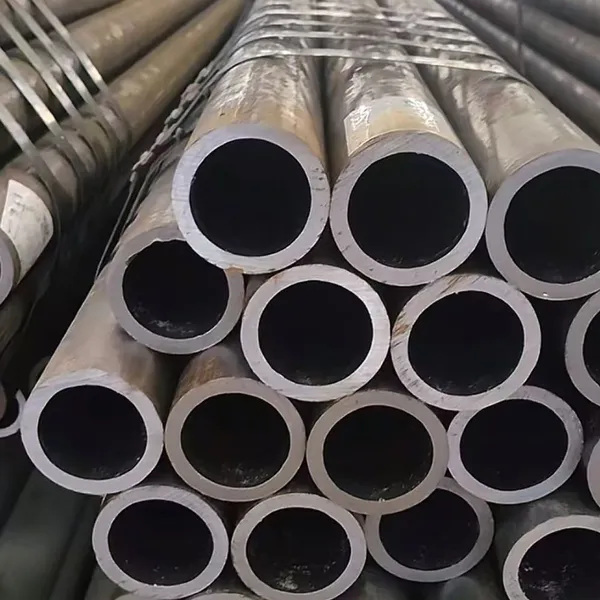
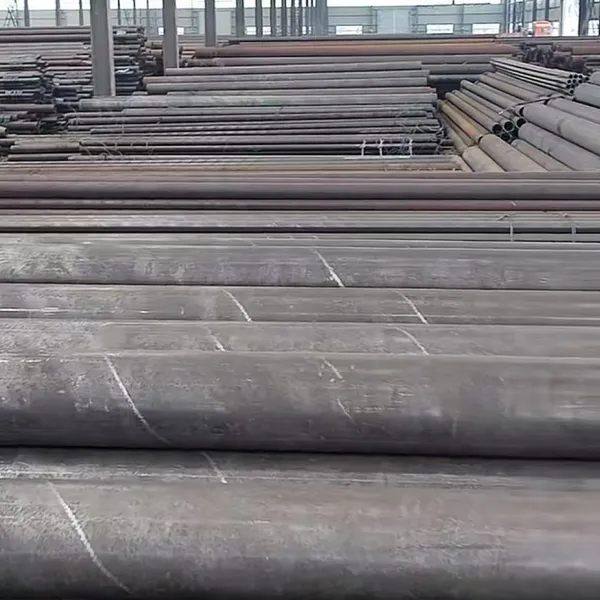
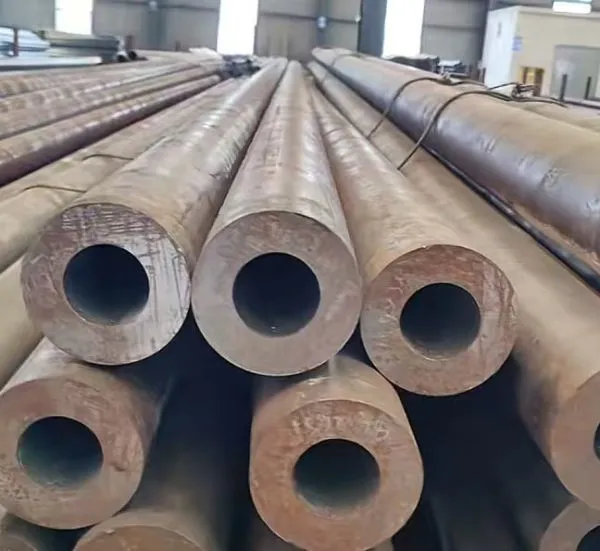
Steel Pipe & Tube & Carbon Steel Pipe,GB/T 3091-2015、GB/T 8163-2018、ASTM A53


Related Products
-
 Steel Pipe & Tube & Carbon Steel Pipe,GB/T 3091-2015、GB/T 8163-2018、ASTM A53NegotiableMOQ: 5 Metric Tons
 -
Steel Pipe & Tube & Carbon Steel Pipe,GB/T 3091-2015、GB/T 8163-2018、ASTM A53NegotiableMOQ: 5 Metric Tons
-
Steel Sheet & Plate, Medium Thick Plate, GB/T 700, GB/T 3274, ASTM, EN,Q235B, Q355B, SS400, A36NegotiableMOQ: 2 Metric Tons
-
Steel Pipe & Tube & Carbon Steel Pipe,GB/T 3091-2015、GB/T 8163-2018、ASTM A53NegotiableMOQ: 5 Metric Tons
-
Steel Sheet & Plate,Medium Thick Plate,Q235B、Q355B、SS400、A36,GB/T 700, GB/T 3274, ASTM, ENNegotiableMOQ: 2 Metric Tons
I. Product Overview
Carbon steel pipes are hollow tubular profiles made from high-quality carbon structural steel through processes such as smelting, rolling, forming, welding (or seamless processing), followed by heat treatment and surface treatment. They are one of the most widely used pipes in the industrial field. Their core advantages lie in high cost performance, stable mechanical properties, and excellent processing performance. They can be customized with different specifications, wall thicknesses, and surface treatment methods according to different working conditions, widely suitable for various scenarios such as fluid transportation and structural support, balancing practicality and economy.
The material of carbon steel pipes is mainly high-quality carbon steel, with common grades including Q195, Q215, Q235, Q355, etc. Among them, Q235 material has become the most commonly used basic grade due to its moderate strength, good toughness, and controllable cost; for high-end scenarios, high-strength grades such as Q355 can be selected to meet the requirements of higher loads and more complex working conditions. The products are strictly produced in accordance with domestic and foreign standards such as GB/T 3091-2015 (Welded Steel Pipes for Low Pressure Fluid Transport), GB/T 8163-2018 (Seamless Steel Pipes for Fluid Transport), and ASTM A53 to ensure that the product quality meets standards and performance is stable.
II. Product Classification
(1) Classification by Production Process
Seamless Carbon Steel Pipes: Made by hot rolling or cold drawing processes, without welds, with high overall strength, good sealing performance, not easy to leak, and can withstand high pressure and temperature. They are mainly used in scenarios such as high-pressure fluid transportation (such as petroleum, natural gas, steam), mechanical structural parts, and precision instrument accessories. The specification range is usually 10mm-630mm in outer diameter and 1mm-50mm in wall thickness.
Welded Carbon Steel Pipes: Made from steel strips through crimping and welding, divided into straight seam welded and spiral welded types. Straight seam welded pipes have high production efficiency and low cost, suitable for low-pressure fluid transportation (such as tap water, sewage, gas); spiral welded pipes have uniform weld stress and strong crack resistance, suitable for large-diameter, medium and low-pressure transportation pipelines (such as municipal engineering, farmland irrigation), with specifications covering 50mm-2000mm in outer diameter and 2mm-20mm in wall thickness.
(2) Classification by Surface Treatment
Black Carbon Steel Pipes: Without surface treatment, the surface is covered with black-brown oxide scale, with the lowest cost. Suitable for indoor dry environments and non-corrosive working conditions, such as indoor structural support and mechanical brackets. Rust removal and painting treatment are required according to needs before use.
Hot-Dipped Galvanized Carbon Steel Pipes: A uniform zinc layer is formed on the surface of the steel pipe through the hot-dip galvanizing process, which has excellent corrosion resistance and rust resistance, and the service life is greatly improved compared with black pipes. Suitable for outdoor, humid environments, and corrosive medium transportation (such as rainwater, seawater, mild acid-base fluids), widely used in municipal pipe networks, farmland irrigation, outdoor engineering, etc.
Cold Galvanized Carbon Steel Pipes: Adopt electrogalvanizing process, with a thin zinc layer on the surface. The rust resistance is slightly inferior to that of hot-dipped galvanized pipes, but the appearance is cleaner and smoother. Suitable for scenarios with high appearance requirements and weak corrosion, such as indoor decoration and light fluid transportation.
(3) Classification by Application
Carbon Steel Pipes for Fluid Transport: Specifically used for transporting various fluids such as water, oil, gas, and steam, requiring good sealing performance and strong pressure resistance. Commonly used in water supply and drainage engineering, petrochemical industry, heating systems, gas transportation and other fields, and need to meet relevant pressure grade standards.
Carbon Steel Pipes for Structural Use: Used for structural support in construction, machinery, bridges, etc., requiring sufficient strength and toughness. They can be used as brackets, columns, beams and other components, such as steel structure workshops, bridge guardrails, mechanical bases, etc.
Special Carbon Steel Pipes: Customized according to specific scenarios, such as high-strength carbon steel pipes (used for high-pressure equipment, heavy machinery), thin-walled carbon steel pipes (used for light structures, precision instruments), thick-walled carbon steel pipes (used for high-pressure, high-temperature working conditions), etc.
III. Core Product Characteristics
Excellent Mechanical Properties: Moderate tensile strength and yield strength, good toughness, not easy to break, can withstand a certain impact load and pressure, suitable for the mechanical requirements of most industrial and civil scenarios. Moreover, it has good processing performance and can be subjected to various processing operations such as cutting, welding, bending, and stamping, which is convenient for on-site installation and transformation.
High Cost Performance: Raw materials are easy to obtain, the production process is mature, and the production cost is low. Its performance can meet the needs of most scenarios, making it one of the most widely used and economical pipes at present, balancing practicality and economy.
Wide Adaptability: Complete specifications, can be customized with outer diameter, wall thickness, length and surface treatment methods according to needs, suitable for different pressure levels such as low pressure, medium pressure and high pressure, as well as different working conditions such as dry, humid and mild corrosion, covering multiple fields such as industry, municipal administration, construction and agriculture.
Easy Processing and Maintenance: Can be quickly installed by welding, flange connection and other methods, with simple later maintenance and convenient replacement when damaged; black pipes can improve rust resistance and extend service life through rust removal, painting, galvanizing and other methods.
IV. Application Scope
With its excellent performance and high cost performance, carbon steel pipes are widely used in the following fields:
Municipal Engineering: Water supply and drainage pipelines, gas transmission pipelines, heating pipelines, municipal pipe network transformation, etc. Among them, hot-dipped galvanized carbon steel pipes are the first choice for municipal outdoor pipelines due to their good rust resistance.
Petrochemical Industry: Fluid transmission pipelines for crude oil, finished oil, chemical raw materials, etc. Seamless carbon steel pipes or high-strength welded steel pipes are mainly selected to meet the requirements of high pressure and corrosion resistance.
Construction Industry: Steel structure support, scaffolding, building columns, door and window frames, indoor water supply and drainage pipelines, etc. Carbon steel pipes for structural use can improve the stability and bearing capacity of building structures.
Mechanical Manufacturing: Mechanical brackets, equipment casings, conveyor rollers, hydraulic pipelines, etc. Steel pipes of different specifications can be customized according to equipment needs to adapt to the mechanical requirements of mechanical operation.
Agricultural Field: Farmland irrigation pipelines, agricultural machinery equipment accessories, etc. Welded carbon steel pipes with high cost performance are mostly selected to adapt to outdoor humid environments.
Other Fields: Power engineering, communication pipelines, fire pipelines, shipbuilding, etc. Corresponding specifications and types can be selected according to specific working conditions.
V. Technical Parameters (Conventional Standards)
Item |
Parameter Range |
Description |
Material Grade |
Q195, Q215, Q235, Q355, etc. |
Different strength grades of materials can be selected according to needs |
Outer Diameter Range |
10mm-2000mm |
Conventional seamless pipes: 10-630mm; Conventional welded pipes: 50-2000mm |
Wall Thickness Range |
1mm-50mm |
Wall thickness can be customized on demand; thick-walled pipes are suitable for high-pressure working conditions |
Length Range |
6m, 9m, 12m, customizable |
Regular fixed length: 6m; special lengths can be negotiated for production |
Pressure Grade |
0.6MPa-10MPa |
The pressure grade of seamless pipes is higher than that of welded pipes, suitable for different working conditions |
Executive Standard |
GB/T 3091-2015, GB/T 8163-2018, ASTM A53, etc. |
Can be produced according to national standards, American standards and other different standards |
Surface Treatment |
Black, hot-dipped galvanized, cold galvanized, rust removal and painting |
Select on demand to improve rust resistance or appearance effect |
VI. Installation and Usage Notes
Before installation, check the appearance of the steel pipe to confirm that there are no cracks, depressions, rust, burrs and other defects, verify that the specifications, wall thickness and material meet the design requirements, and avoid using unqualified products.
Special cutting tools should be used for steel pipe cutting to ensure that the cut is flat and free of burrs, and the debris at the cut should be cleaned after cutting; when welding, matching electrodes should be selected, and the welding operation should be carried out in strict accordance with the welding specifications to ensure that the weld is firm, free of slag inclusion and air holes, and avoid leakage or insufficient strength caused by welding defects.
For black carbon steel pipes installed outdoors, rust removal and painting treatment should be carried out in advance, and regular maintenance should be performed; when installing hot-dipped galvanized steel pipes, avoid damaging the surface zinc layer. If the zinc layer is damaged, rust-proof paint should be touched up in time to extend the service life.
For steel pipes used for fluid transportation, a pressure test should be carried out after installation to ensure good sealing performance, and they can be put into use only after no leakage; when transporting corrosive media, appropriate surface treatment methods or materials should be selected according to the characteristics of the media to avoid pipe corrosion.
Steel pipes should be stored in a dry, ventilated and cool place to avoid outdoor exposure to the sun and rain and prevent rust; they should be stacked separately to avoid extrusion and collision and prevent pipe deformation.
During use, regularly check the operation status of the steel pipe. If rust, damage, leakage and other problems are found, repair or replace them in time to avoid potential safety hazards.
VII. Product Advantages
Product Advantages
1. Source Control: Select high-quality carbon steel raw materials, strictly implement national and industry standards, and each batch of products is inspected to ensure that the quality meets the standards;
2. Customized Service: Can customize steel pipes of different specifications, wall thicknesses, materials, surface treatments and lengths according to customer needs to adapt to various special working conditions;
3. Outstanding Cost Performance: Mature production process and mass production reduce costs, with far superior cost performance than similar products; 3. Outstanding Cost Performance: Mature production process and mass production reduce costs, with outstanding cost performance and more market competitiveness;
4. Timely Delivery: Sufficient stock, regular specifications can be shipped on the same day, and the delivery cycle for customized specifications is 5-7 days. Production can be arranged quickly to ensure the project progress.

Send Inquiry to This Supplier



You May Also Like
-
Flat Steel,Flat Bar,Q235B, Q355B, 10#, 20#, 45#NegotiableMOQ: 2 Metric Tons
-
High Frequency H Beam & H Beam,GB/T 11263-2017、S235JR、S355JRNegotiableMOQ: 5 Metric Tons
-
Flat Steel,Flat Bar,Q235B, Q355B, 10#, 20#, 45#NegotiableMOQ: 2 Metric Tons
-
High Frequency H Beam & H Beam,GB/T 11263-2017、S235JR、S355JRNegotiableMOQ: 5 Metric Tons
-
High Frequency H Beam & H Beam,GB/T 11263-2017、S235JR、S355JRNegotiableMOQ: 5 Metric Tons
-
High Frequency H Beam & H Beam,GB/T 11263-2017、S235JR、S355JRNegotiableMOQ: 5 Metric Tons
-
Flat Steel ,Galvanized Flat Steel,Q235B, Q355B, 10#, 20#, 45#,NegotiableMOQ: 2 Metric Tons
-
Steel Angle & Angle Steel In Stock,Q235B、Q355BNegotiableMOQ: 5 Metric Tons
-
Flat Steel ,Flat Steel、- Q235B - Q355B - S235JR - S355JR - A36 - SS400NegotiableMOQ: 2 Metric Tons
-
Steel Angle & Angle Steel In Stock,Q235B、Q355BNegotiableMOQ: 5 Metric Tons


