


 Contact Platform Support
 Help Center
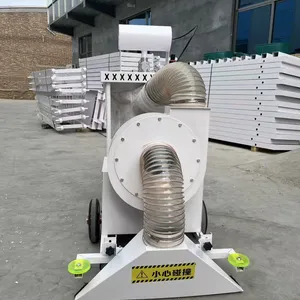
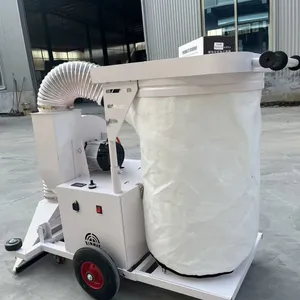
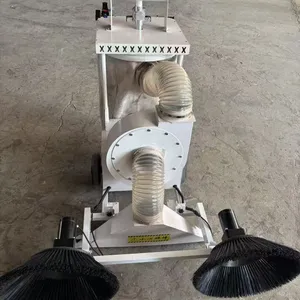
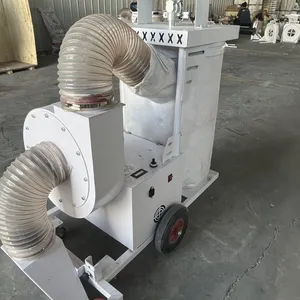
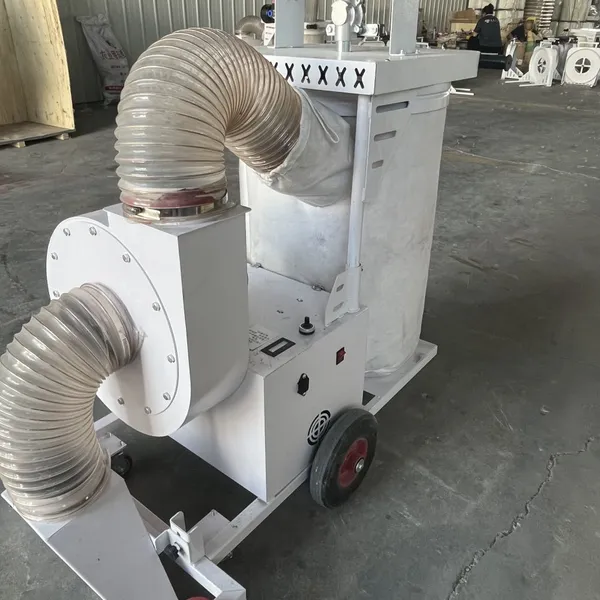
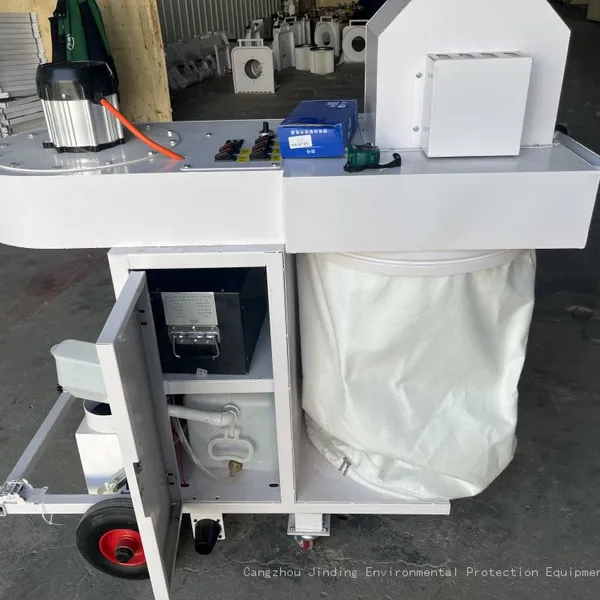
Hand-propelled Vacuum Cleaner: Compact, Convenient, and Efficient
Product Spotlights

Related Products
-
 Electric Tar Catcher, Electrostatic Precipitator, Coke Oven Flue Gas Collection and Treatment Equipment, Cangzhou Jinding Environmental ProtectionNegotiableMOQ: 0 Unit
 -
Type Yjd-a Star Discharge Valve, Cangzhou Jinding Environmental ProtectionUS$ 400 - 5000MOQ: 1 Unit
-
Type Qmfd-100 Electromagnetic Pulse Valve, Cangzhou Jinding Environmental ProtectionUS$ 30 - 500MOQ: 1 Piece
-
Dmf-zm Right Angle Electromagnetic Pulse Valve With Nuts, Cangzhou Jinding Environmental ProtectionUS$ 40 - 500MOQ: 1 Piece
-
Type Yjd-b Star Discharge Valve, Cangzhou Jinding Environmental ProtectionUS$ 400 - 5000MOQ: 1 Unit
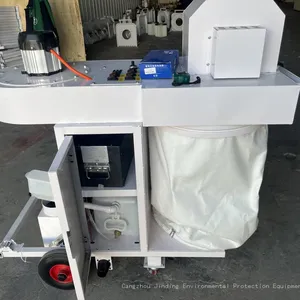
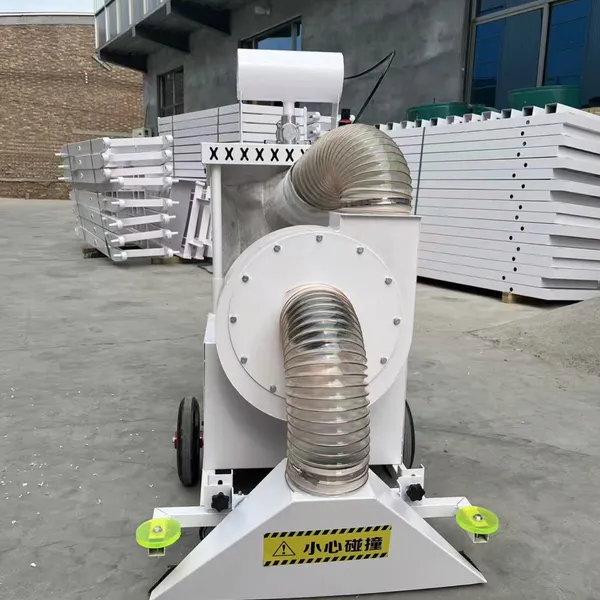
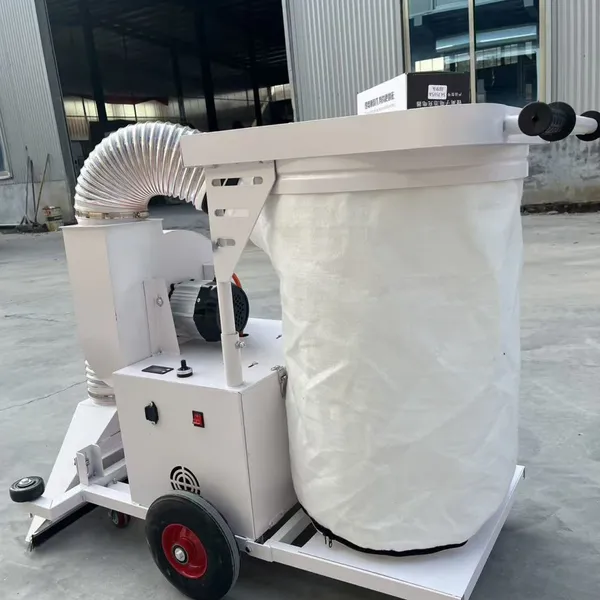
Introduction and Working Principle of the Pushcart Vacuum Vehicle I. Overall Introduction of the Pushcart Vacuum Vehicle The pushcart vacuum vehicle is a compact, high-efficiency cleaning device that integrates sweeping, vacuuming, and waste collection functions. Powered primarily by electricity, its compact and flexible design overcomes the limitations of large-scale cleaning equipment in confined spaces, making it a core tool for modern precision cleaning. It eliminates the drawbacks of traditional manual sweeping—low efficiency, significant dust generation, and high labor intensity—by leveraging the coordinated operation of its mechanical components to achieve efficient removal of various ground debris while effectively suppressing secondary dust emission. Balancing cleaning effectiveness with environmental requirements, it is widely used in daily cleaning operations across diverse scenarios.
(1) Core Features – Compact and Flexible, High Adaptability: The device features a compact body size and small turning radius, requiring no complex operations to easily access areas difficult for large equipment to reach, such as workshop corners, sidewalks, stairwells, small squares, and underground garages. It is compatible with various flooring materials including concrete, epoxy flooring, marble, and asphalt, demonstrating exceptional performance in complex working environments.
-High efficiency, energy-saving, environmentally friendly, and low-noise: Powered by high-performance maintenance-free batteries or lithium-ion batteries, it emits no exhaust gases and has significantly lower operating costs compared to fuel-powered equipment, meeting modern environmental standards; the motor operates smoothly with minimal noise, making it suitable for noise-sensitive environments such as hospitals, schools, and residential communities, without causing interference to the surrounding environment or personnel.
-Integrated suction for thorough cleaning: Combining sweeping and vacuuming functions, it effectively removes large debris such as paper scraps, leaves, and sand/stone, while also capturing fine particles like dust, metal shavings, and wood chips, eliminating dust generation associated with manual cleaning. The cleaning effect is uniform and comprehensive, with operational efficiency several times higher than manual methods. Some models can clean 3,000–4,000 square meters per hour, equivalent to the cleaning efficiency of 10 manual workers.
-User-friendly operation and easy maintenance: Featuring a push-type design, some models are equipped with auxiliary drive functions, allowing operators to control only the direction, significantly reducing physical strain. The compact structure includes pull-out dust compartments for convenient waste disposal without direct contact with garbage. Certain models come with washable HEPA filters or high-efficiency filter cloths, ensuring easy maintenance and reusability, thereby lowering long-term operating costs.
-Robust and durable with high practicality: The корпус is primarily constructed from engineering plastics or high-quality steel plates welded together, offering excellent impact resistance and adaptability to various working environments; the large-capacity dust bin (typically 36–56 liters) design reduces waste disposal frequency and enhances operational continuity; the wheels are made of highly elastic rubber material, providing superior friction resistance and load-bearing capacity, thereby extending the equipment's service life.
(II) Application Scenarios The hand-pushed vacuum truck is applicable in various fields including municipal sanitation, property cleaning, commercial establishments, and industrial production, specifically: -Municipal sanitation: Cleaning sidewalks, non-motorized vehicle lanes, back alleys, small squares, park paths, and areas after early and evening market closures; -Property cleaning: Residential communities, peripheries of commercial buildings, underground parking garages, and internal roads and stairwells of schools and hospitals; -Commercial establishments: Shopping malls, supermarkets, commercial streets, pedestrian streets, farmers' markets, small parking lots, and station platforms; -Industrial production: Factory workshops and warehousing/logistics centers for removing debris, dust, metal filings, and other waste generated during production; -Other scenarios: Small areas requiring meticulous cleaning, such as campus campuses, scenic area trails, and office building corridors.
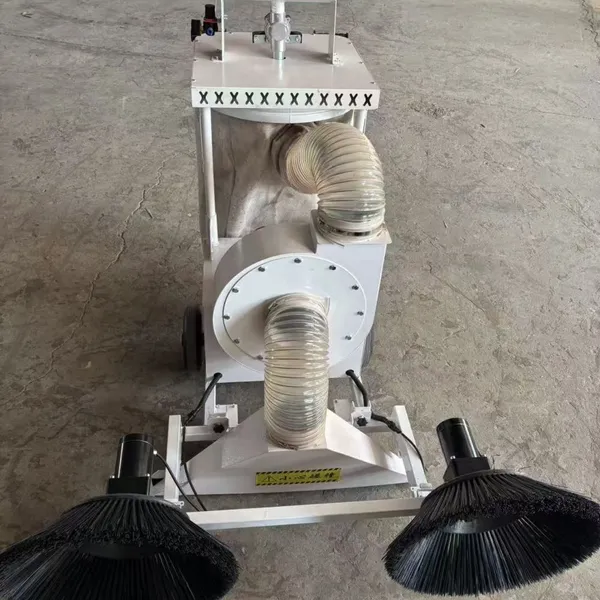
(III) Core Components The stable operation of the hand-pushed vacuum cleaner relies on the coordinated functioning of its key components, which include: -Power System: Powered by high-performance maintenance-free batteries or lithium-ion batteries paired with motor controllers and drive motors, this system provides continuous operation for several hours per charge, meeting daily cleaning demands. -Cleaning System: Comprising a main brush (rolling brush) and dual-side brushes, the main brush is located at the device's base to collect debris and direct it to the suction inlet, while side brushes on both front sides sweep dust and debris from corners and edges into the main brush's working zone, ensuring comprehensive cleaning. The bristles are made of wear-resistant hybrid fiber material, effective for both fine dust removal and large debris disposal. -Suction System: Featuring a vacuum fan and high-efficiency filtration system, the fan generates strong negative pressure to draw in airborne debris, while filters (HEPA cartridges, filter cloths, etc.) capture fine particles to prevent secondary dust emission. Some models include a front-mounted spray dust suppression device to further reduce airborne particles. -Collection System: A retractable dust bin stores collected debris and dust; its large capacity ensures uninterrupted operation. Some models incorporate roller brushes to assist debris collection, preventing blockages at the suction inlet. -Operation and Mobility System: Includes an adjustable handle, control switches, swivel guide wheels, and drive wheels. The handle regulates height, switches control the device's startup/stop and speed, the swivel wheels enable smooth steering, and drive wheels ensure stable movement. Some models feature hydraulic actuators for enhanced operational convenience.
II. Working Principle of the Push-type Vacuum Vehicle The core operating principle of the push-type vacuum vehicle lies in its "combined sweeping and suction with negative pressure dust collection." The power system drives the sweeping and vacuum systems to work in synergy, completing a closed-loop cleaning process that encompasses "sweeping—centralized collection—suction—filtration—storage," ensuring dust-free and highly efficient cleaning throughout. The operational mechanism consists of four coordinated core steps: (1) Power Activation: Upon connecting the equipment's power supply (or activating the battery), the power system initiates operation. The motor controller synchronously activates the drive motor, sweeping motor, and vacuum fan, putting the device into operational mode. The push mechanism then moves forward (some auxiliary models feature automatic forward movement, requiring only directional control from the operator), while the mobility system ensures stable movement. Simultaneously, the sweeping and vacuum systems commence operation in coordinated mode, eliminating the need for manual individual adjustments—resulting in convenient and efficient operation.
(2) Thorough Cleaning with No Blind Spots: In the cleaning system, the dual-side brushes initially rotate at high speed. Due to their opposite rotation directions, they direct debris (such as paper scraps, leaves, sand, and dust) from hard-to-reach areas—including the sides of the unit, corners, and edges—to the central main brush, preventing missed sweeping at the edges. The main brush (rolling brush) rotates synchronously at high speed; its wear-resistant bristles make tight contact with the floor, further sorting and concentrating debris (including accumulated debris in the main brush area and debris directly beneath the unit). The rotational force then lifts the debris upward toward the dust collection port, preparing the surface for subsequent cleaning. Some models feature adjustable main brush heights to accommodate floors of varying thicknesses and different types of debris, ensuring comprehensive cleaning.
(3) Negative Pressure Vacuuming: The vacuum system operating in synchronization with the cleaning system features a high-speed vacuum fan as its core component, creating a strong negative pressure environment at the suction port and inside the dust collection chamber (similar to the working principle of household vacuum cleaners, but with greater suction power and broader coverage). When the main brush transports debris to the vicinity of the suction port, the negative pressure instantly draws both the debris and fine dust generated during cleaning into the suction ducts, where they are rapidly conveyed to the dust collection chamber. For dust-prone waste materials, some models are equipped with a pre-installed misting device that simultaneously sprays water mist to suppress dust dispersion. Combined with the filtration system, this effectively prevents secondary dust emission, improves the working environment and air quality, and safeguards operator health.
(4) Filtration and Separation: Waste and dust entering the dust chamber undergo separation treatment through the internal high-efficiency filtration system (including HEPA filters and filter cloths). Larger waste particles (such as paper scraps, leaves, and sand/stone) settle directly at the chamber bottom due to their weight, while fine dust particles are captured by the filtration system and adhere to the filter surfaces, preventing their expulsion with airflow and subsequent secondary contamination. The purified air is discharged externally via a fan, achieving a closed-loop system of "waste storage and clean exhaust." Some models feature washable and replaceable filters; regular cleaning ensures optimal dust collection performance and extended equipment lifespan. The dust chamber features a pull-out design, allowing easy removal when waste reaches a specified level for convenient disposal without manual contact risk.
(5) Core Principle Summary: The working principle of the manual-powered vacuum truck fundamentally relies on the synergistic effect of "mechanical sweeping, negative pressure suction, and high-efficiency filtration." Powered by a drive system that synchronizes all components, it collects, draws in, filters, and stores ground debris from its dispersed state without requiring manual intervention throughout the process. This not only enhances cleaning efficiency but also addresses the dust emission issue associated with traditional manual sweeping. Its core advantage lies in the "integrated sweeping and suction" capability, overcoming the limitations of conventional cleaning equipment that either "sweeps without suction" or "sucks without sweeping." It achieves the cleaning objectives of "comprehensive coverage without dead zones, dust-free suction, and labor-saving operation," making it an ideal device for precise cleaning in small areas and a significant manifestation of the cleaning industry's transition from manual to mechanized operations. WhatsApp: +8618713052490

Send Inquiry to This Supplier


You May Also Like
-
Vertical Electric Tar Catcher, Honeycomb Tar Collector, Asphalt Fume Collection and Treatment, Cangzhou Jinding Environmental ProtectionNegotiableMOQ: 0 Unit
-
Dmf-y Submerged Electromagnetic Pulse Valve, Cangzhou Jinding Environmental ProtectionUS$ 45 - 500MOQ: 1 Piece
-
Dmf-z Type Electromagnetic Pulse Valve, Cangzhou Jinding Environmental ProtectionUS$ 45 - 500MOQ: 1 Piece
-
Silicone Dust Removal Skeleton, Cangzhou Jinding Environmental ProtectionUS$ 7.54 - 7.69MOQ: 1 Rod
-
Stainless Steel Discharger, Cangzhou Jinding Environmental ProtectionUS$ 700 - 5000MOQ: 1 Unit
-
High-temperature-resistant Star-shaped Discharge Valve, Cangzhou Jinding Environmental ProtectionUS$ 550 - 5000MOQ: 1 Unit
-
Galvanized Dust Removal Skeleton, Cangzhou Jinding Environmental ProtectionUS$ 10 - 500MOQ: 1 Piece
-
Trapezoidal Dust Collector Frame, Cangzhou Jinding Environmental ProtectionUS$ 15 - 500MOQ: 1 Piece
-
P84 High-temperature-resistant Dust Filter Bags, Cangzhou Jinding Environmental ProtectionUS$ 15 - 500MOQ: 1 Piece
-
Explosion-proof Star Feeder, Cangzhou Jinding Environmental ProtectionUS$ 550 - 5000MOQ: 1 Unit
