


 Contact Platform Support
 Help Center
ASME SA335 Seamless Ferritic Alloy Steel Pipe For High Temperature Service – Grades P1, P2, P5, P9, P11, P12, P22, P36, P91, P92, P122
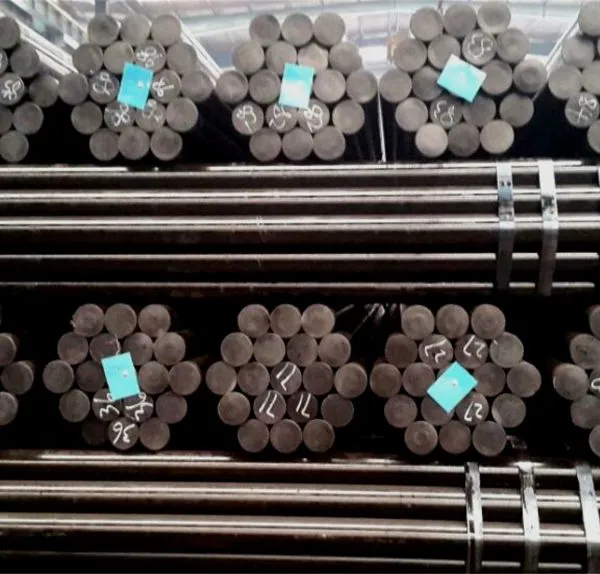
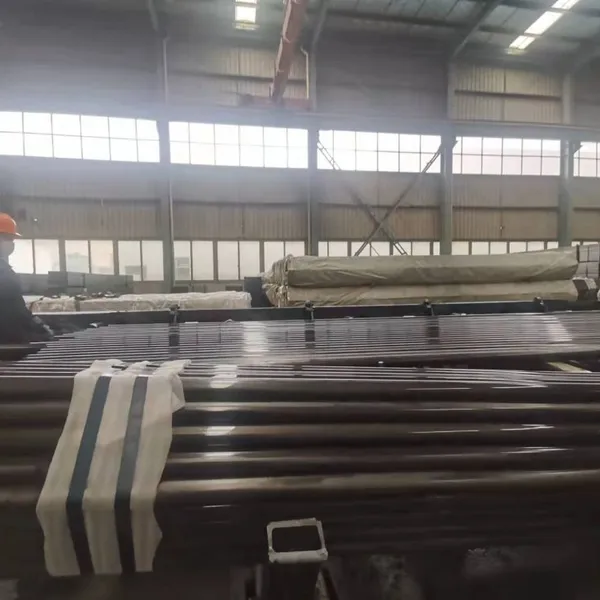
Product Spotlights
For High Temperature Service – Grades P1, P2, P5, P9, P11, P12, P22, P36, P91, P92, P122
Chrome-Moly (Cr-Mo) Alloy – Nominal or Minimum Wall Thickness
ASME Boiler & Pressure Vessel Code Section II

Related Products
-
 ASME SA335 Seamless Alloy Steel Pipe – High Temperature Service Chrome-Moly (Cr-Mo) – Grades P11,P12, P22,NegotiableMOQ: 1 Metric Ton
 -
ASME SA335 Seamless Chrome-Moly Alloy Pipe – High Temperature ServiceNegotiableMOQ: 1 Metric Ton
-
ASME SA335 Seamless Ferritic Alloy Steel Pipe for High Temperature ServiceNegotiableMOQ: 1 Metric Ton
-
ASME SA335 Seamless Ferritic Alloy Steel Pipe for High Temperature ServiceNegotiableMOQ: 1 Metric Ton
-
ASME SA334 Seamless and Welded Alloy Steel Tube For Low Temperature and Cryogenic ServiceNegotiableMOQ: 1 Metric Ton
ASME SA335 Seamless Ferritic Alloy Steel Pipe
For High Temperature Service – Grades P1, P2, P5, P9, P11, P12, P22, P36, P91, P92, P122
Chrome-Moly (Cr-Mo) Alloy – Nominal or Minimum Wall Thickness
ASME Boiler & Pressure Vessel Code Section II
Product Overview
ASME SA335 / ASTM A335 seamless ferritic alloy steel pipe is the industry standard for high temperature service in accordance with the ASME Boiler and Pressure Vessel Code Section II. These pipes are manufactured as chrome-moly (Cr-Mo) alloy steel, providing superior oxidation resistance, creep strength, and corrosion resistance at elevated temperatures where carbon steel pipes cannot operate .
Key Characteristics:
Chromium (Cr) provides: Oxidation and corrosion resistance, scale resistance at high temperatures
Molybdenum (Mo) provides: High-temperature strength, creep resistance, hardenability
Ferritic Alloy Grades Covered:
P1 – Carbon-Molybdenum steel (C-0.5Mo) – up to 482°C (900°F)
P2 – 0.5Cr-0.5Mo – low alloy
P5 – 5Cr-0.5Mo – excellent oxidation resistance up to 593°C
P9 – 9Cr-1Mo – high chromium for severe oxidation
P11 – 1.25Cr-0.5Mo – most popular grade for general high temperature
P12 – 1Cr-0.5Mo – economical chrome-moly
P22 – 2.25Cr-1Mo – standard for high pressure/high temperature power plants
P36 – 1.25Cr-0.5Mo – modified P11
P91 – 9Cr-1Mo-V-Nb – advanced creep-resistant steel for supercritical boilers
P92 – 9Cr-0.5Mo-1.8W-V-Nb – ultra-supercritical grade with tungsten
P122 – 11Cr-0.5Mo-2W-V-Nb – high chromium advanced grade
📌 Key Feature: These pipes are suitable for bending, flanging, and similar forming operations, as well as fusion welding. The choice depends on design, service conditions, mechanical properties, and high-temperature characteristics .
✅ ASME SA335 certified – Compliant with ASME Boiler & Pressure Vessel Code Section II; latest edition
✅ Seamless ferritic alloy construction – No weld seam – essential for high pressure/temperature integrity
✅ Chrome-Moly (Cr-Mo) alloy – Chromium for oxidation resistance; Molybdenum for creep strength
✅ Nominal or minimum wall thickness – Available in both wall thickness definitions
✅ Full range of grades – P5, P9, P11, P12, P22, P91, P92 – one-stop sourcing
✅ Elevated temperature capability – Up to 620°C (1150°F) for advanced grades
✅ 100% NDT and hydrostatic tested – Guaranteed integrity for high pressure service
✅ EN 10204 Type 3.1 MTC provided with full traceability
✅ Factory direct | Stock available for P11, P22, P91 | Fast delivery
Key Specifications
| Parameter | Details |
|---|---|
| Standard | ASME SA335 / ASTM A335 (latest edition) |
| ASME Code | Boiler & Pressure Vessel Code Section II |
| Product Type | Seamless Ferritic Alloy Steel Pipe – High Temperature Service |
| Alloy Grades | P1, P2, P5, P9, P11, P12, P22, P36, P91, P92, P122 |
| Wall Type | Nominal wall thickness (average wall) or minimum wall |
| Size Range | 1/2″ – 24″+ (DN15 – DN600+) |
| Wall Thickness | Schedule 10 – Schedule 160, XXS (as per ASME B36.10) |
| Length | 4m – 12m (fixed or random) – R1, R2, R3 available |
| Surface Finish | Black / Bare / Oiled / Coated |
| End Finish | Plain / Beveled / Threaded |
📌 Note: The ferritic steels covered by this specification are defined as low-alloy and medium-alloy steels with chromium content not exceeding 10% .
Chrome-Moly Alloy Grades – Chemical Composition
| Grade | UNS | C | Si | Mn | P max | S max | Cr | Mo | Others |
|---|---|---|---|---|---|---|---|---|---|
| P1 | — | 0.10-0.20 | 0.10-0.50 | 0.30-0.80 | 0.025 | 0.025 | — | 0.44-0.65 | — |
| P5 | K41545 | ≤0.15 | ≤0.50 | 0.30-0.60 | 0.025 | 0.025 | 4.00-6.00 | 0.45-0.65 | — |
| P9 | S50400 | ≤0.15 | 0.25-1.00 | 0.30-0.60 | 0.025 | 0.025 | 8.00-10.00 | 0.90-1.10 | — |
| P11 | K11597 | 0.05-0.15 | 0.50-1.00 | 0.30-0.60 | 0.025 | 0.025 | 1.00-1.50 | 0.44-0.65 | — |
| P12 | K11562 | 0.05-0.15 | ≤0.50 | 0.30-0.61 | 0.025 | 0.025 | 0.80-1.25 | 0.44-0.65 | — |
| P22 | K21590 | 0.05-0.15 | ≤0.50 | 0.30-0.60 | 0.025 | 0.025 | 1.90-2.60 | 0.87-1.13 | — |
| P91 | K91560 | 0.08-0.12 | 0.20-0.50 | 0.30-0.60 | 0.020 | 0.010 | 8.00-9.50 | 0.85-1.05 | V 0.18-0.25, Nb 0.06-1.10, N 0.030-0.070 |
| P92 | K92460 | 0.07-0.13 | ≤0.50 | 0.30-0.60 | 0.020 | 0.010 | 8.50-9.50 | 0.30-0.60 | W 1.50-2.00, V 0.15-0.25, Nb 0.04-0.09, B 0.001-0.006 |
💡 Key differences: P91 and P92 have tighter P/S limits (0.020/0.010) for improved toughness, vanadium (V) and niobium (Nb) for precipitation strengthening, and P92 adds tungsten (W) for enhanced creep strength at ultra-high temperatures .
Mechanical Properties – ASME SA335 Grades
| Grade | Yield Strength (MPa) | Yield (psi) | Tensile Strength (MPa) | Tensile (psi) | Elongation (%) | Hardness (HB max) |
|---|---|---|---|---|---|---|
| P1 | ≥205 | 30,000 | ≥380 | 55,000 | ≥30 | — |
| P2 | ≥205 | 30,000 | ≥415 | 60,000 | ≥30 | — |
| P5 | ≥205 | 30,000 | ≥415 | 60,000 | ≥30 | — |
| P9 | ≥205 | 30,000 | ≥415 | 60,000 | ≥30 | — |
| P11 | ≥205 | 30,000 | ≥415 | 60,000 | ≥30 | — |
| P12 | ≥220 | 32,000 | ≥415 | 60,000 | ≥30 | — |
| P22 | ≥205 | 30,000 | ≥415 | 60,000 | ≥30 | — |
| P91 | ≥415 | 60,000 | ≥585 | 85,000 | ≥20 | 250 |
| P92 | ≥440 | 64,000 | ≥620 | 90,000 | ≥20 | 250 |
💡 P91 provides ~100% higher yield strength than P22 at room temperature – enabling thinner walls and lighter piping systems .
Grade Selection Guide – Temperature & Pressure
| Grade | Cr (%) | Mo (%) | Max Temp (°C) | Max Temp (°F) | Typical Application | Cost |
|---|---|---|---|---|---|---|
| P1 | — | 0.5 | 482 | 900 | Low alloy, moderate temperature | $ |
| P5 | 5.0 | 0.5 | 593 | 1100 | Refinery heaters, high oxidation service | $$ |
| P9 | 9.0 | 1.0 | 593 | 1100 | Severe oxidation, high temp | $$ |
| P11 | 1.25 | 0.5 | 538 | 1000 | General high temperature – most common | $$ |
| P12 | 1.0 | 0.5 | 538 | 1000 | Economical chrome-moly | $ |
| P22 | 2.25 | 1.0 | 565 | 1050 | High pressure steam mains – industry standard | $$ |
| P91 | 9.0 | 1.0 | 593 | 1100 | Supercritical boilers, advanced creep strength | $$$ |
| P92 | 9.0 | 0.5 | 620 | 1150 | Ultra-supercritical boilers, highest creep strength | $$$$ |
💡 P11 and P22 are the two most widely used alloy pipe grades globally . P91 dominates modern supercritical boiler applications with significantly higher allowable stress at elevated temperatures .
Elevated Temperature Creep Strength Comparison
| Grade | 550°C (1022°F) Creep Strength | 600°C (1112°F) Creep Strength |
|---|---|---|
| P22 | Base reference | Not recommended |
| P91 | 141 MPa | 98 MPa |
| P92 | 199 MPa | 131 MPa |
💡 P92 provides ~40% higher creep strength than P91 at 600°C – enabling operation at up to 620°C (1150°F) for ultra-supercritical power plants .
Applications – High Temperature Service
| Industry | Application | Recommended Grade | Service Temp |
|---|---|---|---|
| Power Generation | Main steam lines (subcritical) | P22 | 540-565°C |
| Power Generation | Superheater headers | P11, P22 | 500-565°C |
| Power Generation | Hot reheat lines | P11, P22 | 500-565°C |
| Supercritical Power | Main steam lines | P91 | 570-593°C |
| Ultra-Supercritical Power | Main steam lines | P92 | 600-620°C |
| Refineries | Heater transfer lines | P5, P9 | Up to 593°C |
| Refineries | Hydrodesulfurization (HDS) | P22, P91 | Up to 565°C |
| Petrochemical | Cracking furnace tubes | P5, P9 | Up to 593°C |
| Hydroprocessing | Reactor piping | P22, P91 | Up to 482°C |
| Boiler Plants | Header piping | P11, P22 | 450-565°C |
💡 P5 and P9 are preferred in refinery applications where high chromium content provides superior oxidation and sulfidation resistance .
Available Sizes – High Temperature Alloy Pipe (Typical)
| NPS (inch) | OD (mm) | Schedules Available | Common Grades | Application |
|---|---|---|---|---|
| 1/2″ – 2″ | 21.3 – 60.3 | SCH40, SCH80, SCH160 | P11, P22 | Small bore piping |
| 3″ – 8″ | 88.9 – 219.1 | SCH10 – SCH160 | P11, P22, P91 | General process |
| 10″ – 12″ | 273.1 – 323.9 | SCH40 – SCH160 | P22, P91 | Main steam lines |
| 14″ – 18″ | 355.6 – 457.2 | SCH20 – SCH80 | P22, P91 | Steam headers |
| 20″ – 24″ | 508.0 – 610.0 | SCH20 – SCH60 | P22 | Large steam mains |
💡 Most popular sizes: 10″ and 12″ Schedule 80 and Schedule 120 for main steam lines; 6″ and 8″ for smaller bore piping.
Key Advantages – ASME SA335 Alloy Pipe
| Feature | Benefit |
|---|---|
| Chrome-Moly (Cr-Mo) alloy | Chromium provides oxidation resistance; Molybdenum provides creep strength at high temperatures |
| Seamless construction | No weld seam – eliminates potential failure point at high pressure/temperature |
| P11/P22 standard grades | Industry workhorses for subcritical and supercritical power plants |
| P91 advanced grade | Superior creep strength – allows thinner walls, lighter supports, reduced welding time |
| P92 ultra-supercritical | Highest temperature capability (620°C) for advanced power generation |
| P5/P9 for refineries | High chromium content resists sulfidation and oxidation in refinery heaters |
| ASME Code certified | Acceptable for ASME Section I (Power Boilers) and B31.1/B31.3 stamping |
| 100% NDT tested | Ultrasonic or eddy current – detects internal defects |
| Full traceability | EN 10204 3.1 MTC with heat number |
Heat Treatment Requirements – ASME SA335
| Grade | Required Heat Treatment | Temperature Range | Purpose |
|---|---|---|---|
| P1, P2, P5, P9, P11, P12, P22 | Fully annealed or isothermal annealed | 1,450-1,650°F (790-900°C) | Soften for forming, stress relief |
| P91 | Normalize + Temper (N+T) | Normalize: 1,900-1,975°F (1040-1080°C) | Achieve martensitic structure for high strength |
| P92 | Normalize + Temper (N+T) | Temper: 1,350-1,450°F (730-760°C) | Achieve tempered martensite |
| P91, P92 | Tempered only (after welding) | Temper: 1,350-1,450°F (730-760°C) | Stress relief after welding |
💡 P91 and P92 require strict heat treatment control – normalized + tempered condition is essential to achieve specified mechanical properties and creep resistance .
Quality Testing & Inspection – ASME SA335
| Test | Method | Standard | Coverage | Importance |
|---|---|---|---|---|
| Ultrasonic Testing (UT) | Non-destructive | ASTM E213 | 100% (or eddy current) | Detects internal defects |
| Hydrostatic Test | Water pressure | ASME SA335 | 100% | Pressure integrity |
| Tensile Test | ASTM E8 | ASME SA335 | Per heat | Strength verification |
| Hardness Test | Brinell / Rockwell | ASME SA335 | Per lot | P91/P92 ≤250 HB |
| Flattening Test | Ductility | ASME SA335 | Per lot | Formability verification |
| Dimensional Inspection | Micrometer | ASME SA335 | 100% | Size verification |
💡 100% ultrasonic testing is standard for ASME SA335 – critical for detecting laminations and internal defects in alloy steel .
Welding Recommendations – Alloy Grades
| Grade | Preheat Required | PWHT Required | Low Hydrogen Required | Filler Metal |
|---|---|---|---|---|
| P1, P2 | Not required | Not required | Recommended | ER80S-B2 |
| P5, P9 | Required (150-200°C) | Required | Required | ER80S-B3, ER90S-B9 |
| P11, P22 | Required (150-200°C) | Required | Required | ER80S-B2 (P11), ER90S-B3 (P22) |
| P91 | Required (200-260°C) | Required | Required | ER90S-B9 (special 9Cr filler) |
| P92 | Required (200-260°C) | Required | Required | ERNiCrMo-1 or specialized W-containing filler |
⚠️ Chrome-moly alloys require preheat and PWHT – failure to follow proper welding procedures can cause hydrogen cracking and reduced creep life .
Mill Test Certificate – ASME SA335
ASME SA335 Certificate of Compliance – Standard
EN 10204 Type 3.1 MTC – Provided with heat number
EN 10204 Type 3.2 – Available upon request (third-party: SGS, BV, TUV, DNV)
Heat treatment records – Normalize + temper temperatures and times
Mechanical test reports – Tensile, hardness, flattening results
NDT reports – 100% UT results
Traceability: Full traceability from melt to finished pipe
Packaging & Shipping – ASME SA335 Alloy Pipe
| Item | Details |
|---|---|
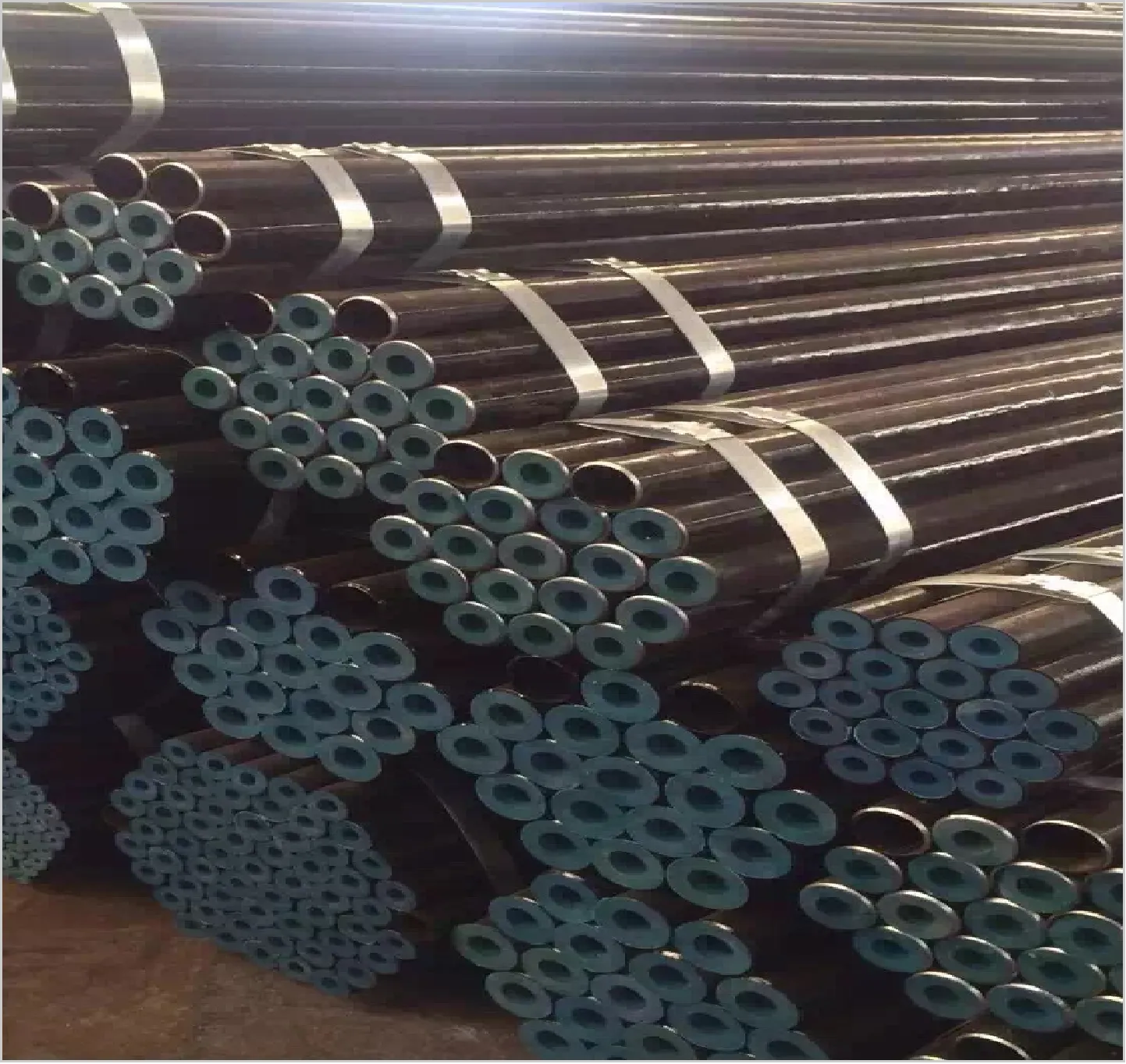
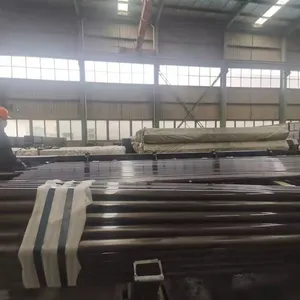
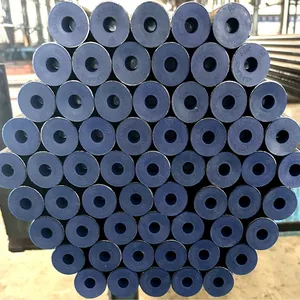
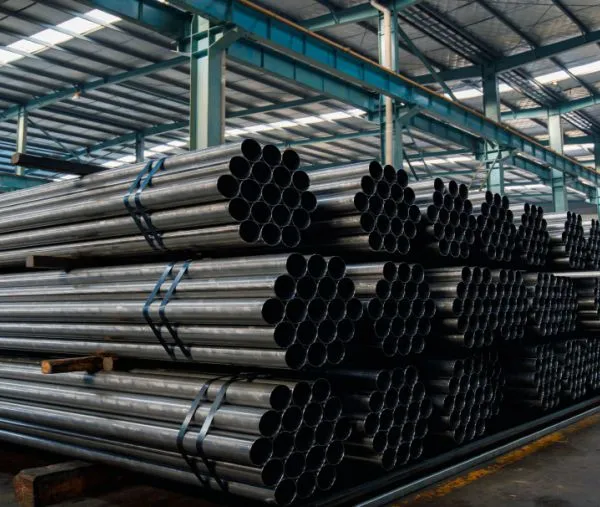
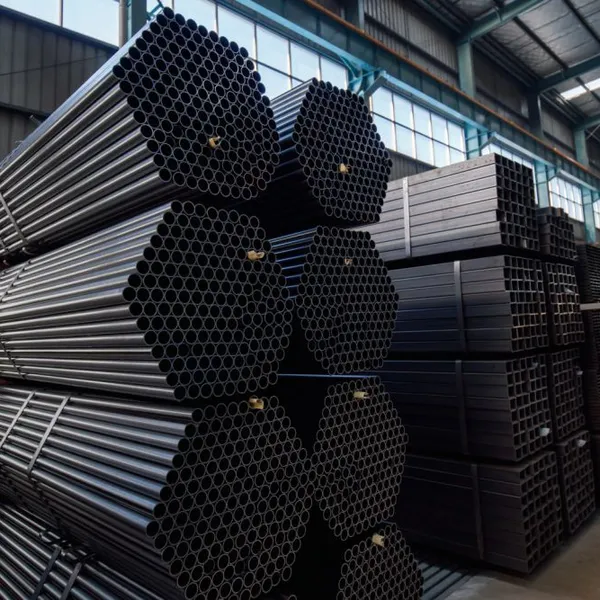
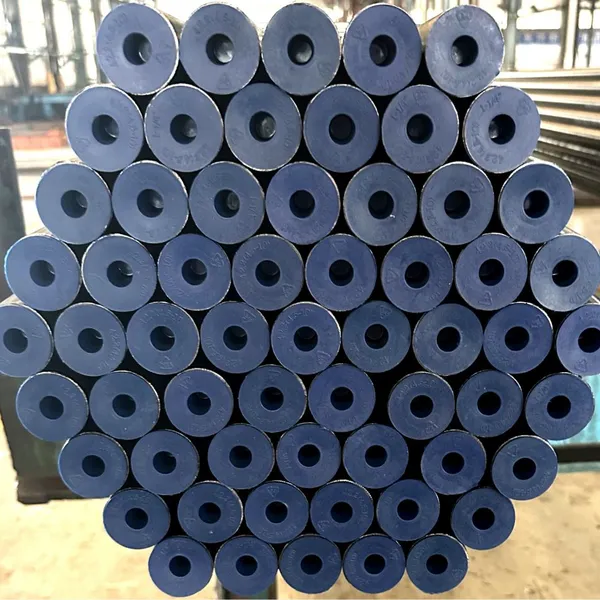
| Packaging | Hexagonal bundles (small OD) or single pieces (large OD) |
| Protection | Anti-rust oil + plastic end caps + bevel protectors |
| Marking | Stencil/spray with Grade, size, schedule, heat number, ASME SA335 |
| Seamless pipe marking | Grade (e.g., P22, P91) clearly marked |
| Documentation | MTC + heat treatment records + UT report |
| Lead time | 15-25 days (stock grades P11, P22), 30-45 days (P91, P92) |
| Port | Tianjin / Shanghai / Guangzhou |
Why Choose Our ASME SA335 Chrome-Moly Alloy Pipe?
| Advantage | Description |
|---|---|
| Chrome-moly specialist | Dedicated line for Cr-Mo alloy grades (P11, P22, P91, P92) |
| Full range of grades | P5, P9, P11, P22, P91, P92 – one-stop sourcing |
| P22 in stock | Industry standard for high pressure steam – ready to ship |
| P91 available | Advanced creep strength for supercritical boilers |
| P92 for ultra-supercritical | Highest temperature capability (620°C) |
| 100% UT tested | Guaranteed internal integrity |
| Full traceability | EN 10204 3.1 MTC with heat number |
| Proper heat treatment | Fully annealed (P22) or normalized/tempered (P91/P92) |
| Welding support | Preheat and PWHT recommendations for Cr-Mo alloys |
| Global export | Shipped to power plants and refineries worldwide |
Contact for Quote – ASME SA335 Alloy Pipe
Please provide the following details for your high temperature alloy pipe project:
Grade : P11 / P22 / P91 / P92 / P5 / P9 / Other _______
Size (NPS) : _______
Schedule / WT : _______
Length : _______ (m / ft)
Quantity : _______ (pieces / meters / tons)
Application : Power plant / Refinery / Petrochemical / Other _______
Service Temperature : _______ °C
End Finish : Plain / Beveled / Threaded
Inspection : Standard / Third-party (SGS/BV/TUV/DNV)
📧 Email: yjhtrade@gmail.com
📞 WhatsApp: +86 15106174543
🌐 Website:
Reply within 24 hours.
FAQ – ASME SA335 Alloy Pipe
Q1: What is ASME SA335 used for?
A: ASME SA335 seamless ferritic alloy steel pipe is used for high temperature service in power plants, refineries, and petrochemical facilities – main steam lines, boiler headers, heater transfer lines, and high pressure process piping .
Q2: What does "Chrome-Moly" mean?
A: Chrome-Moly (Cr-Mo) refers to the two key alloying elements: Chromium (Cr) provides oxidation and corrosion resistance; Molybdenum (Mo) provides high-temperature strength and creep resistance .
Q3: What is the most common ASME SA335 grade?
A: P11 (1.25Cr-0.5Mo) and P22 (2.25Cr-1Mo) are the two most widely used alloy pipe grades globally .
Q4: What is P91 used for?
A: P91 (9Cr-1Mo-V-Nb) is used for supercritical and ultra-supercritical power plants – main steam lines at temperatures up to 593°C (1100°F). It offers significantly higher creep strength than P22 .
Q5: What is the difference between P91 and P92?
A: P92 is an advanced version of P91 with tungsten (W) addition providing ~40% higher creep strength and operating temperature up to 620°C (1150°F) for ultra-supercritical applications .
Q6: What is P5 used for?
A: P5 (5Cr-0.5Mo) is commonly used in refinery heaters and petrochemical cracking furnaces where high chromium content provides superior oxidation and sulfidation resistance .
Q7: What is the maximum temperature for P22?
A: 565°C (1050°F) per ASME B31.1/B31.3 allowable stress tables – standard for subcritical and supercritical power plant steam lines .
Q8: Does P91 require special heat treatment?
A: Yes – P91 must be normalized and tempered (N+T), not simply annealed. Normalizing temperature: 1040-1080°C (1900-1975°F); Tempering: 730-760°C (1350-1400°F) .
Q9: What welding filler metal is required for P91?
A: ER90S-B9 – a specialized 9Cr-1Mo-V-Nb filler metal matching P91 base metal composition. Preheat: 200-260°C, PWHT required .
Q10: Does ASME SA335 require impact testing?
A: Not typically for standard service. However, specific applications (e.g., low temperature start-up) may require Charpy V-notch impact testing. Supplementary requirements S1-S9 are available for additional testing .
Q11: Do you provide third-party inspection?
A: Yes. SGS, BV, TUV, DNV, or any customer-specified agency.
Q12: Do you offer free samples?
A: 30cm sample available for common grades (P11, P22). P91/P92 samples available on request. Shipping fee applies.
Related Products – High Temperature Piping Systems
ASME SA335 – Ferritic alloy pipe (this product)
ASME SA213 – Alloy steel boiler tubes (T11, T22, T91)
ASME SA234 – Alloy steel fittings (WP11, WP22, WP91, WP5, WP9)
ASME SA182 – Alloy steel flanges (F11, F22, F91, F5, F9)
ASME SA387 – Alloy steel pressure vessel plates (Gr.11, Gr.22, Gr.91)
ASME SA336 – Alloy steel forgings
Tags: ASME SA335 Chrome Moly Pipe Cr-Mo Pipe Alloy Steel Pipe P11 Pipe P22 Pipe P91 Pipe P92 Pipe High Temperature Pipe Power Plant Pipe Refinery Pipe
Quick Reference – ASME SA335 Grade Selection
| Application | Recommended Grade | Max Temp | Key Feature |
|---|---|---|---|
| General high temperature | P11 | 538°C | Most common, economical |
| High pressure steam mains | P22 | 565°C | Industry standard for subcritical |
| Supercritical boilers | P91 | 593°C | High creep strength |
| Ultra-supercritical | P92 | 620°C | Highest creep strength |
| Refinery heaters | P5 | 593°C | High Cr – oxidation resistant |
| Severe oxidation | P9 | 593°C | Highest Cr of standard grades |
Alloy Grade Comparison
| Feature | P5 | P9 | P11 | P22 | P91 | P92 |
|---|---|---|---|---|---|---|
| Cr % | 5 | 9 | 1.25 | 2.25 | 9 | 9 |
| Mo % | 0.5 | 1.0 | 0.5 | 1.0 | 1.0 | 0.5 |
| W % | — | — | — | — | — | 1.5-2.0 |
| Tensile (MPa) | 415 | 415 | 415 | 415 | 585 | 620 |
| Max Temp °C | 593 | 593 | 538 | 565 | 593 | 620 |
| Primary Use | Refinery | Refinery | General | Steam | Supercritical | Ultra-supercritical |

Send Inquiry to This Supplier


You May Also Like
-
ASME SA334 Seamless and Welded Alloy Steel Tube – Low Temperature Service Nickel Alloy Grades 3, 7, 8, 9, 11 – Minimum Wall ThicknessNegotiableMOQ: 1 Metric Ton
-
ASME SA334 Seamless and Welded Alloy Tube – Cryogenic ServiceNegotiableMOQ: 1 Metric Ton
-
ASME SA334 – Nickel Alloy Tube Grade Technical DataNegotiableMOQ: 1 Metric Ton
-
ASME SA334 Seamless and Welded Carbon Steel Tube For Low Temperature Service – Carbon Grades 1, 6NegotiableMOQ: 1 Metric Ton
-
ASME SA334 Seamless and Welded Carbon Steel Tube – Low Temperature Service Grades 1~11NegotiableMOQ: 1 Metric Ton
-
ASME SA334 Seamless and Welded Low Temperature TubeNegotiableMOQ: 1 Metric Ton
-
ASME SA334 Carbon Steel Tube Supplier– Carbon Grade Technical DataNegotiableMOQ: 1 Metric Ton
-
ASME SA334 Seamless Alloy Steel Tube For Low Temperature and Cryogenic Service – Nickel Alloy Grades 3, 7, 8, 9, 11NegotiableMOQ: 1 Metric Ton
-
ASME SA334 Seamless Alloy Steel Tube – Low Temperature Service Nickel Alloy Grades 3, 7, 8, 9, 11NegotiableMOQ: 1 Metric Ton
-
ASME SA334 Seamless Alloy Steel Tube – Cryogenic ServiceNegotiableMOQ: 1 Metric Ton


