


 Contact Platform Support
 Help Center
3412ECR Polycarbonate Raw Material, Electrostatic Dissipative Grade for Cleanroom Use

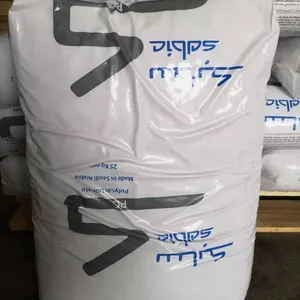
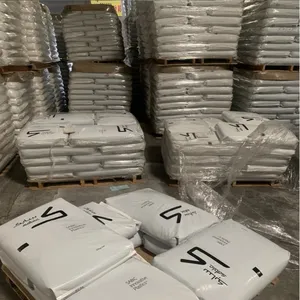
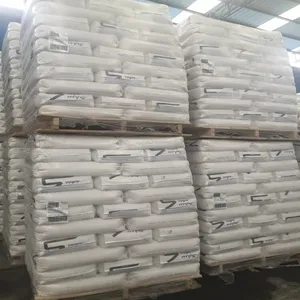
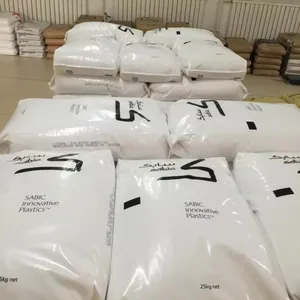
Product Spotlights








Related Products
-
 Polycarbonate Raw Material 925AU‑116 SABIC Virgin Electrical GradeNegotiableMOQ: 1 Kilogram
 -
503R-739 Polycarbonate Resin, Food Contact Compliant Grade for KitchenwareNegotiableMOQ: 1 Kilogram
-
High Heat Resistant Polycarbonate Resin 2412R‑111 SABIC General Purpose Engineering PlasticNegotiableMOQ: 1 Kilogram
-
3413R-131 PC Granules, Glass Fiber Reinforced 20% for Structural ComponentsNegotiableMOQ: 1 Kilogram
-
Polycarbonate Resin 923NC for Injection Molding Thin-Wall PartsNegotiableMOQ: 1 Kilogram
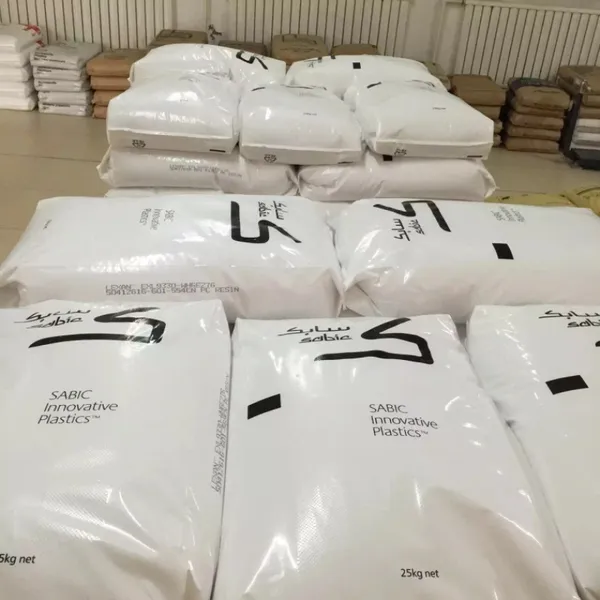
As a specialized manufacturer, Shanghai Wenqin Plastics Co., Ltd. provides high-performance 3412ECR Polycarbonate Raw Material, engineered specifically for electrostatic dissipative (ESD) requirements in controlled environments. This grade addresses the critical need for static charge management in sensitive applications, offering a reliable solution to prevent damage to electronic components and ensure process integrity. Our material combines the inherent toughness and clarity of polycarbonate with controlled conductivity, making it a trusted choice for manufacturers operating in cleanrooms and other precision settings.
Core Product Characteristics & Technical Advantages:
- Engineered Static Control: The 3412ECR grade is formulated to provide a consistent and reliable path for electrostatic dissipation, helping to safely bleed off static charges that can accumulate on surfaces. This property is vital for protecting sensitive devices from electrostatic discharge (ESD) events.
- Cleanroom Compatibility: The material is designed to meet the stringent requirements of cleanroom use. It minimizes particulate generation and is suitable for environments where contamination control is paramount, such as semiconductor manufacturing, medical device assembly, and pharmaceutical processing.
- Polycarbonate Base Benefits: Retains the excellent mechanical properties of standard polycarbonate, including high impact strength, good dimensional stability, and transparency (if required). This ensures the final molded parts are both functional and durable.
- Processing Flexibility: The raw material is supplied in a form compatible with common thermoplastic processing methods, primarily injection molding. It allows for efficient production of complex parts requiring ESD protection.
- Consistent Performance: Manufactured under controlled conditions to ensure uniform electrostatic properties batch-to-batch, providing reliability for critical manufacturing processes.
Technical Specifications & Key Parameters:
| Parameter | Typical Value / Description |
|---|---|
| Material Base | Polycarbonate (PC) |
| Primary Function | Electrostatic Dissipation |
| Target Surface Resistivity Range | Designed for mid-range (e.g., 10^6 to 10^9 ohm/sq) to safely dissipate charge |
| Form | Granules / Pellets (Raw Material) |
| Key Mechanical Property | High Impact Strength |
| Typical Processing Method | Injection Molding |
| Color Availability | Standard and custom colors are customizable |
| Main Application Environments | Cleanrooms, ESD-protected areas, electronics workshops |
Benefits for Your Business:
- Enhanced Product Protection: Using 3412ECR for components like trays, housings, or fixtures in cleanrooms significantly reduces the risk of ESD damage to expensive electronic assemblies, leading to lower failure rates and higher product quality.
- Process Compliance: Helps your manufacturing line comply with industry standards and internal protocols that mandate ESD control in sensitive areas, supporting quality assurance and audit requirements.
- Material Versatility: Allows you to produce parts that need both mechanical robustness (from PC) and static control, simplifying material selection and inventory.
- Operational Safety: Contributes to a safer working environment by mitigating static buildup that could pose risks to personnel or equipment.
- Supply Chain Reliability: Partnering with Wenqin Plastics, a manufacturer with a documented quality management system, provides a dependable source for this specialized material.
Shanghai Wenqin Plastics Co., Ltd., established in 2020 and operating from Shanghai, combines focused expertise with a commitment to quality systems. Our adherence to recognized management standards supports consistent product delivery. Our material reaches global partners through major ports like Shanghai and Ningbo, serving diverse markets from North America and Europe to Asia and Africa. This 3412ECR Polycarbonate Raw Material represents a practical investment in process reliability. For manufacturers facing the challenges of static control in cleanrooms, it offers a proven material solution that balances performance with protection. Contact us to discuss how this ESD-grade polycarbonate can be integrated into your production to safeguard your sensitive operations and enhance output quality.
Frequently Asked Questions (FAQ):
-
Q: What exactly does "Electrostatic Dissipative" mean for this polycarbonate?
A: It means the material is engineered to have a specific electrical resistance that allows static charges to flow off its surface slowly and safely, rather than accumulating suddenly or insulating completely. This prevents rapid discharges that can damage components. -
Q: Can this material be used in ISO Class cleanrooms?
A: Yes, it is designed for cleanroom applications. Its formulation aims to minimize contamination. However, the final suitability for a specific ISO class depends on the exact cleanroom protocols and the part's function; specifications can be discussed for your particular environment. -
Q: Does the ESD property affect the normal molding process for polycarbonate?
A: Generally, it processes similarly to standard polycarbonate in injection molding. Minor adjustments to parameters like temperature or cycle time might be recommended, but it does not require entirely different equipment or techniques. -
Q: Is the electrostatic property permanent, or can it degrade over time?
A: The dissipative property is a built-in characteristic of the material compound and is intended to be stable throughout the service life of the molded part under normal conditions. It is not a surface coating that can wear off. -
Q: What industries are the primary users of this grade?
A: Key industries include electronics manufacturing (for circuit board handling, device housings), medical device production (for cleanroom assembly tools), precision engineering, and any sector where static control is needed alongside plastic part functionality. -
Q: Can we get this material in different colors or with added features?
A: Yes, color options are typically customizable. Other modifications, such as enhanced flame retardancy or specific certifications, may be available upon request; please inquire about your specific needs. -
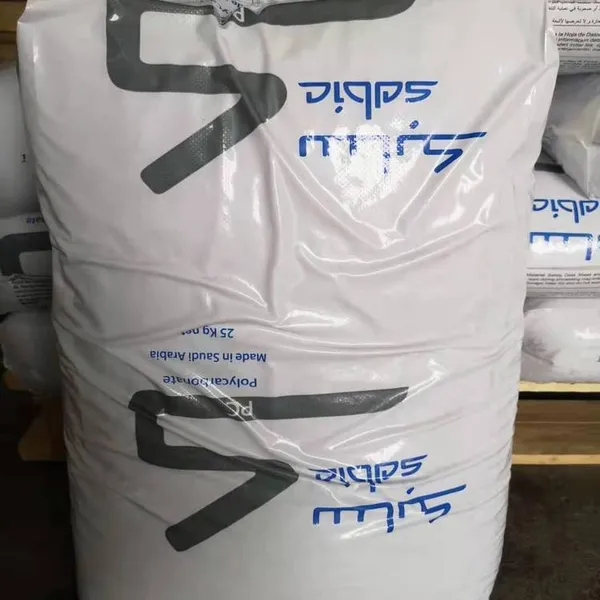
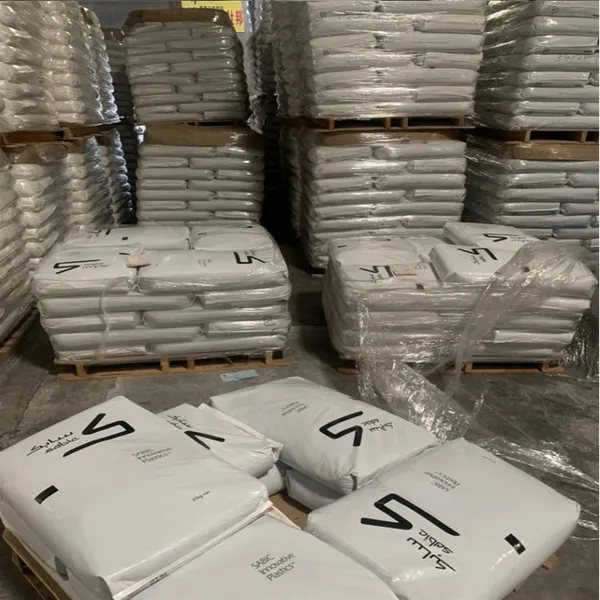
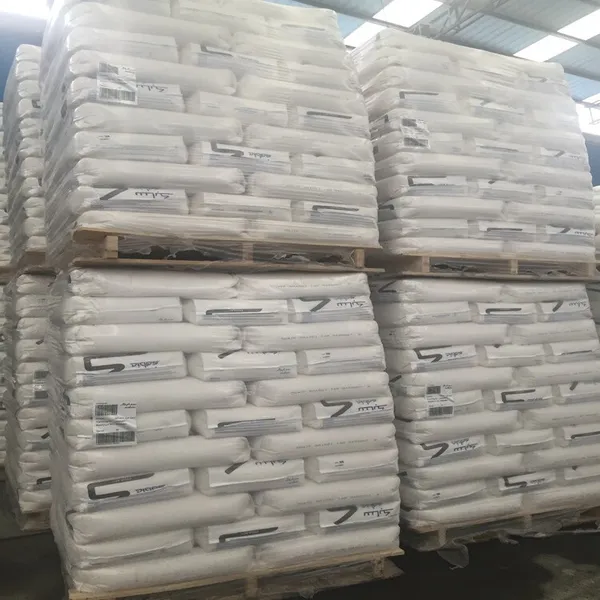
Q: How is the material packaged and shipped?
A: It is usually supplied in sealed bags or boxes to maintain cleanliness and property integrity. Standard packaging details and shipping methods from our ports (Shanghai/Ningbo) can be provided with a quotation. -
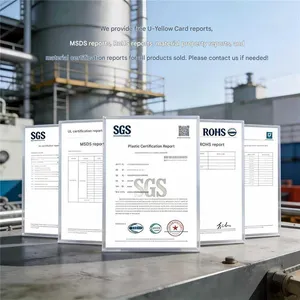
Q: Are test reports or data sheets available for this product?
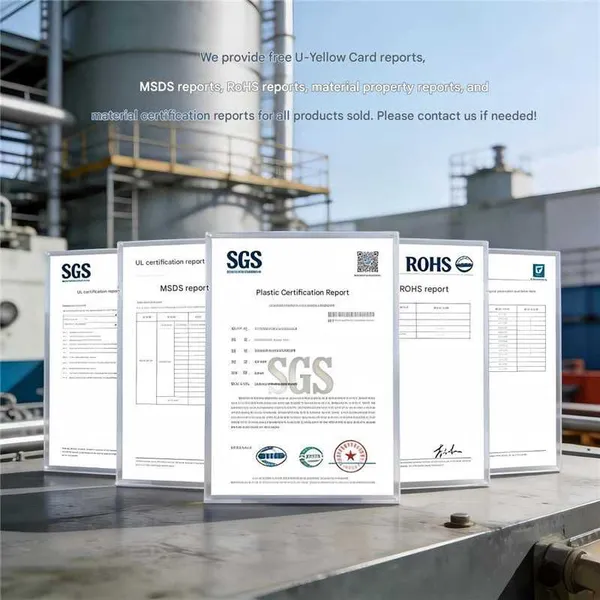
A: Yes, technical data sheets outlining key properties like resistivity, mechanical values, and processing guidelines are available. Specific test reports may be provided upon request to support your qualification process.

Send Inquiry to This Supplier



You May Also Like
-
PC Raw Material 943NC With High Clarity and UV StabilizerNegotiableMOQ: 1 Kilogram
-
Polycarbonate Resin 945AU With 15% Glass Fiber for Enhanced Impact StrengthNegotiableMOQ: 1 Kilogram
-
PC Molding Compound 121R-111 Featuring V-0 Flame Retardant RatingNegotiableMOQ: 1 Kilogram
-
Polycarbonate Granules 920A-116 for High-Temperature Molding ApplicationsNegotiableMOQ: 1 Kilogram
-
PC Molding Compound 505RU-131 With 30% Glass Fiber ReinforcementNegotiableMOQ: 1 Kilogram
-
244RF‑111FC SABIC Engineering Plastic Granules UL94 V‑0 FR for Electrical EnclosuresNegotiableMOQ: 1 Kilogram
-
D151‑701 SABIC Polycarbonate Molding Compound Hydrolysis‑ResistantNegotiableMOQ: 1 Kilogram
-
Polycarbonate Granules C2950 for Automotive Lighting Lens ProductionNegotiableMOQ: 1 Kilogram
-
Engineering Plastic Pellets 925U Offering Low Warpage and High FlowNegotiableMOQ: 1 Kilogram
-
LUX7630C SABIC Virgin Polycarbonate Pellets High Gloss Weather‑Resistant Injection GradeNegotiableMOQ: 1 Kilogram


