


 Contact Platform Support
 Help Center
Coastal Industrial Seawater Chlorination
Product Spotlights




Related Products
-
 Seawater Desalination Sterilization & Algae Removal Turnkey PlantUS$ 100000 - 2000000MOQ: 1 Set
 -
Port Seawater Purification Treatment EquipmentUS$ 100000 - 2000000MOQ: 1 Set
-
Seawater Electrolysis Chlorine Generation System for Offshore Platform Cooling WaterUS$ 100000 - 2000000MOQ: 1 Set
-
Industrial Seawater Anti-Fouling Chlorinator for Coastal Power Plant Cooling WaterUS$ 100000 - 2000000MOQ: 1 Set
-
Eco-Friendly Seawater Disinfection System for Aquaculture & Coastal Water TreatmentUS$ 100000 - 2000000MOQ: 1 Set
1. Product Overview
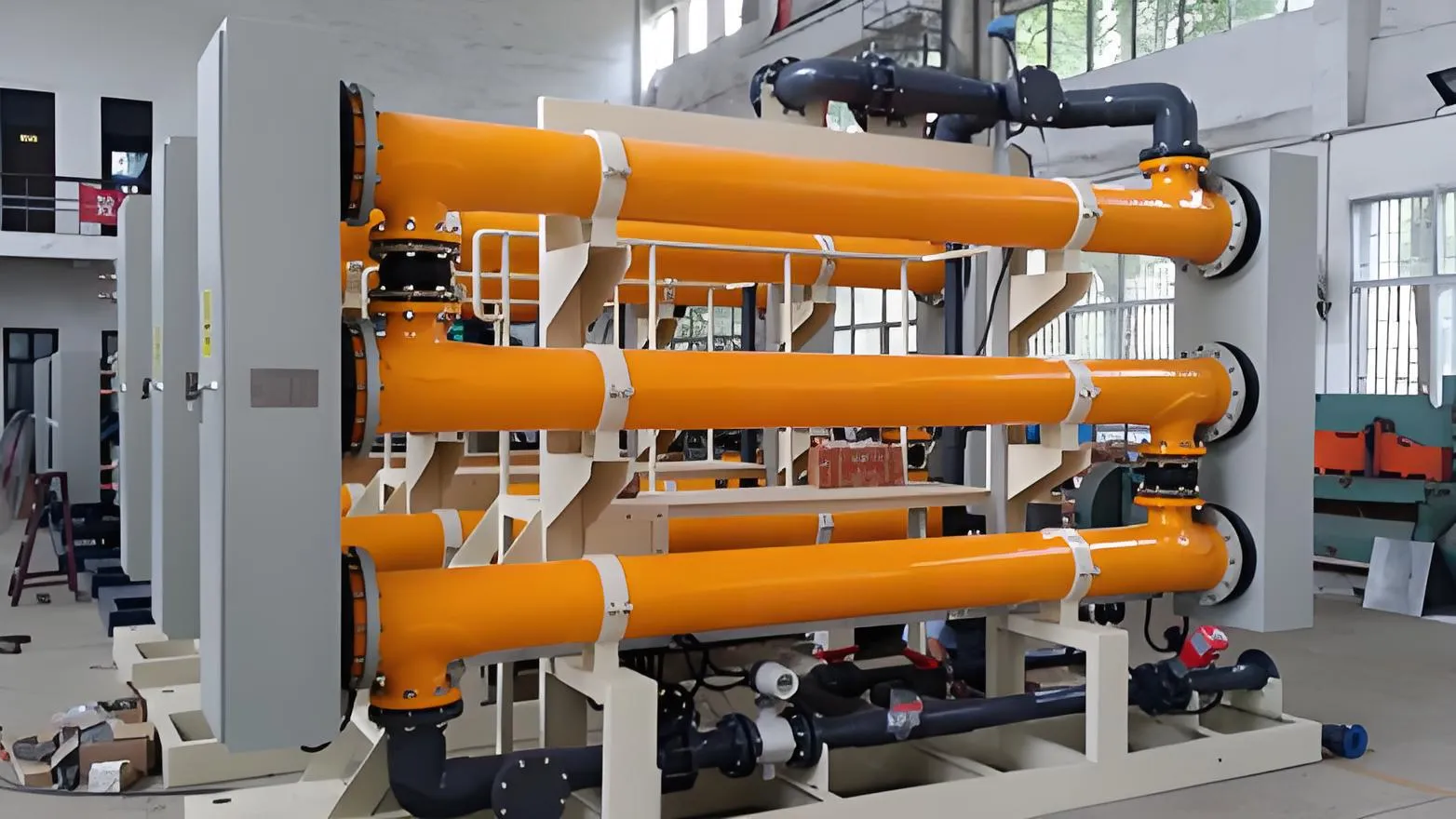
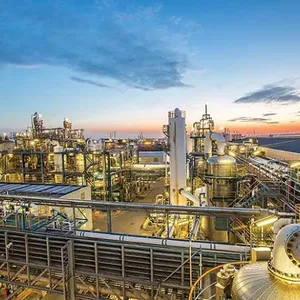
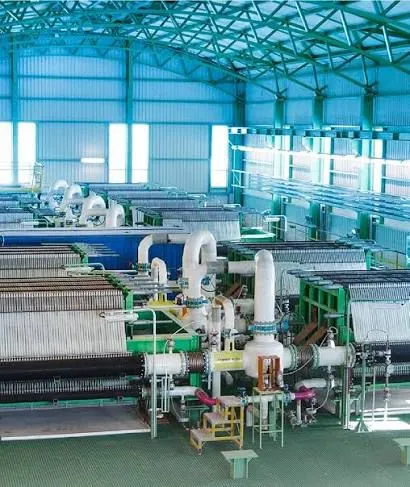
The seawater electrolysis chlorination system is an on-site seawater disinfection and marine antifouling solution developed for industrial and marine water treatment applications. It uses natural seawater as raw material and produces a sodium hypochlorite solution through controlled electrochemical electrolysis. The generated disinfectant is then dosed into seawater intake pipelines, circulating cooling water systems, heat exchangers, desalination pretreatment units and other seawater-related facilities.
This system is particularly suitable for projects located in coastal areas or offshore environments where the supply, storage and management of hazardous chemicals may be difficult, risky or costly. By producing disinfectant on demand, it helps reduce safety risks associated with chlorine gas, liquid chlorine and bulk chemical storage.
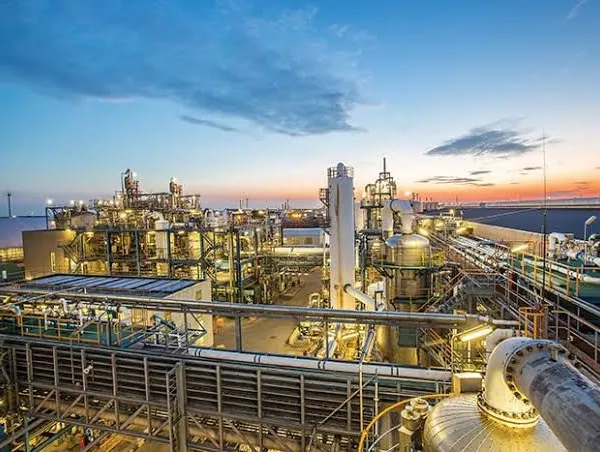
The system is widely used in offshore oil and gas platforms, coastal thermal power plants, nuclear power plants, seawater desalination projects, port terminals, cross-sea engineering facilities and coastal industrial parks. It supports continuous, automatic and unmanned operation, making it suitable for large-scale industrial water treatment and long-term marine operation.
2. Technical Principle
The system works based on the electrochemical electrolysis of seawater. Seawater contains natural sodium chloride, which acts as the electrolyte. When seawater passes through the electrolytic cell, a controlled direct current is applied across the anode and cathode, causing chloride ions to be oxidized at the anode. This reaction produces chlorine, which immediately reacts with seawater to form sodium hypochlorite.
The overall process can be described in three main stages:
Seawater Pretreatment
Before entering the electrolytic cell, raw seawater is filtered and stabilized to remove sediment, suspended solids and large particles. This step protects the electrolytic unit, improves reaction efficiency and reduces the risk of electrode fouling.
Electrolytic Reaction
Under the action of direct current, chloride ions in seawater are converted into chlorine gas at the anode. The chlorine gas then dissolves in seawater and reacts to form sodium hypochlorite, which provides strong disinfection and oxidation properties.
Dosing and Residual Chlorine Control
The produced sodium hypochlorite solution is injected into the target water system through an automatic dosing pump. Online sensors monitor residual chlorine levels, and the control system adjusts the electrolysis current, seawater flow rate and dosing frequency accordingly.
A small amount of hydrogen is produced during electrolysis. The system is equipped with a closed ventilation and discharge structure to handle hydrogen safely and prevent accumulation in confined spaces.
3. Main Features
On-Site Chlorine Generation
The system produces sodium hypochlorite directly from seawater at the project site. There is no need to transport or store liquid chlorine, chlorine gas or large volumes of chemical disinfectants. This reduces safety risks, storage requirements and chemical logistics costs.
High Corrosion Resistance
Key components in contact with seawater are made of titanium alloy and coated with advanced DSA materials. This provides excellent resistance to saltwater corrosion, salt spray, high humidity and long-term marine exposure.
Fully Automatic Operation
The system is controlled by a PLC-based intelligent control panel. It supports automatic start-stop, flow adjustment, residual chlorine monitoring, fault diagnosis, alarm output and remote operation. It can run continuously with minimal manual intervention.
Stable Disinfection Performance
The electrolytic cell structure ensures uniform current distribution and efficient reaction. The effective chlorine concentration remains stable under varying seawater quality, temperature and load conditions, supporting consistent disinfection and antifouling results.
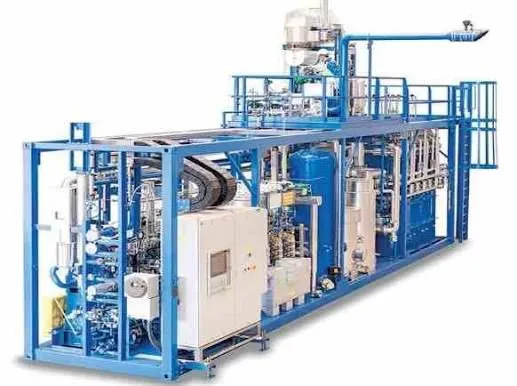
Modular Skid-Mounted Design
The equipment is assembled on a compact skid structure, making it easier to transport, install and commission. It is suitable for both new project construction and existing system retrofitting.
Environmentally Friendly Operation
The system avoids the use of highly hazardous chlorine chemicals. The produced sodium hypochlorite gradually decomposes in water, leaving minimal persistent residues. It helps projects meet marine discharge requirements and environmental protection standards.
4. Core Advantages
Improved Operational Safety
Traditional chlorination methods often involve the storage and handling of dangerous chemicals. This system generates disinfectant on demand, significantly reducing the risk of chemical leakage, poisoning, explosion and storage accidents.
Lower Lifecycle Cost
Although the initial investment in electrolytic chlorination equipment may be higher than simple chemical dosing systems, the long-term operational cost is often lower. It reduces expenses related to chemical procurement, transportation, storage, labor and safety management.
Reliable Performance in Marine Conditions
The system is built to withstand harsh offshore and coastal environments. Titanium alloy electrodes, DSA coating, sealed electrical components and corrosion-resistant piping enable stable operation under high salinity, high humidity and variable temperature conditions.
Flexible Load Adaptation
The system can adjust chlorine production according to actual water demand. It supports variable load operation and can be configured for different capacities, from small marine facilities to large industrial cooling water systems.
Easy Integration with Existing Systems
The equipment can be integrated into existing seawater intake systems, cooling water pipelines, desalination pretreatment units and marine utility systems. It can also be connected to SCADA or remote monitoring platforms for centralized management.
5. Core Components
Titanium Alloy DSA Electrolytic Cell
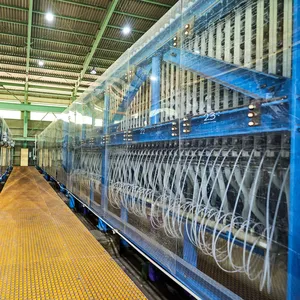
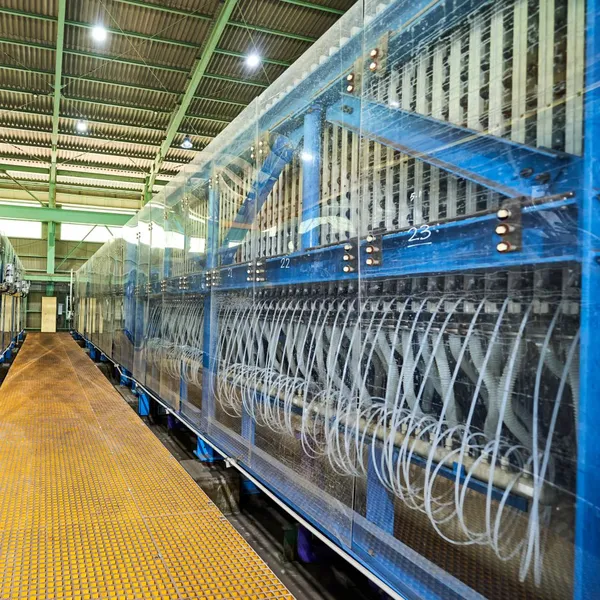
The electrolytic cell is the core of the system. It uses titanium alloy as the base material and is coated with DSA to ensure high conductivity, strong corrosion resistance and long service life. The cell structure is designed to promote uniform electrolysis and reduce scaling.
Intelligent Rectifier Unit
The rectifier converts AC power into stable DC power suitable for seawater electrolysis. It adjusts current and voltage according to real-time operating conditions, helping maintain efficient electrolysis and reduce energy consumption.
PLC Control System
The PLC control unit manages the entire operation process. It includes parameter setting, automatic control, residual chlorine feedback, fault alarm, data recording and remote monitoring functions.
Seawater Pretreatment Module
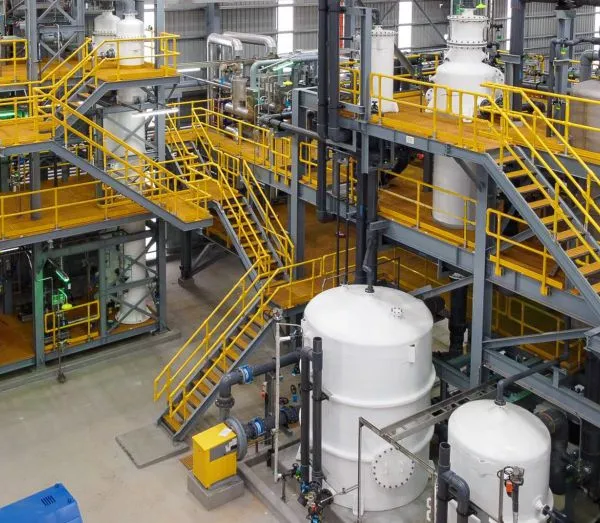
This module includes filters, strainers and pressure stabilization devices. It removes impurities from raw seawater before it enters the electrolytic cell, protecting electrodes and improving system efficiency.
Automatic Dosing and Monitoring Module
The dosing pump delivers sodium hypochlorite solution to the water system. Combined with online residual chlorine sensors, the system can automatically adjust the dosing rate to maintain the target disinfection level.
Hydrogen Ventilation System
A dedicated ventilation structure safely removes hydrogen produced during electrolysis. It prevents hydrogen accumulation and reduces safety risks in enclosed or semi-enclosed equipment rooms.
6. Application Fields
Offshore Oil and Gas Platforms
The system is used for disinfection of seawater supply, cooling water and utility water systems on offshore platforms. It helps control bacteria and marine fouling in pipelines, heat exchangers and process equipment.
Coastal Power Plants
In thermal power plants and nuclear power plants, seawater is often used for cooling. The system prevents biological fouling in cooling water pipelines, condenser tubes and heat exchange equipment, helping maintain stable thermal efficiency.
Seawater Desalination Plants
During the pretreatment stage of seawater desalination, the system reduces microbial contamination and protects reverse osmosis membranes from biological fouling. This helps improve desalination efficiency and extend membrane service life.
Port and Terminal Projects
Ports, docks and coastal terminals often require seawater treatment for intake systems, fire protection pipelines and utility water facilities. The system helps prevent marine organism attachment and pipeline blockage.
Coastal Industrial Parks
Coastal chemical plants, refineries and industrial parks can use the system for seawater cooling water disinfection, equipment protection and environmental compliance management.
Marine Engineering Facilities
Cross-sea bridges, artificial islands, offshore wind power bases and other marine infrastructure projects can benefit from reliable seawater disinfection and antifouling treatment.
Boasting 25 years of professional industry experience in production and supply, Chlory factory delivers premium,cost-effective chemical products with reliable quality. Equipped with fully automatic production systems and scientific modular production line design, we achieve stable output, high efficiency and low energy consumption while strictly complying with industrial standards. Different from ordinary manufacturers, Chlory provides flexible customized services tailored to diverse customer needs on product specifications, packaging and solutions. With direct factory pricing and optimized production processes, we help clients cut procurement costs and obtain high-quality, stable chemical supplies with comprehensive professional support.

Send Inquiry to This Supplier



You May Also Like
-
Electrolytic Seawater Disinfection for Offshore Platform Cooling Water Anti-BiofoulingUS$ 200000 - 2000000MOQ: 1 Set
-
Electrolytic Seawater Treatment for Coastal Power Plant Circulating Water Anti-FoulingUS$ 100000 - 2000000MOQ: 1 Set
-
Electrolytic Seawater Sterilization for Port Coastal Facility Biofouling ControlUS$ 100000 - 2000000MOQ: 1 Set
-
High-Strength Seawater NaClO System for Thermal Power Plant CoolingUS$ 50000 - 300000MOQ: 1 Set
-
Seawater Electrolysis System for Cooling Water Microorganism ControlUS$ 50000 - 300000MOQ: 1 Set
-
5-Year Anode Life Seawater Sodium Hypochlorite Production EquipmentUS$ 50000 - 300000MOQ: 1 Set
-
Seawater Electrolysis Chlorine Generation System Offshore Oil & Gas Platform Cooling Pipeline Marine Biofouling ControlUS$ 100000 - 2000000MOQ: 1 Set
-
Seawater Electrolysis Chlorine Generation for Water Intake Pipeline Marine Organism Growth ControlUS$ 100000 - 2000000MOQ: 1 Set
-
Seawater Electrolysis Chlorine Generation for Nuclear Power Plant Circulating Seawater Anti-BiofoulingUS$ 100000 - 2000000MOQ: 1 Set
-
High-Strength Seawater NaClO System for Thermal Power Plant CoolingUS$ 50000 - 300000MOQ: 1 Set


