


 Contact Platform Support
 Help Center
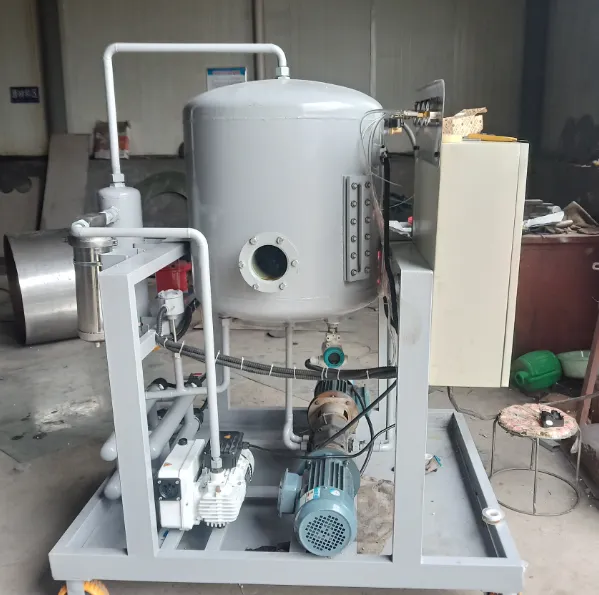
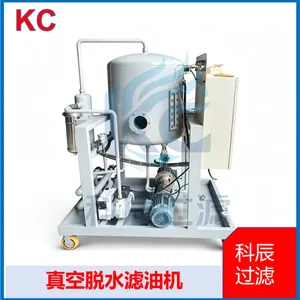
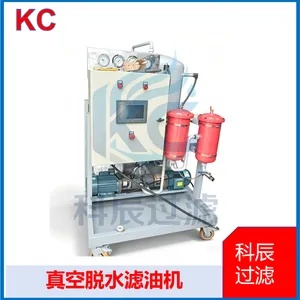
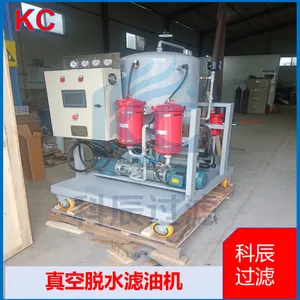
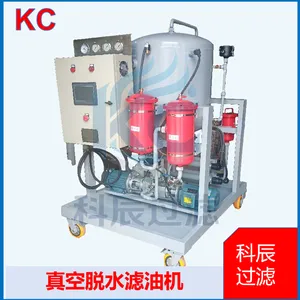
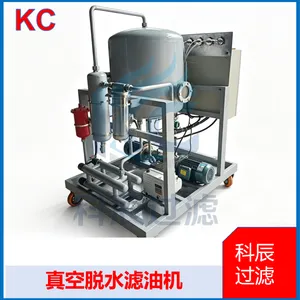
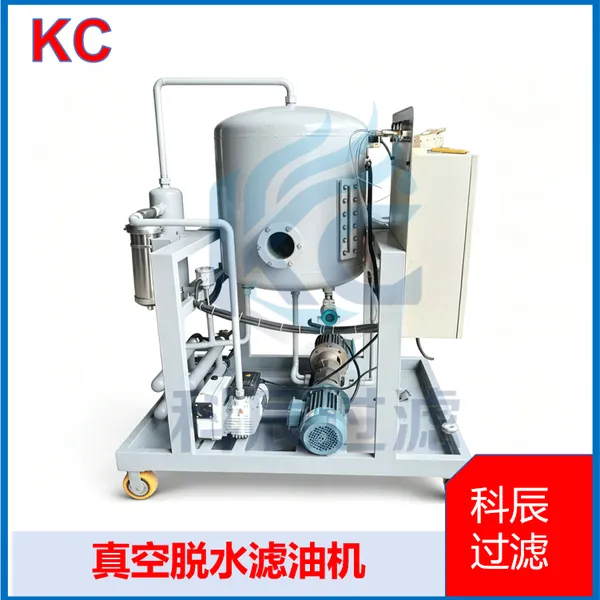
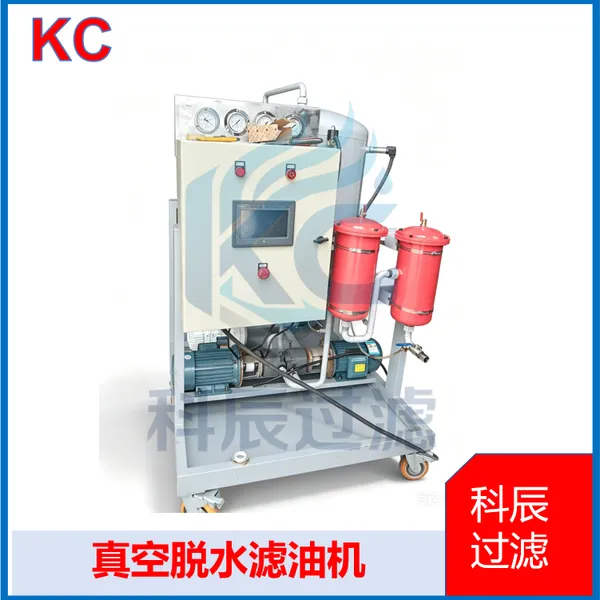
High Efficiency Vacuum Dehydration Oil Purifier for Emulsified & Trace Water Removal
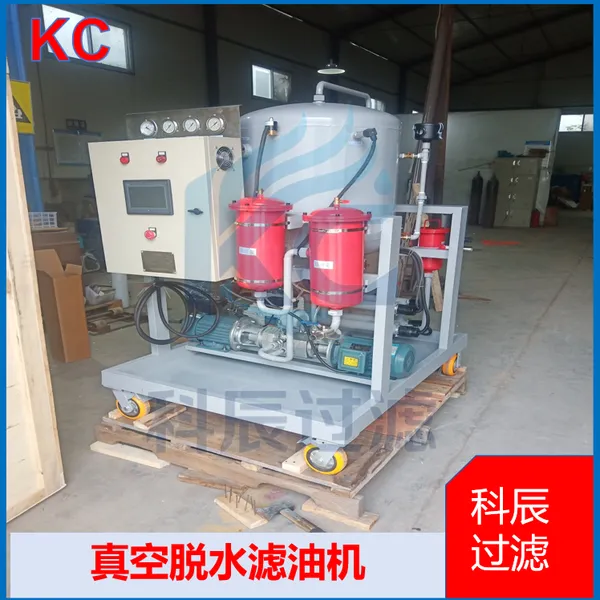
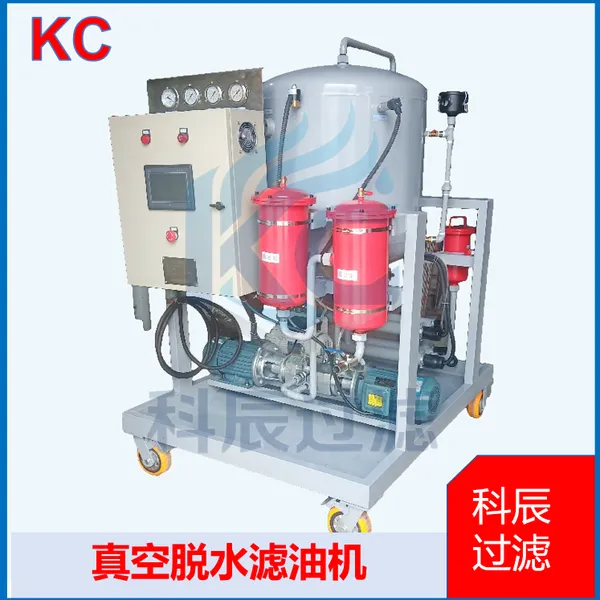
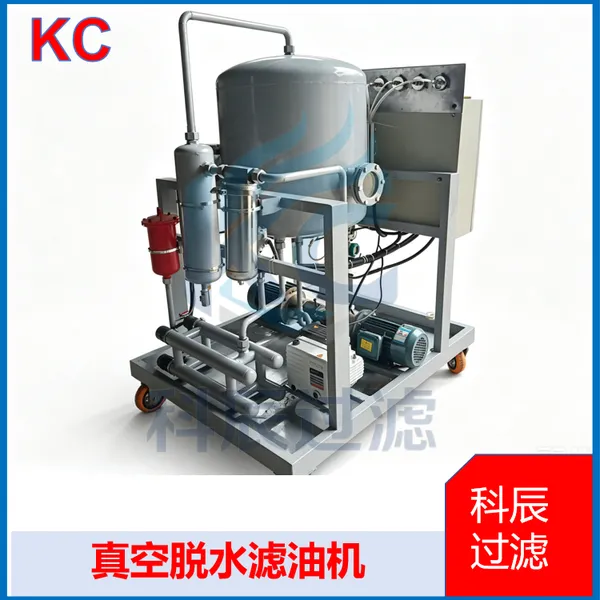
Product Spotlights







Related Products
-
 High Efficiency Vacuum Dehydration Oil Purifier, DemulsificationUS$ 800 - 1000MOQ: 1 Piece
 -
Diesel & Kerosene Coalescing Water Separator High Precision FiltrationUS$ 800 - 1000MOQ: 1 Piece
-
High Flow Diaphragm Pump Filtration Equipment for Wastewater & Chemical Medium PurificationUS$ 800 - 1000MOQ: 1 Piece
-
High Flow Y-type Filter Pipeline Protection for Water and Oil MediaUS$ 800 - 1000MOQ: 1 Piece
-
High Pressure T-type Filter for Solid Impurity Interception in Oil & Gas PipelineUS$ 800 - 1000MOQ: 1 Piece
Brand: MT
Model: MLYJ-Z-****
Working Principle: Vacuum Filtration
Mobility Type: Hand-push Type
Filtration Stages: 5-stage
Oil Cleanliness Class: NAS 3–10
Connection Type: Quick couplings equipped with oil hoses
Working Pressure: <0.6 MPa
Surface Finish: Plastic-sprayed Coating
Mounting Form: Wheeled base with brakes
Design Standards:GB/T26114-2010 General Technical Specification for Liquid Filters JB/ZQ-4554-1997 Technical Specification for Filters JB/T6632-1993 Filters for Mechanical Seal Systems
Filter Element Standard:GB/T1404.1/2/3-2007 Filter Element Structural Integrity Test
Noise Test Standard:GB/T4214.1-2000 Noise Test Methods
Scope of Application
On-line circulating filtration and cleanliness improvement for steam turbine oil
Filtration and purification of aviation kerosene and lubricating oil
Water removal and contaminant filtration for hydraulic and lubricating oil
Regeneration and comprehensive cleanliness treatment of lubricating oil
Purification and impurity removal of transformer oil
Regeneration and purification for various types of oil
Brief Introduction:
Different liquids have different saturated vapor pressures. At 70°C, water starts boiling at approximately 3×10⁴ Pa, whereas oil boils only under ultra-low pressure of 5 Pa. At the same temperature, the saturated vapor pressure of oil is far lower than that of water. Therefore, when vacuum pumping reduces the pressure above the oil surface below the saturated vapor pressure of water, moisture inside the oil will undergo intense vaporization and escape from the oil in the form of steam.
Driven by vacuum suction, oil flows into the vacuum tank from the top and sprays downward through nozzles. Moisture in the oil vaporizes inside the vacuum chamber and is extracted by the vacuum pump. Dehydrated oil is discharged from the bottom. Oleophilic packing materials are filled in the middle section of the vacuum chamber. The sprayed oil spreads over the surface of packing media to form ultra-thin oil films, expanding the gas-liquid interfacial area and extending the residence time of oil in the gaseous phase.
The vacuum dehydration efficiency mainly depends on operating vacuum degree and oil temperature. Lower vacuum pressure and higher temperature deliver better dehydration performance. The oil temperature is generally controlled at around 60°C; excessive temperature will accelerate oil oxidation. For hydraulic oil, the vacuum degree is normally set at 600–700 Pa, which can reduce water content in oil to below 100 ppm. For transformer insulating oil, a higher vacuum degree can be adopted to lower water content down to 10 ppm. Vacuum dehydration can effectively remove water in all forms from oil, as well as air and various volatile substances contained in the oil.
Vacuum System
It consists of a vacuum tank, vacuum pump, condensation tank, liquid collecting tank and air make-up system. Optimized structural design greatly increases the surface area of oil exposed in the vacuum system and maximizes the travel path of oil, enabling sufficient escape of moisture and gas from oil. Equipped with an advanced anti-foam system, the unit prevents oil spraying, a common fault found on similar products during operation.
Filtration System
Three-stage filtration configuration is adopted. The suction-side coarse filter protects the oil pump and extends the service life of main filters. Two fine filters are installed after the pump to rapidly achieve high oil cleanliness. The filter media adopts special glass fiber with graded pore sizes, which traps particles of different sizes layer by layer and greatly prolongs filter element service life. The well-designed filter element structure effectively reduces surface flow velocity of filter media and maintains stable filtration accuracy.
Heating System
Staged gradual heating is applied with surface heat load less than 1.0 W/cm² to avoid oil deterioration caused by overheating. The oil temperature can be adjusted arbitrarily between 0–100°C with automatic temperature control. Protection devices are configured; the heater will stop automatically when the oil inlet flow is insufficient to prevent heater damage from dry burning.
Working Principle Diagram:
This unit is equipped with a series of automatic control instruments including frequency converter, liquid level transmitter, temperature sensor and vacuum sensor to collect various operating data. The data is processed by the central processor, which automatically controls the operation of the whole equipment and monitors its working status. The machine is fitted with multiple protection devices, such as overload protection, overvoltage protection, phase sequence protection and emergency shutdown protection for abnormal operation, ensuring safe equipment operation.

Send Inquiry to This Supplier


You May Also Like
-
Corrosion Resistant Straight-through Basket Filter for Slurry, Wastewater & CoatingsUS$ 800 - 1000MOQ: 1 Piece
-
Quick Switch High-Low Basket Filter On-line Cleaning With One Working & One StandbyUS$ 800 - 1000MOQ: 1 Piece
-
Cyclonic Air & Dirt Separator for Heating System to Eliminate Air Lock and SedimentUS$ 800 - 1000MOQ: 1 Piece
-
Corrosion Resistant Cyclone Desander for Solid-Liquid Separation in Mine WaterUS$ 800 - 1000MOQ: 1 Piece
-
No Shutdown Hand-operated Y-Strainer for Circulating Water FiltrationUS$ 800 - 1000MOQ: 1 Piece
-
Stainless Steel Hand Brush Basket Strainer Anti-clogging for Circulating WaterUS$ 800 - 1000MOQ: 1 Piece
-
Differential Pressure Controlled Self-cleaning Strainer, Anti-clogging Automatic BrushingUS$ 800 - 1000MOQ: 1 Piece
-
Vertical Mounted Multi-cartridge Automatic Self-cleaning Filter With Parallel Filter ElementsUS$ 800 - 1000MOQ: 1 Piece
-
Differential & Timing Control Horizontal Self-cleaning Filter for Anti-clog Circulating WaterUS$ 800 - 1000MOQ: 1 Piece
-
Differential & Timing Control Y-type Brush Filter for Municipal Water Pipeline PurificationUS$ 800 - 1000MOQ: 1 Piece


