


 Contact Platform Support
 Help Center
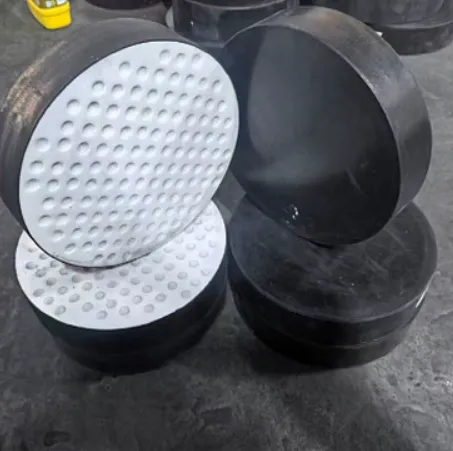
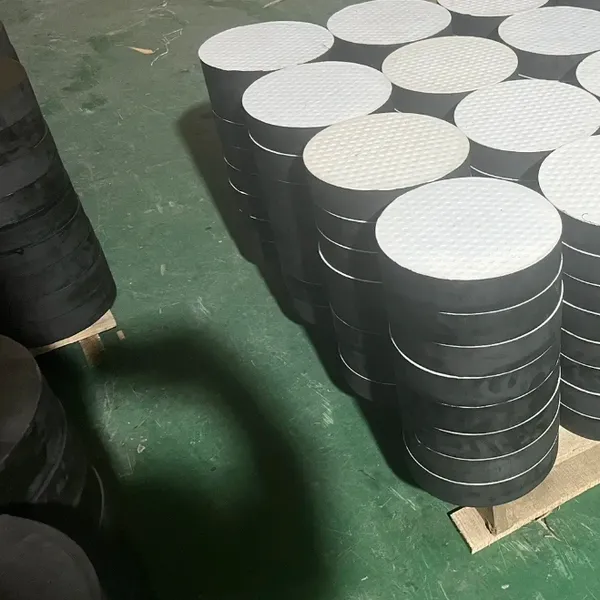
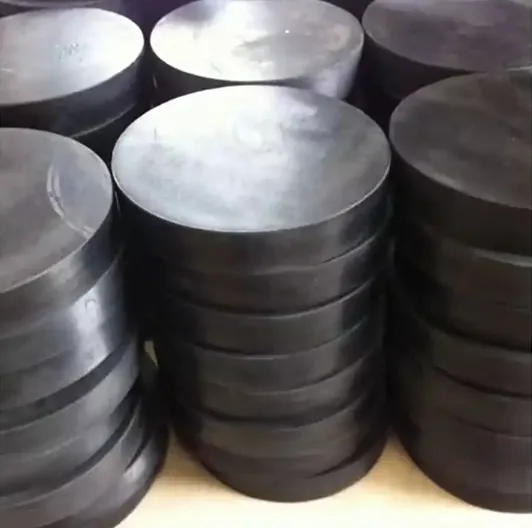
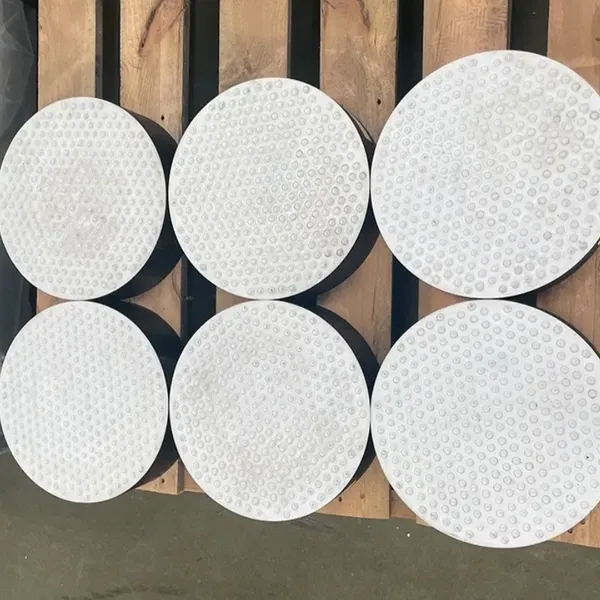
Elastomeric Bridge Rubber Bearing, 60 Shore A Hardness, -40°C to +70°C Temperature Range
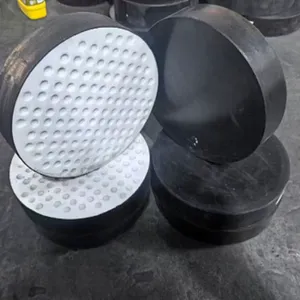
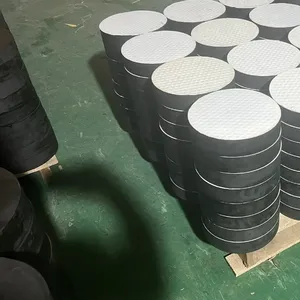

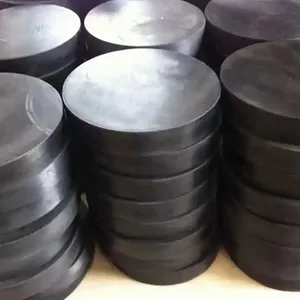
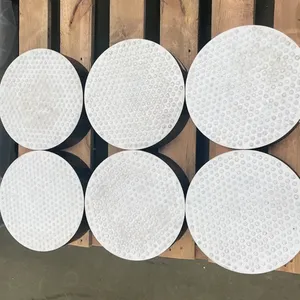

Product Spotlights



Related Products
-
 Bridge Rubber Bearing With Steel Plate Reinforcement, 10% Damping Ratio, ISO 9001 QualityNegotiableMOQ: 300 Blades
 -
Custom Bridge Rubber Bearing, 25mm Neoprene Layer, 0.5mm Steel Plate, Fatigue TestedNegotiableMOQ: 300 Blades
-
Bridge Rubber Bearing for Highway Viaduct Construction, 1000kN Capacity, Seismic ResistantNegotiableMOQ: 300 Blades
-
Bridge Rubber Bearing With 5-Year Warranty, Mill Test Report Included, Technical SupportNegotiableMOQ: 300 Blades
-
Elastomeric Bearing Pad for Pedestrian Bridge, UV Resistant, 40-Year Service Life DesignNegotiableMOQ: 300 Blades
Hengshui Ruibin New Materials LLC is a professional manufacturer specializing in elastomeric bridge bearings. With over 5 years of experience and a dedicated team of 101–200 employees, we have delivered high-quality bearing systems to diverse markets spanning North America, South America, Europe, Asia, Africa, and Oceania. Our Elastomeric Bridge Rubber Bearing with a 60 Shore A hardness and a wide temperature range of -40°C to +70°C is engineered to provide reliable support and movement accommodation for modern bridge structures. Manufactured in our 1,000–3,000 sqm facility, each bearing undergoes strict quality control to ensure consistent performance and long service life.
This elastomeric bearing is designed to absorb vertical loads, accommodate horizontal movements, and allow rotation caused by thermal expansion, traffic loads, and seismic events. The 60 Shore A hardness offers an optimal balance between load-bearing capacity and flexibility, making it suitable for a wide range of bridge types and environmental conditions. The -40°C to +70°C temperature range ensures reliable performance in extreme climates, from cold northern regions to hot desert areas.
Key Features & Technical Specifications
- High Load Capacity: Designed to support bridge superstructures with minimal deflection, distributing loads evenly to the substructure.
- Excellent Flexibility: 60 Shore A hardness provides adequate stiffness for vertical loads while allowing lateral and rotational displacements.
- Wide Temperature Tolerance: -40°C to +70°C operating range ensures material stability and elasticity in extreme weather.
- Durable Elastomeric Compound: Made from high-quality natural rubber or synthetic rubber (NR, Neoprene, EPDM) – customizable per project requirements.
- Steel Lamination Option: Internal steel plates (if required) enhance load-bearing capacity and prevent bulging under high compression.
- Corrosion-Resistant: The rubber compound resists ozone, UV, and aging, with optional anti-corrosion coating for steel plates.
- Easy Installation: Pre-formed pads with smooth surfaces simplify placement between bridge girder and abutment/pier.
- Customizable Dimensions: Available in rectangular, square, or circular shapes; thickness, width, and length are tailored to your bridge design.
| Parameter | Value |
|---|---|
| Hardness (Shore A) | 60 ± 5 |
| Working Temperature Range | -40°C to +70°C |
| Tensile Strength (min) | 15 MPa (typical) |
| Elongation at Break (min) | 400% |
| Compression Set (70°C, 24h) max | 30% |
| Ozone Resistance (50 pphm, 40°C, 100h) | No cracks |
| Aging Resistance (70°C, 168h) | Tensile strength retention ≥ 80% |
| Maximum Allowable Compressive Stress | 10–15 MPa (depending on shape factor) |
| Maximum Shear Strain | 50% of pad thickness |
Benefits to Your Bridge Project
- Extended Service Life: Superior aging and ozone resistance reduce maintenance costs and replacement frequency.
- Seismic Performance: The elastomeric layer absorbs and dissipates energy during earthquakes, protecting the bridge structure.
- Cost-Effective: Lower initial cost compared to pot bearings or spherical bearings, with minimal maintenance required.
- Noise & Vibration Damping: Rubber material naturally reduces noise transmission and vibration from traffic.
- Adaptability: Suitable for both new construction and retrofitting of existing bridges.
- Global Compliance: Our bearings are designed to meet international standards such as AASHTO (USA), BS EN 1337 (Europe), and other regional specifications – please consult our team for your specific requirements.
Trusted by Engineers Worldwide
Hengshui Ruibin New Materials LLC has been a reliable manufacturer since 2019, with an annual export value of US$2.5–5 million. Our factory spans 1,000–3,000 square meters, equipped with advanced rubber mixing, molding, and testing equipment. We serve markets across North America, South America, Eastern Europe, Southeast Asia, Africa, Oceania, the Middle East, Eastern Asia, Western Europe, Central America, Northern Europe, South Asia, and the domestic market. Our products are shipped from the ports of Tianjin and Qingdao with efficient logistics.
We have a dedicated quality control team that performs rigorous tests on every batch, including hardness, tensile strength, compression set, ozone resistance, and dimensional checks. Our bearings are produced under a quality management system, and we offer customization services to meet unique project specifications. With a workforce of 101–200 experienced professionals, we ensure timely delivery and responsive customer support.
Contact us today to discuss your bridge bearing requirements. Our engineers will provide technical recommendations, free samples (upon request), and competitive pricing. Let us partner with you for a safe, durable, and cost-effective bridge solution.
Frequently Asked Questions (FAQ)
Q1: What is the difference between plain elastomeric bearing and steel-reinforced bearing?
A: Plain elastomeric bearings (without steel plates) are used for light loads and small movements. Steel-reinforced bearings have internal steel laminations that increase vertical stiffness and load capacity, making them suitable for heavy bridges. Both are available from our factory.
Q2: Can you provide bearings with a different hardness than 60 Shore A?
A: Yes, we can customize hardness from 50 to 70 Shore A according to your design requirements. Our standard 60 Shore A offers a good balance, but we can adjust the compound formula.
Q3: How do I determine the correct size of bearing for my bridge?
A: The size depends on the vertical load, horizontal movement, rotation angle, and shape factor. We recommend providing your bridge design parameters to our engineering team, who will calculate the optimal dimensions and provide a detailed proposal.
Q4: What is the shelf life of these bearings?
A: When stored in a cool, dry place away from direct sunlight and ozone sources, the bearings can be stored for up to 5 years without significant degradation. We recommend using them within 2 years for best performance.
Q5: Do you offer testing certificates for material properties?
A: Yes, we provide a mill test certificate (MTC) for each production batch, including hardness, tensile strength, elongation, and compression set. Third-party testing is also available upon request at an additional cost.
Q6: How do you ship the bearings? What is the packaging?
A: Bearings are packed in wooden crates or pallets with protective layers to prevent deformation during transit. We ship via sea freight from Tianjin or Qingdao port. For small orders, air freight is also possible.
Q7: Can these bearings be used in seismic zones?
A: Yes, elastomeric bearings are widely used in seismic applications because they can accommodate lateral displacements and dissipate energy. For high-seismic areas, we can provide bearings with higher damping properties or recommend lead-core bearings (if needed).
Q8: What is the typical lead time for custom orders?
A: For standard sizes, lead time is 15–20 days after order confirmation. For custom dimensions or special compounds, it may take 25–35 days. We always aim to meet your project schedule.

Send Inquiry to This Supplier



You May Also Like
-
High Displacement Bridge Rubber Bearing, ±50mm Horizontal Movement, 500kN Vertical LoadNegotiableMOQ: 300 Blades
-
Elastomeric Bridge Bearing Pad, Shore A 60±5 Hardness, 200x200x50mm, Standard CompliantNegotiableMOQ: 300 Blades
-
Pre-Compressed Bridge Rubber Bearing, Guaranteed 30-Year Durability, Free Installation GuideNegotiableMOQ: 300 Blades
-
Tapered Bridge Rubber Bearing for Inclined Girders, 800kN Load, 20mm Shear DeflectionNegotiableMOQ: 300 Blades
-
Laminated Bridge Rubber Bearing With Steel Plate Reinforcement, Load Capacity 1000kN, Rotation 0.02radNegotiableMOQ: 300 Blades
-
Pot Type Bridge Rubber Bearing, 1500kN Capacity, 0.03rad Rotation, Sealed SystemNegotiableMOQ: 300 Blades
-
Natural Rubber Bridge Bearing, 1500kN Vertical Load, 50mm Maximum Horizontal DisplacementNegotiableMOQ: 300 Blades
-
Bridge Rubber Bearing With PTFE Sliding Surface, Low Friction Coefficient 0.05, 1000kNNegotiableMOQ: 300 Blades
-
Bridge Rubber Bearing for Highway Bridge Construction, Durable Support for Concrete GirdersNegotiableMOQ: 300 Blades
-
Natural Rubber Bridge Rubber Bearing With 2000kN Load Capacity, 50mm Displacement, 60±5 Shore A HardnessNegotiableMOQ: 300 Blades


