


 Contact Platform Support
 Help Center
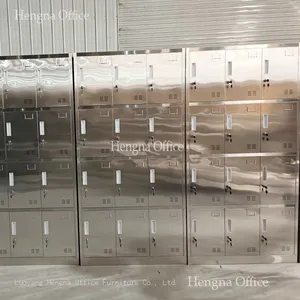
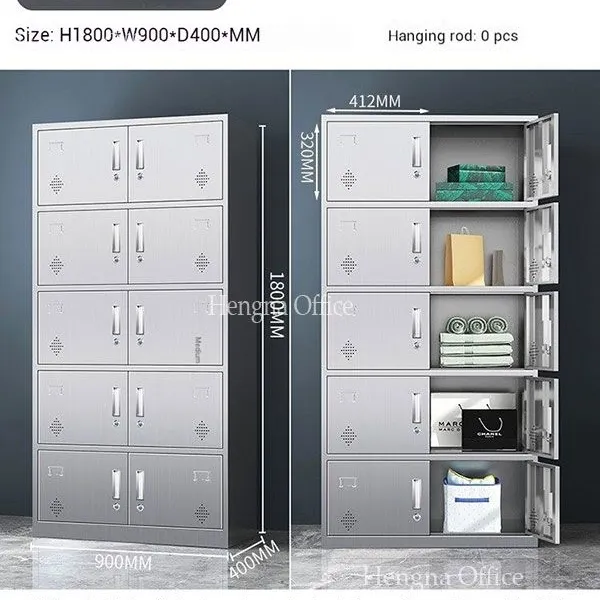
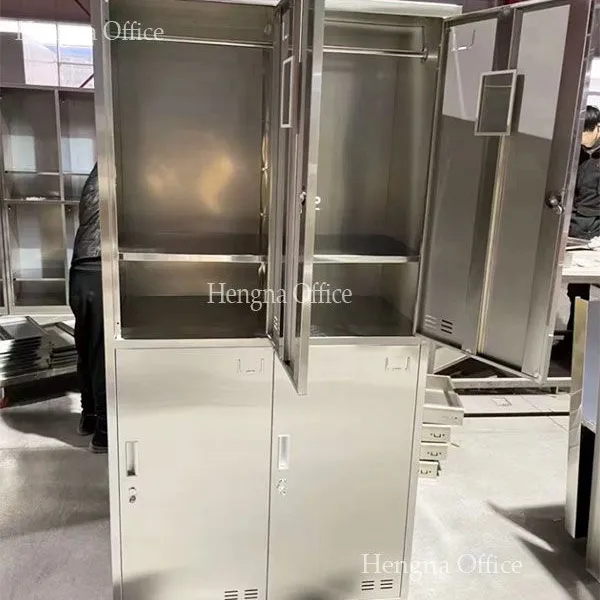
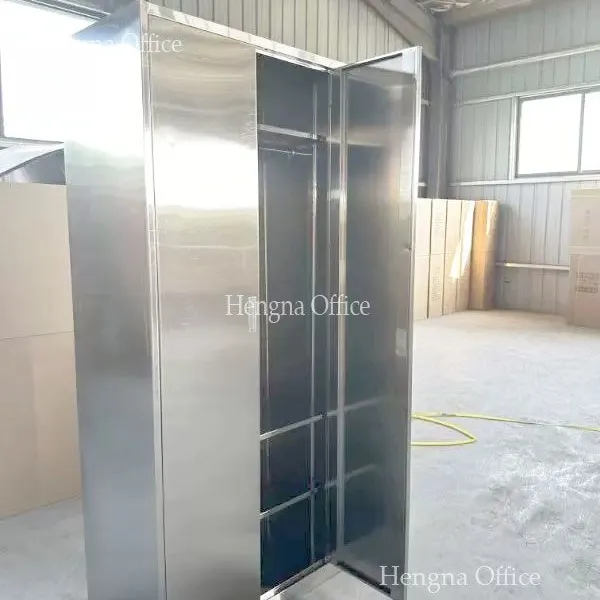
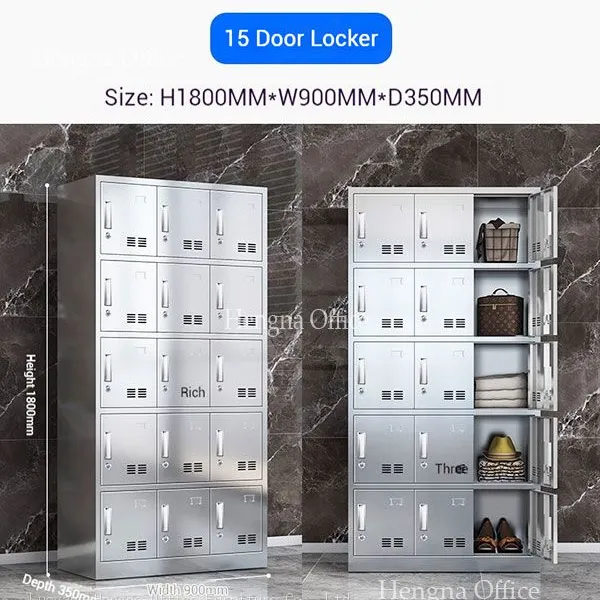
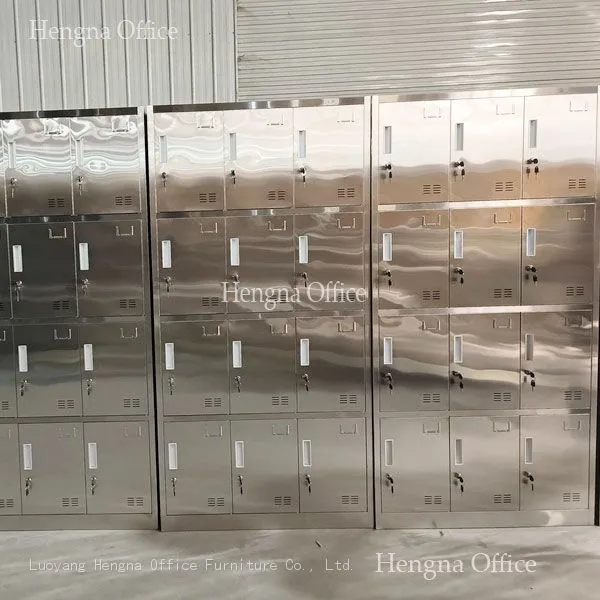
Seamless Stainless Steel Lockers for Cosmetics Plants — No Dirt Traps, Fully GMP Compliant
Product Spotlights




Related Products
-
 Why Do Dairy Plants Pick Stainless Steel Lockers — CIP-Grade Washdown, No Rust TrapsUS$ 95 - 220MOQ: 5 Combos
 -
Built to Take the Daily Washdown — Stainless Steel Lockers for Brewery Staff Changing RoomsUS$ 95 - 220MOQ: 5 Combos
-
Central Kitchen Changing Room Lockers — Stainless Steel, Built for Rinse-Down, High TrafficUS$ 95 - 220MOQ: 5 Combos
-
Lockable Steel Filing Cabinet for Office Document Storage, 3/4 Drawers, OEM/ODMUS$ 30 - 80MOQ: 5 Combos
-
Large Capacity Blueprint Drawer Cabinet | Perfect for Architects & Engineers Maximum Storage Solution for High-Volume Document ManagementUS$ 50 - 1300MOQ: 5 Combos
Seamless Stainless Steel Lockers for Cosmetics Plants — No Dirt Traps, Fully GMP Compliant
Most cosmetics plant audits don't fail in the production hall. They fail at the door — in the changing room.
That surprises people. The filling line gets all the attention: cleanroom grades, air handling, environmental monitoring. Meanwhile, staff walk in through a changing room fitted with laminate lockers, and nobody thinks twice. That's where the audit trail gets messy.
If you're specifying lockers for a cosmetics or personal care facility, three things decide whether they pass an audit or become a finding. Here's what most buyers get wrong.
Three Things Buyers Get Wrong
Wrong idea 1: The audit only covers the production area.
A GMP audit follows people, not just products. Auditors walk the same route a worker walks — street, changing room, wash station, production floor. If the changing room is the weakest link, that's where the report lands. Lockers with peeling coating, swollen edges, or dirt sitting in the seams get written up. It's not really about the locker. It's about whether your contamination control holds at the doorway.
Wrong idea 2: Stainless steel is stainless steel.
Two lockers can both say "stainless steel" and behave nothing alike. The difference is in the build — weld quality, edge finishing, and whether the surface gives dirt anywhere to sit. A rough weld is a dirt trap. A sharp inner corner is a dirt trap. A bolt sticking through the panel is a dirt trap. The material is only half the story.
Wrong idea 3: A sealed locker is a clean locker.
Sealing everything up sounds hygienic. In practice, a fully sealed steel box traps moisture from damp workwear. That moisture sits there, and the inside starts to smell. Cosmetics plants often run warm, humid rooms. Lockers need controlled airflow, not a sealed lid.
What a Cosmetics Changing Room Is Actually Fighting
You can't spec a locker properly until you know what it's up against. In a cosmetics plant, the changing room sits between the outside and your controlled area. Everything a worker carries in passes through it.
| Contaminant | How it travels | What stops it |
|---|---|---|
| Street dust and fibres | On outer clothing and shoes | Separate storage for street clothes and workwear |
| Skin cells and hair | Shedding, on garments | Enclosed storage, easy-to-clean surfaces |
| Moisture and sweat | Damp workwear after a shift | Ventilated design, quick-dry surfaces |
| Fragrance and product residue | Carried on clothes, absorbed by materials | Non-porous surfaces that don't hold odour |
| Cleaning chemicals | Aerosol from washdown | Stainless surfaces that survive sanitiser |
That last row matters more than people expect. Your facility handles fragrance compounds and actives. A porous locker surface absorbs odour. Over time, your changing room smells like a blend of whatever production ran last week. Non-porous stainless doesn't hold onto it, so the smell goes down the drain with the wash water.
Why "Seamless" Is the Word That Matters
"Seamless" isn't marketing. It's a build standard you can check with your own eyes.
Walk up to a locker and run your eye along the inside corners. You're looking for:
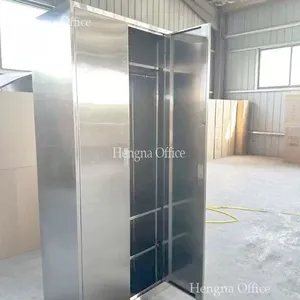
Welds ground smooth, not left rough
No visible gap where panel meets panel
Rounded inner edges instead of sharp 90-degree corners
Fixings that don't protrude into the storage space
A base you can see under, and mop beneath
Anything you can't reach with a cloth becomes a place where residue builds up. Auditors don't swab every corner, but they do open doors and look. A changing room that reads as easy to clean tells an auditor your facility takes hygiene seriously.
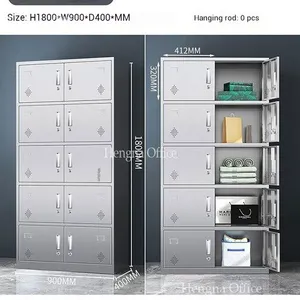
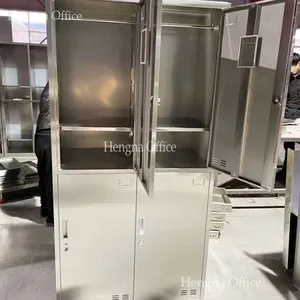
There's a commercial angle too. Lockers that are quick to wipe down get wiped down. Lockers that are fiddly get skipped. Over a year, that difference shows up in your environmental monitoring results. If you want to see how a seamless build compares with standard welded units, our stainless steel changing room lockers page breaks down the construction details.
Layout Mistakes That Undo Good Lockers
You can buy perfect lockers and still fail the room. These layout problems cancel out the money you spent.
Lockers flat on the floor. Cleaning crews can't get a mop underneath. Damp collects at the base and works upward.
Lockers facing a blank wall, backs against the vent. Workwear never dries. The inside stays humid all shift.
One shared route in and out. Dirty and clean flows cross, which is exactly what a GMP auditor looks for.
Too few compartments. When lockers run out, bags and coats end up on benches and floors.
Benches crammed against lockers. No room to change comfortably, so clothes get draped over doors.
None of these need a bigger budget. They need a layout drawn before you order. A simple plan showing locker positions, airflow, and the dirty-to-clean path saves most of these problems.
What an Auditor Will Ask About Your Changing Room
Know these in advance and you can spec for them.
Can staff separate street clothes from workwear? (Only if you have enough compartments.)
How are the lockers cleaned, and how often? (Have a written answer.)
Are the surfaces smooth, non-porous, and free of damage? (Check before the audit, not during it.)
Does the room support one-way flow from dirty to clean? (That's layout, not just lockers.)
Where do damp garments go at the end of a shift? (Ventilation or drying space.)
None of these look like locker questions on paper. All of them are locker questions in practice.
Specifying Lockers for a Cosmetics Plant
If you're writing up a requirement, cover these points.
Grade matched to your cleaning routine. Stainless steel 304 handles most cosmetics plants. Step up if you run aggressive chemicals.
Smooth, ground welds. Ask for it in writing. "Standard finish" tells you nothing.
Ventilated panels. Airflow stops damp workwear from turning the inside of a locker into a problem.
Adjustable compartments. Different shift lengths, different gear. Fixed layouts waste space.
Simple locks. Every lock is a place where residue collects. Less detail means easier cleaning.
A gap under the base. Floor cleaning has to reach everywhere.
Compartment count for peak shift. Size for your busiest changeover, not the quiet days.
Replaceable parts. Hinges and locks wear out first. Make sure you can reorder them.
The Short Version
Three things decide whether a locker belongs in a cosmetics changing room: the grade, the weld finish, and whether air can move through it. Get those right and everything downstream — cleaning schedules, audit findings, odour complaints — gets easier. Get them wrong and the changing room keeps showing up in your audit reports.
Send us your plant's cleaning protocol and your peak shift headcount. We'll match the grade, sketch a layout, and come back with a quote within 24 hours.
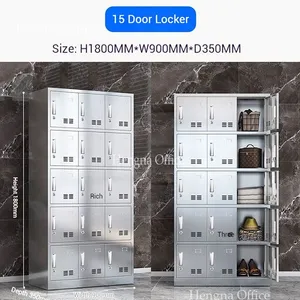
Hengna builds stainless steel lockers for changing rooms, washdown areas, and hygiene-controlled spaces. Sizes, compartment layouts, and finishes are made to order.

Send Inquiry to This Supplier


You May Also Like
-
Multi-Layer Flat File Storage Cabinet | Durable Steel Construction for Office Use Versatile Storage Solution for Modern Office EnvironmentsUS$ 50 - 1300MOQ: 5 Combos
-
Professional 12-Door Metal Storage Locker Model SL-9D| Rust-Resistant ,Durable Cabinet| for Employee Changing Room in CanadaUS$ 59 - 129MOQ: 5 Pieces
-
Hengna Multi-Door Metal Locker Waterproof Locker for Changing Rooms | Steel Locker for Sports FacilitiesUS$ 49 - 129MOQ: 5 Pieces
-
Factory Direct Industrial Steel Locker Cabinet | Heavy Duty Metal Locker for Staff Personal Belongings SupplierUS$ 49 - 119MOQ: 5 Pieces
-
Hengna Hot Selling Steel Storage Locker for Employees | Metal Cabinet With Lock for Office & WorkplaceUS$ 49 - 169MOQ: 5 Pieces
-
2/3/4 Tier Steel Locker for Office Employees - Heavy Gauge Steel Storage Cabinet for Personal Belongings-HNJUNTUOUS$ 49 - 99MOQ: 5 Pieces
-
18-Door Steel Storage Locker for Gym & School Changing Room - Heavy Duty Metal Locker Cabinet, Factory Direct PriceUS$ 99 - 159MOQ: 2 Pieces
-
8-Door Metal Locker for South Africa Schools – Perfect for Classrooms, Laboratories, and Student Storage SupplierUS$ 59 - 159MOQ: 2 Pieces
-
6 Compartment Steel Clothes Locker 1800mm — Ships Flat, Because You\'re Buying Lockers, Not AirUS$ 59 - 199MOQ: 2 Pieces
-
Retail Steel Lockers for Shopping Malls in Malaysia | Waterproof & Anti-Theft & Customer Storage With Customizable SizesUS$ 59 - 299MOQ: 2 Pieces


