


 Contact Platform Support
 Help Center
PLC Controlled Liquid Chlorine Dosing Unit With Less Salt & Electricity Consumption

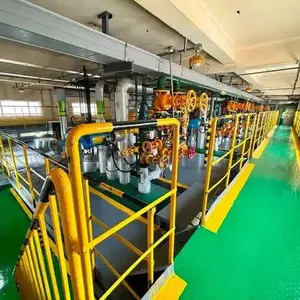
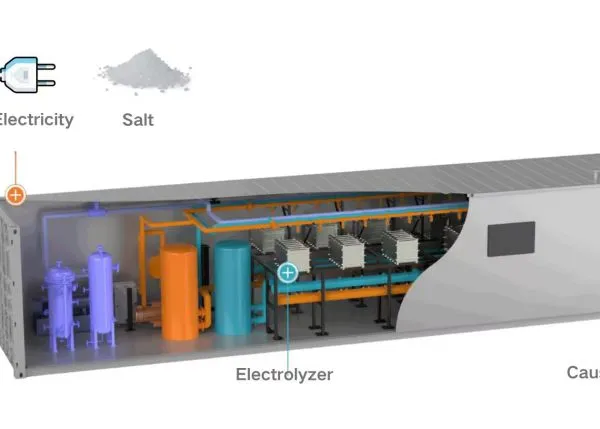
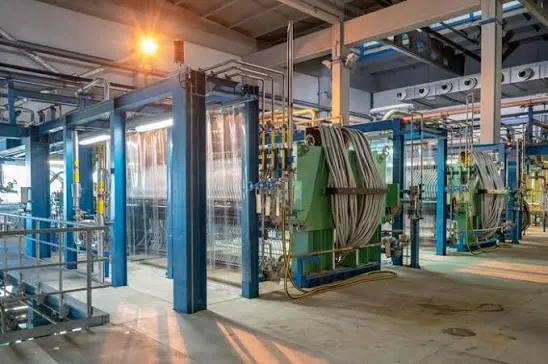
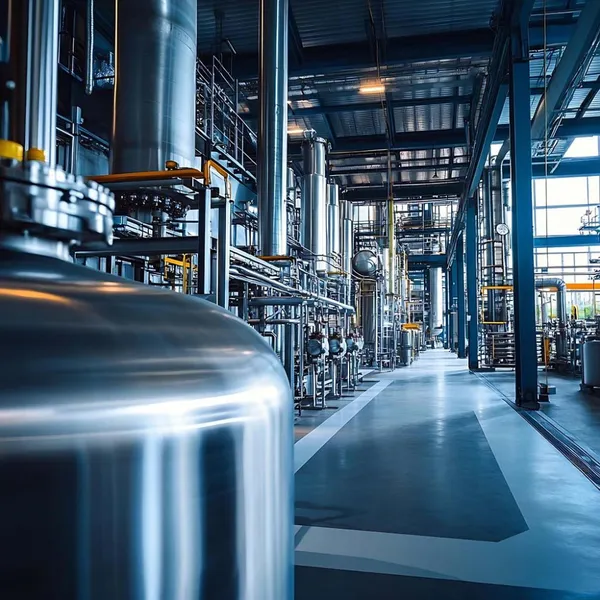
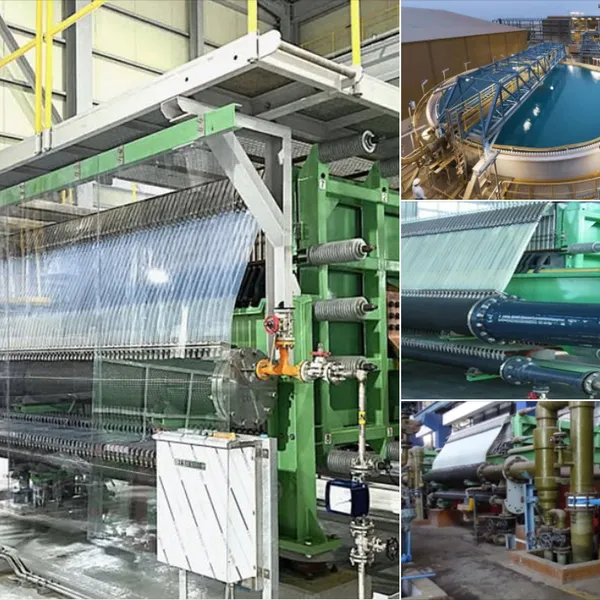
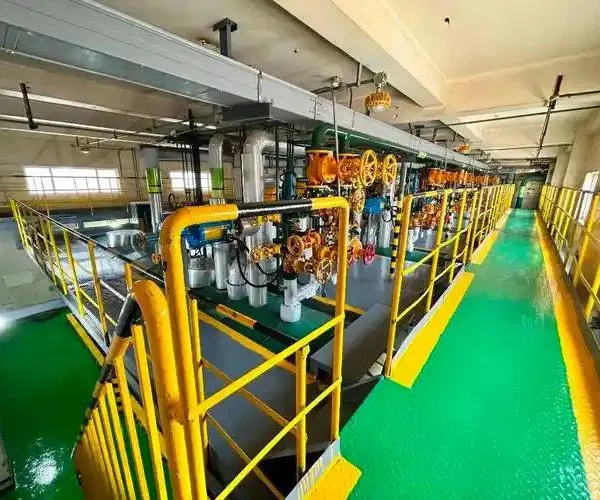
Product Spotlights




Related Products
-
 Automatic Liquid Chlorine Dosing System for Swimming Pool Water DisinfectionUS$ 100000 - 2000000MOQ: 1 Set
 -
Fully Automatic Liquid Chlorine Skid Mounted Plug-Play System for Water TreatmentUS$ 100000 - 2000000MOQ: 1 Set
-
Skid Mounted Liquid Chlorine Generator for Municipal Wastewater TreatmentUS$ 100000 - 2000000MOQ: 1 Set
-
Caustic Soda Flake Used in Soap Manufacturing With Fully Automatic Control and 1-Year WarrantyUS$ 100000 - 2000000MOQ: 1 Set
-
Caustic Soda Flake for Chemical Processing With Plug-Play Skid Mounted System and Mill Test ReportUS$ 100000 - 2000000MOQ: 1 Set
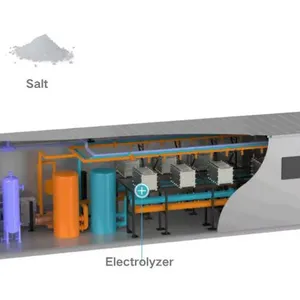
Welcome to Tianjin ZhuoLiNeng (ZLN) Technology Co., Ltd., a professional manufacturer with certification and a global presence across North America, South America, Europe, Africa, Oceania, and Asia. Our PLC Controlled Liquid Chlorine Dosing Unit with Less Salt & Electricity Consumption represents the latest advancement in precise chemical dosing technology. Designed to significantly reduce operational costs while maintaining high accuracy, this unit is ideal for municipal water treatment plants, swimming pools, cooling towers, and industrial processes.
The core innovation lies in our intelligent PLC control system, which automatically adjusts dosing rates based on real-time water quality parameters. By optimizing the electrolysis process, our unit consumes up to 30% less salt and 20% less electricity compared to conventional models, without compromising disinfection efficiency. This not only cuts your operating expenses but also lowers environmental impact. Below we detail the key features, technical specifications, and benefits that make this dosing unit a smart investment.
Key Features & Advantages
PLC Precision Control: The programmable logic controller ensures consistent and accurate dosing, even under fluctuating flow conditions. Operators can set parameters via a user-friendly touchscreen interface.
Low Salt Consumption: Advanced electrode design and intelligent power modulation reduce salt usage by 25–35% while maintaining chlorine output.
Energy Efficient: The unit operates at a higher power factor and uses a customized low-voltage electrolysis cell, cutting electricity consumption by 15–25%.
Robust Construction: Housing made of UV-resistant UPVC or optional stainless steel, with corrosion-resistant internal components for long service life.
Safety Features: Integrated leak detection, automatic shut-off, and over-pressure protection ensure worry-free operation.
Easy Maintenance: Modular design allows quick access to electrodes, filters, and valves. Self-cleaning cycle reduces manual intervention.
Customizable Dosing Range: Flow rates from 1 L/h to 200 L/h, with options for higher capacities upon request.
Technical Specifications
| Parameter | Value / Range |
| Dosing Capacity | 0–200 L/h (customizable up to 500 L/h) |
| Chlorine Production | 50–5000 g/h (adjustable) |
| Salt Consumption Reduction | 25–35% vs. conventional units |
| Power Consumption | 0.5–2.5 kW (depending on model) |
| Input Voltage | AC 220V / 380V, 50/60 Hz |
| Operating Temperature | 0–45°C |
| Material | UPVC (standard) / SS304 (optional) |
| Control Interface | 7-inch HMI touchscreen with PLC |
The unit's PLC system supports remote monitoring via Modbus/RS485 communication, allowing integration with SCADA or building management systems. Data logging features help track dosing history and salt/electricity savings over time, providing transparent performance analysis for plant operators.
Operational Benefits for Your Business
Cost Savings: With reduced salt and electricity consumption, typical payback period is 6–12 months depending on usage.
Consistent Water Quality: Automatic adjustment ensures residual chlorine levels stay within regulatory limits, reducing manual testing and chemical waste.
Lower Labor Requirements: PLC automation minimizes operator intervention; routine maintenance can be performed quickly by local staff.
Environmentally Friendly: Less salt discharge and lower energy usage contribute to a smaller carbon footprint.
At Tianjin ZLN Technology, we have delivered over 500 dosing systems to clients worldwide. Our certified factory in Tianjin ensures strict quality control from raw material procurement to final assembly. We offer comprehensive after-sales support, including remote troubleshooting, spare parts availability, and on-site commissioning services.
Why Choose Us? As a manufacturer with decade-long experience, we understand the unique challenges of water treatment in different regions—from high hardness water in the Middle East to cold climates in Northern Europe. Our liquid chlorine dosing unit is designed to perform reliably under diverse conditions. We invite you to contact us for a customized solution that fits your specific flow rate, space, and budget requirements. Let our team help you achieve optimum disinfection efficiency with minimal operating costs.
Frequently Asked Questions
Q: How does the PLC system reduce salt consumption?
A: The PLC continuously monitors current and voltage across the electrolytic cell, adjusting power to maintain optimal electrolysis efficiency. This prevents over-salting and reduces waste.Q: What is the typical lifespan of the electrolytic cell?
A: With proper maintenance (regular cleaning and descaling), the cell can last 3–5 years. Replacement cells are readily available.Q: Can the unit be integrated with existing water treatment controls?
A: Yes, it supports Modbus RTU, Profibus, and optional Ethernet/IP communication. We also provide custom protocols upon request.Q: What safety measures are included?
A: The unit features automatic shutdown if chlorine gas leakage is detected, over-temperature protection, and emergency stop button. It also has a built-in pressure relief valve.Q: Do you provide training for operators?
A: Yes, we provide detailed manuals, video tutorials, and optional on-site training. Remote support is available 24/7.Q: How often does the unit need maintenance?
A: We recommend a quick inspection every two weeks and a thorough check every 3 months. The self-cleaning function reduces scaling build-up.Q: Can the dosing capacity be increased later?
A: Some models allow upgrading the electrolytic cell to increase capacity. Contact our sales team for feasibility assessment.Q: What is the warranty period?
A: Standard warranty is 12 months from installation, with extended warranty options available.
Tianjin ZhuoLiNeng Technology Co., Ltd. – Your reliable partner in water disinfection. Contact us today for a quote or technical consultation.

Send Inquiry to This Supplier



You May Also Like
-
Caustic Soda Flake 99% Min Content With Mill Test Report and Standard Compliant PackagingUS$ 100000 - 2000000MOQ: 1 Set
-
Caustic Soda Flake 99% Purity With Fully Automatic Control and Skid Mounted Plug-Play SystemUS$ 100000 - 2000000MOQ: 1 Set
-
Caustic Soda Flake for Textile Industry With Plug-Play Skid Mounted System and NACL>89% PurityUS$ 100000 - 2000000MOQ: 1 Set
-
Caustic Soda Flake With Less Salt Investment and Fully Automatic Skid Mounted Unit for Industrial UseUS$ 100000 - 2000000MOQ: 1 Set
-
Caustic Soda Flake With 99% Purity and Fully Automatic Weighing & Packing LineUS$ 100000 - 2000000MOQ: 1 Set
-
Caustic Soda Flake for Water Treatment Under Fully Automatic PLC Control and Skid Mounted DesignUS$ 100000 - 2000000MOQ: 1 Set
-
Caustic Soda Flake for Paper Pulp Bleaching With Skid Mounted Design and Technical Training SupportUS$ 100000 - 2000000MOQ: 1 Set
-
Caustic Soda Flake NACL>89% Salt Purity Requirement With Standard Compliant ProductionUS$ 100000 - 2000000MOQ: 1 Set
-
Hydrochloric Acid for Industrial Water Treatment Applications With Standard Compliant PurityUS$ 100000 - 2000000MOQ: 1 Set
-
PLC Controlled Hydrochloric Acid Production Line With Fully Automatic ControlUS$ 100000 - 2000000MOQ: 1 Set


