


 Contact Platform Support
 Help Center
TCM Apothecary Cabinet for Luxury Wellness Spas and Clinics | Authentic Heritage Look
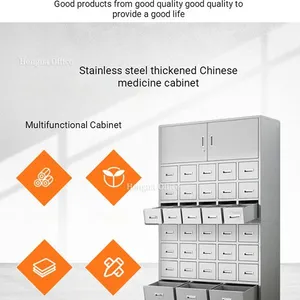
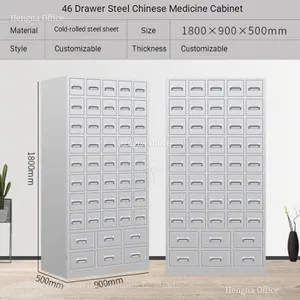
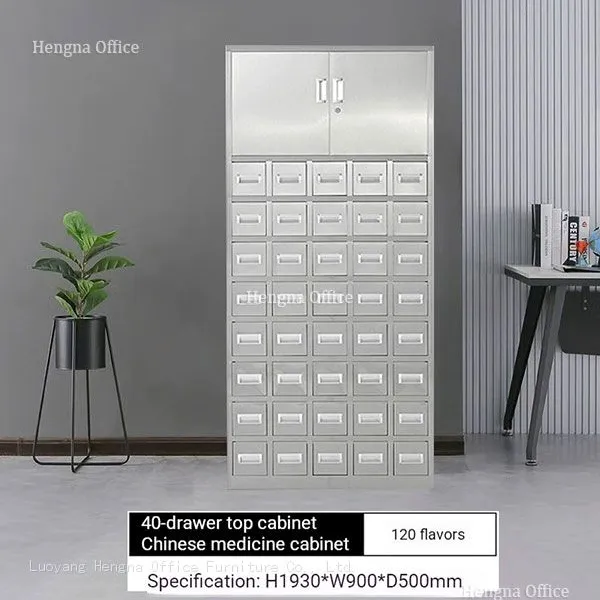
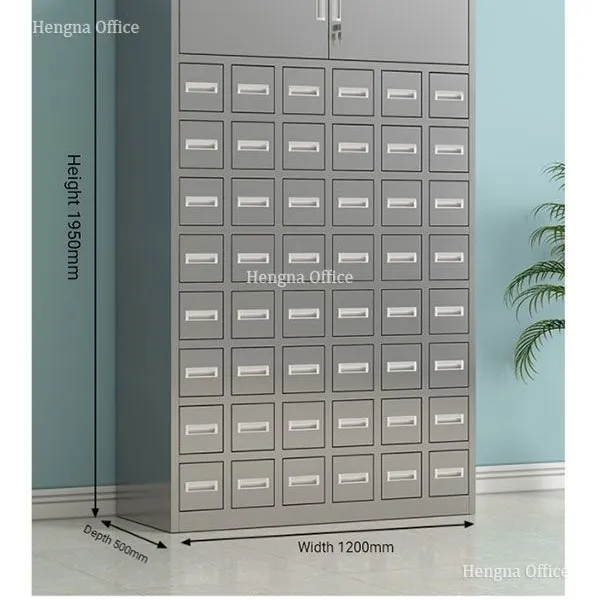
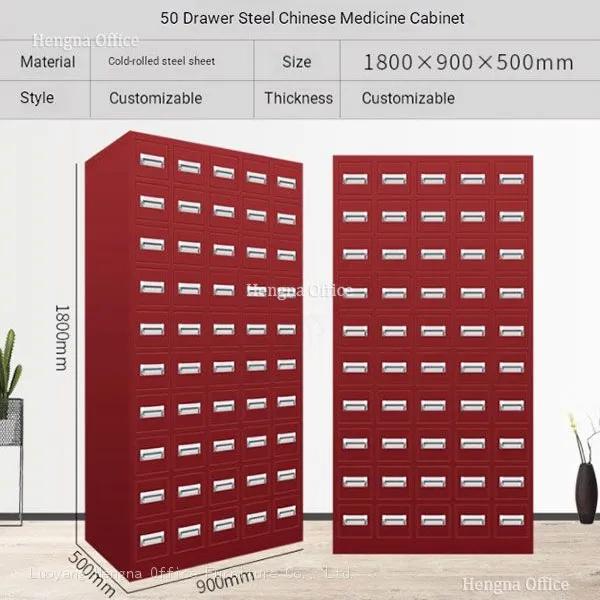
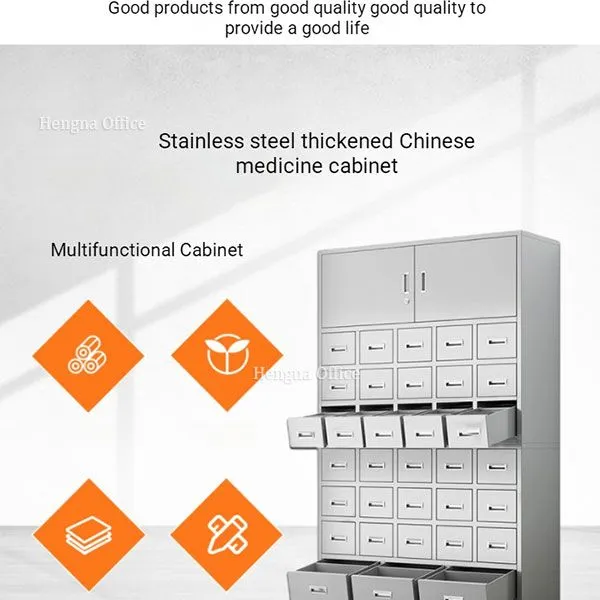
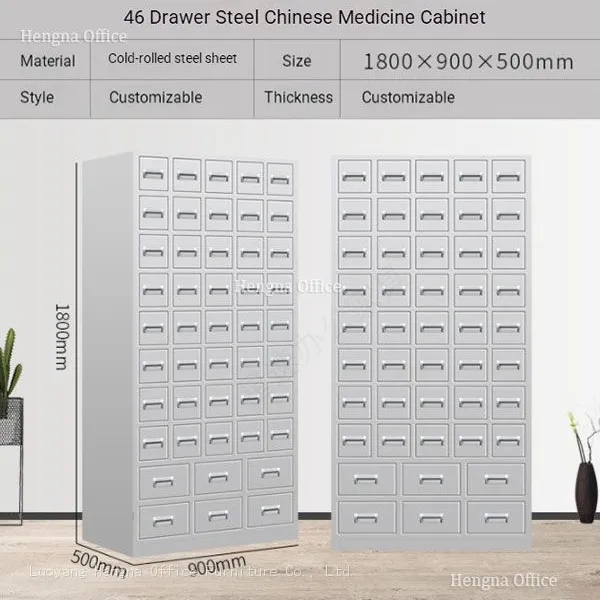
Product Spotlights



Related Products
-
 Large Capacity 60-Drawer Stainless Steel Apothecary Cabinet - Holds 180 Herbal Medicines With Moisture-ProofUS$ 50 - 300MOQ: 5 Combos
 -
Compact Stainless Steel Herbal Medicine Cabinet for TCM Clinics & Pharmacies - Thin Edges for Safe Medicinal StorageUS$ 50 - 300MOQ: 5 Combos
-
Space-Saving Stainless Steel Herbal Dispenser for Wellness Centers & Health Stores - Large Capacity Waterproof Cabinet for Herb Sample ManagementUS$ 50 - 300MOQ: 5 Combos
-
60-Drawer Large Capacity Cabinet for Clinic Pharmacy |Steel Herbal Medicine Organizer With Labels - (Matt Gray/Antique Red Options)US$ 50 - 300MOQ: 5 Combos
-
Durable All-Steel Herb Storage Cabinet With Label Holders -Traditional Medicine & Spice OrganizationUS$ 50 - 300MOQ: 5 Combos
Walk into a well-designed wellness spa or a modern TCM clinic and you will often meet the same object first: a tall cabinet with a strict grid of small drawers, each one labeled, running from floor to near the ceiling. That is a TCM apothecary cabinet — the working furniture behind traditional herbal pharmacies, now finding a second life in wellness spaces. It reads as heritage, but the versions built today are steel-bodied working cabinets, not antiques. This article is for spa owners, clinic planners and herbal shop buyers: what makes the look authentic, what happens behind the drawer fronts, and how to fit one into a space without treating it as mere decoration.
What a TCM Apothecary Cabinet Is
An apothecary cabinet, in the Western furniture tradition, is the piece apothecaries used to keep medicines: many small drawers, each labeled, arranged in a strict grid. The Chinese herbal pharmacy developed the same furniture independently — a wall of small drawers, each divided into compartments, one herb per compartment, every drawer face labeled. A TCM apothecary cabinet is that piece built new: the same drawer-grid logic, sized and finished for modern clinics, spas and herbal shops.
Two things separate it from the antique replicas sold as décor. First, the drawers work: each one pulls on steel slides and returns cleanly, hundreds of times a day if the herbal program is active. Second, the grid is consistent — drawer sizes, label positions and spacing follow one system, which is what makes the wall read as an authentic apothecary rather than a decorated shelf. For anyone searching an apothecary cabinet for herbs with the intention of actually storing herbs, these two points are the difference between furniture and equipment.
The Anatomy of the Heritage Look
Four features carry the vintage style TCM cabinet look:
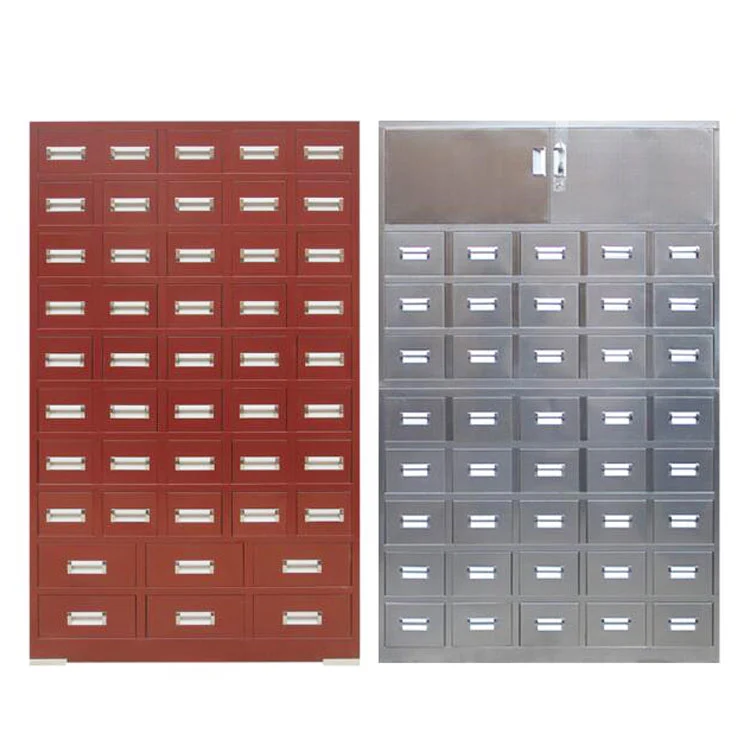
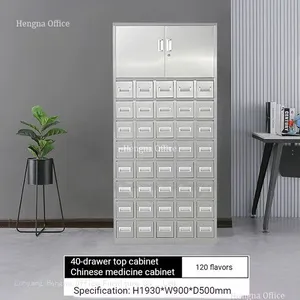
The drawer grid. Rows of equal small drawers — roughly 35 to 70 drawers across the standard line — with a taller cupboard section on top of most models. The grid itself is the look.
Label positions on every drawer face. Paper or printed labels in uniform holders. The wall of labels is what visitors actually read from across the room.
Proportion. Working heights around 1,950 mm (77 inches) put the top row just above eye level; the flagship wine-red model stands 2,000 mm tall on a 1.65 m wide body.
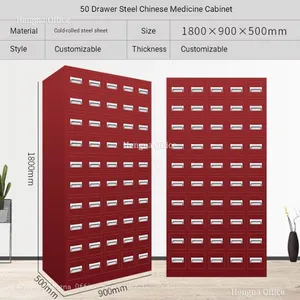
Finish. The line covers wine-red powder coating in the antique-red style, grey-white steel, and the plain silver of stainless. Wine red carries the strongest heritage signal; grey white reads clinical and calm; silver reads modern.
Which finish reads more professional depends on the room’s job. Wine red suits spas and clinics that want the heritage reference up front — reception walls, herbal-tea service points, waiting areas. Grey white and silver step back and let the drawer grid do the talking. In practice the grid matters more than the color: a clean, fully labeled grid reads authentic in any of the three finishes, and a cluttered top surface undoes all of them.
Display Case or Working Dispensary?
The honest answer: both, and the decision changes what goes in the drawers.
As storage, the logic is the same as in a working pharmacy. Each drawer divides into three compartments — one herb per compartment — so a 48 drawer cabinet in the wine-red antique finish holds 144 distinct herbs, with the top cupboard taking bulk packaging or display stock. A spa running an herbal tea menu, a clinic dispensing formulas, a shop selling single herbs: all of them stock the same way, one labeled compartment per variety.
As display, the grid does the work with less. Full drawers read as real inventory even when half of them hold display stock. What ruins the effect: mixed labeling styles, a drawer count that visibly does not match the labels, or storage boxes stacked on top. Keep the top surface clear, or give it a single object — the cabinet carries the wall on its own.
Fitting One Into a Spa or Clinic
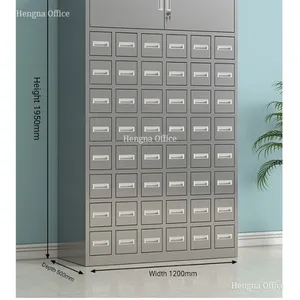
Plan around three measurements. Width: the wine-red flagship runs 1.65 m (65 inches); steel models in the standard line run 0.9 to 1.4 m. Height: around 2 m — check ceiling clearance so the top cupboard doors can open fully. Depth: a uniform 500 mm (about 20 inches), which lets the cabinet sit against a wall without pinching the walkway. Measure the delivery route too: a 2 m cabinet walks in upright, but doorways and corridor turns deserve a tape measure before order day.
Placement follows function. In a spa, the cabinet works hardest near the point where herbs are actually dispensed — the tea bar, the consultation room — and doubles as the visual anchor of the waiting area when guests walk past. Lighting does the rest: a warm wall wash across the drawer grid does more for the heritage look than any single spotlight. One placement rule: keep it off damp exterior walls and out of direct steam from hammams or hydrotherapy rooms. The drawers hold paper labels, and paper prefers dry air.
Common Questions
Is a TCM apothecary cabinet real storage or just decoration?
Real storage. The drawer-and-compartment system is a working inventory: 48 drawers with 3 compartments each means 144 labeled varieties in the wine-red model, on steel slides that hold up under daily use. Decoration is a side effect of a full, labeled grid — not a separate design mode.
Wine red or steel tone — which reads more professional?
Match the finish to the room’s job. Wine red suits front-of-house positions where the cabinet is part of the brand story. Grey white suits treatment rooms and clinics, where the calm clinical tone leads. Plain stainless reads the most modern. The grid, the labels and a clear top surface carry the heritage look in all three cases.
Does the traditional look mean a wooden cabinet?
No. The heritage appearance comes from the drawer grid, the proportions and the finish, not from the material. Current models are steel-bodied — powder-coated steel in wine red or grey white, or stainless in plain silver — with the drawer layout of a traditional pharmacy. The look is traditional; the body is built for daily use.
The Short Version
A TCM apothecary cabinet is the traditional herb-cabinet form built as working furniture: a labeled drawer grid, three compartments per drawer, a steel body, and finishes from wine red to stainless. For a wellness spa or clinic it does two jobs at once — it stores the herbal program and it furnishes the wall with the most recognizable object in the tradition. Pick the finish for the room, keep the grid clean and fully labeled, and it reads authentic from across the room.

Send Inquiry to This Supplier



You May Also Like
-
Premium Stainless Steel Herbal Medicine Cabinet for TCM Clinics - Multi-Drawer Storage System for 90-210 Herb FlavorsUS$ 50 - 300MOQ: 5 Combos
-
OEM Moisture-Proof Stainless Steel TCM Herb Cabinet - Durable Alternative to Wooden Medicine CabinetsUS$ 50 - 300MOQ: 5 Combos
-
Stainless Steel Chinese Herbal Medicine Cabinet 0.9m Wide for TCM ClinicUS$ 50 - 300MOQ: 5 Combos
-
OEM|Stainless Steel Chinese Herbal Medicine Cabinet 0.9 m Wide 40 BucketsUS$ 50 - 300MOQ: 5 Combos
-
Steel Chinese Medicine Storage Cabinet 0.9 m 900×1800×500mm|Botanical Medicine Cabinet Steel FrameUS$ 50 - 300MOQ: 5 Combos
-
Stainless Steel TCM Herb Cabinet 0.9 m 46 Buckets 132 Flavours| Chinese Medicine Herb Storage SolutionsUS$ 50 - 300MOQ: 5 Combos
-
Industrial Herb Cabinet Stainless Steel|Steel TCM Herb Bucket Cabinet 1.2m for Daily Prescription UseUS$ 50 - 300MOQ: 5 Combos
-
Stainless Steel Herb Storage Cabinet 1.4m for Traditional Chinese Clinic|Herb Medicine Cupboard for Hospital PharmacyUS$ 50 - 300MOQ: 5 Combos
-
Stainless Steel Chinese Medicine Cabinet OEM Factory|Stainless Steel Chinese Herbal Bucket Cabinet 1.2 m WideUS$ 50 - 300MOQ: 5 Combos
-
Steel Chinese Medicine Cabinet Custom Size 900×1800×500mm| Herb Supply Storage Cabinet Large SizeUS$ 50 - 300MOQ: 5 Combos


