


 Contact Platform Support
 Help Center
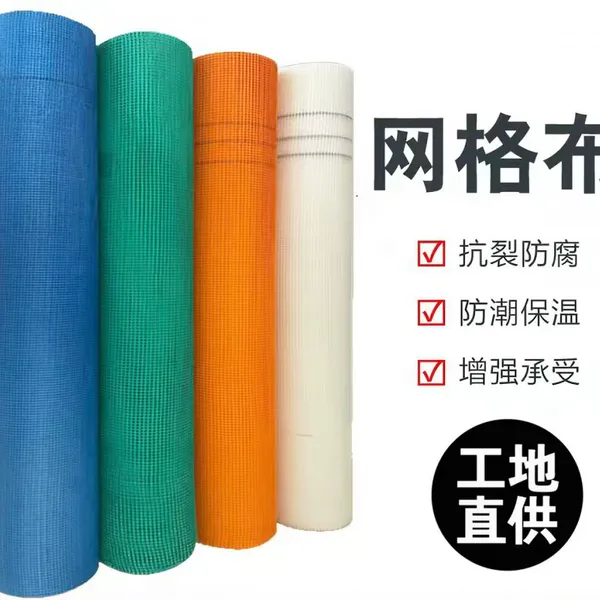
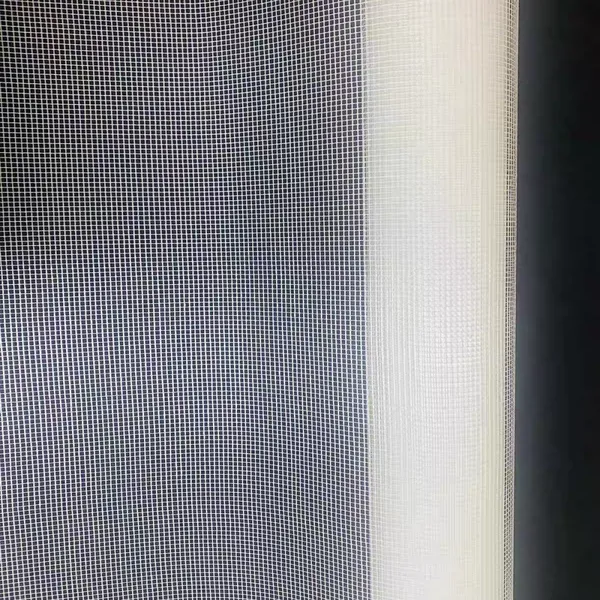
Needle Punched Geotextile Mesh Fabric 400gsm Permeability 0.1cm/s for Subgrade Separation
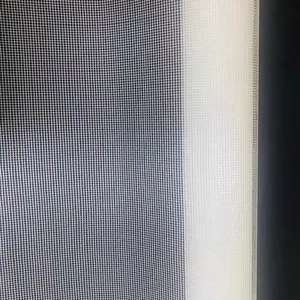
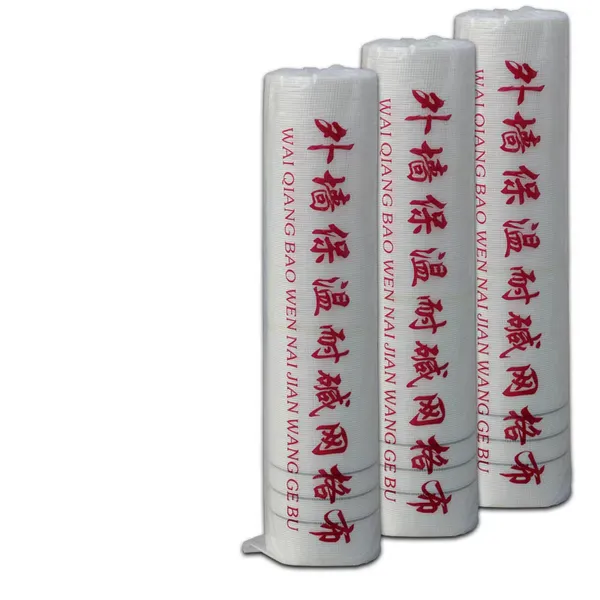
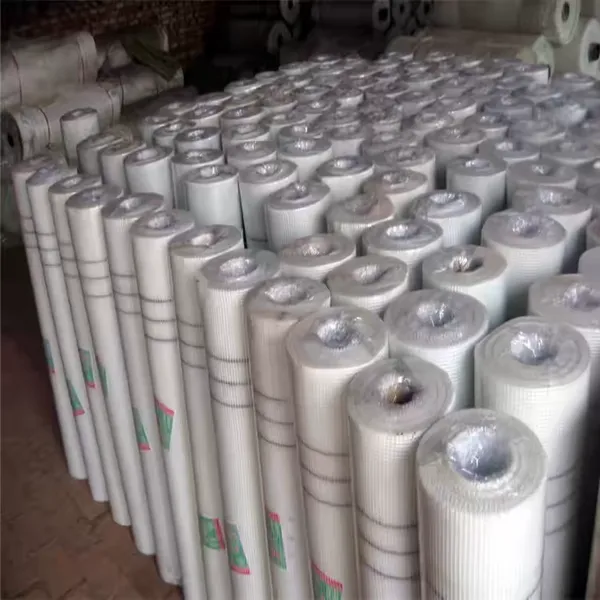
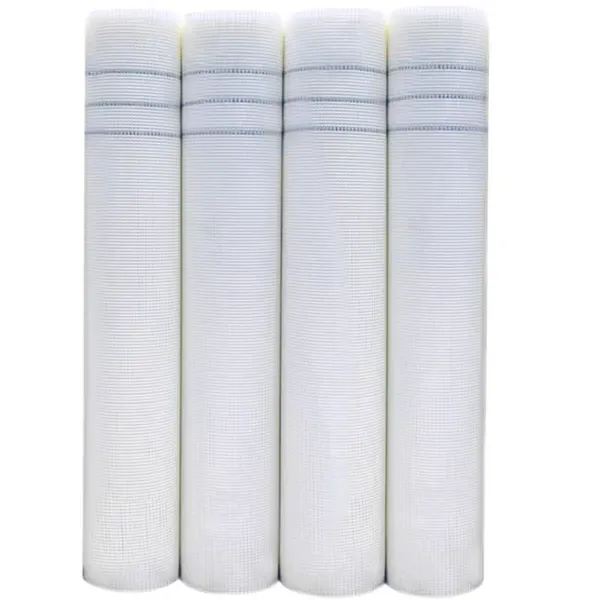
Product Spotlights


Related Products
-
 Reinforced Geotextile Mesh Fabric 120kN/m UV-Stabilized PP With Technical Installation SupportNegotiableMOQ: 1 Acre
 -
PP Geotextile Mesh Fabric 150kN/m Tensile Strength 6m Width for Road ReinforcementNegotiableMOQ: 1 Acre
-
Geotextile Mesh Fabric for Landfill Liner Protection With 12 Month Warranty and Mill Test ReportNegotiableMOQ: 1 Acre
-
Polypropylene Geotextile Mesh Fabric 6m Wide Roll 98% Open Area for Erosion ControlNegotiableMOQ: 1 Acre
-
Heavy-Duty Geotextile Mesh Fabric 400gsm Tensile Elongation 30% for Subgrade SeparationNegotiableMOQ: 1 Acre
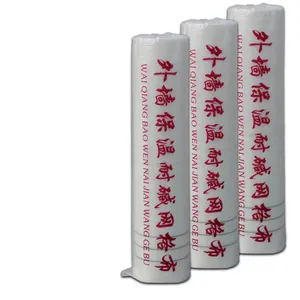
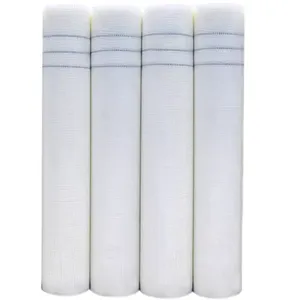
Anping Xinye Metal Wire Mesh Products Co., Ltd is a professional manufacturer located in Hengshui, Hebei, China, with a modern factory area of 5,000–10,000 square meters and a dedicated team of 51–100 employees. Our needle punched geotextile mesh fabric at 400gsm with a permeability rate of 0.1 cm/s is engineered specifically for subgrade separation, delivering reliable performance in demanding civil engineering and infrastructure projects. This geotextile mesh combines high puncture resistance, excellent water flow, and durable mechanical properties to help extend pavement life and reduce maintenance costs.
Needle punched geotextile mesh fabric is manufactured through a mechanical needling process that entangles polypropylene staple fibers into a stable, porous structure. This production method creates a thick, dimensionally stable fabric that can withstand heavy loads while still allowing water to pass through freely. Our 400gsm fabric is particularly suited for subgrade separation in road construction, railway ballast separation, drainage layers, and erosion control systems.
Key Features & Technical Specifications
- High tensile strength – resists tearing during installation and under service loads.
- Excellent puncture resistance – protects geomembranes and prevents aggregate intrusion into soft subgrades.
- Permeability of 0.1 cm/s – ensures effective vertical and horizontal drainage, reducing hydrostatic pressure.
- Needle punched structure – provides high friction angle and good interlocking with soil and aggregate.
- UV stabilized – suitable for exposed applications with prolonged sunlight exposure.
- Chemical resistant – unaffected by acidic or alkaline soil environments.
- Durable and flexible – conforms to ground irregularities without cracking.
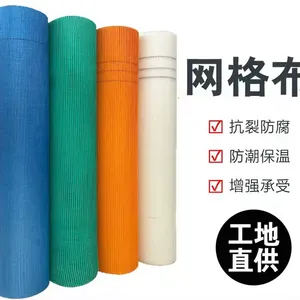
- Customizable dimensions – width and length can be tailored to project requirements.
| Parameter | Value |
|---|---|
| Fabric Weight | 400 g/m² (±5%) |
| Permeability (vertical) | 0.1 cm/s |
| Thickness | 3.0 mm (typical) |
| Tensile Strength (MD/CD) | ≥ 15 kN/m (typical, lab verified) |
| Puncture Resistance | ≥ 1250 N (CBR test, typical) |
| Width | 2 m – 6 m (customizable) |
| Length per Roll | 50 m – 100 m (customizable) |
| Material | 100% virgin polypropylene staple fiber |
| Color | Black, white, or custom |
This 400gsm geotextile mesh provides a practical solution for subgrade separation – a process that prevents intermixing of fine subgrade soil and coarse aggregate layers. By placing the geotextile at the interface, it maintains aggregate layer thickness, preserves drainage capacity, and reduces the need for expensive granular fill. Contractors and civil engineers benefit from faster installation, easier handling, and long-term pavement performance. The fabric’s high permeability also accelerates consolidation of soft soil, improving overall project timelines.
Beyond road projects, this needle punched geotextile is widely used in landfill drainage systems, railway trackbed separation, retaining wall filtration, and stormwater management. Its robust design works effectively in both static and dynamic loading conditions, making it suitable for heavy-duty infrastructure zones. With our advanced manufacturing capability and strict quality control, each roll is inspected for weight consistency, dimensional accuracy, and visual defects before packing.
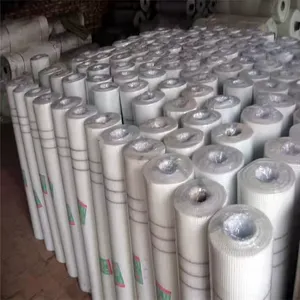
Our factory, established in 2020, has rapidly developed into a trusted supplier for markets across North America, South America, Eastern Europe, Southeast Asia, Africa, Oceania, Mid East, and many other regions. We ship from major ports including Tianjin, Qingdao, and Shanghai. With an experienced production team and quality management system, we are capable of delivering large-volume orders with stable quality and on-time shipment. We also offer customized sizes, colors, and packaging to meet your specific project needs. Contact us today for competitive pricing, technical guidance, or free samples – we are ready to support your next infrastructure project with reliable geotextile products.
FAQ
Q1: What is the difference between needle punched geotextile and woven geotextile?
A: Needle punched geotextile is made of nonwoven fibers interlocked mechanically, giving it higher elongation, better filtration and separation properties. Woven geotextile has higher tensile strength in the warp direction but lower permeability. For subgrade separation, needle punched nonwoven is often preferred because it prevents soil migration while allowing water flow.
Q2: Can this 400gsm geotextile be used for road subgrade separation directly?
A: Yes. The 400gsm weight is a common specification for subgrade separation under heavy traffic. It resists puncture from coarse aggregate and provides long-term filtration stability. For very soft subgrade conditions, additional reinforcement layers may be considered – we can advise based on your specific soil characteristics.
Q3: What are the available roll sizes and width options?
A: Standard width is 2m–6m, and roll length ranges from 50m to 100m. If you need other dimensions, we can customize production according to your project drawings or installation requirements. Custom length and width are available upon request.
Q4: Is this geotextile UV resistant?
A: Our needle punched geotextile is manufactured with UV-stabilized polypropylene fibers. It can withstand moderate exposure to sunlight during normal construction periods. For extended UV exposure, we recommend covering with aggregate promptly – typical practice for all geotextiles.
Q5: What certifications or quality tests are available for this product?
A: We follow internationally recognized test methods such as ASTM D5199 for thickness, ASTM D4751 for apparent opening size, and ASTM D4491 for permeability. Our products are factory-tested for tensile strength, puncture resistance, and weight uniformity. Specific third-party testing can be arranged upon request.
Q6: What is the permeability value of this geotextile, and why does it matter?
A: The permeability is 0.1 cm/s. This value indicates how easily water can pass vertically through the fabric. For subgrade separation, adequate permeability prevents water accumulation and pore pressure buildup, which helps maintain the strength of the subgrade and prevents pavement failure.
Q7: Can you provide samples before bulk order?
A: Yes. We offer free samples of A4 size or 1 meter roll for freight collection. Samples can be used for internal evaluation and lab testing. Bulk production time is typically 7–15 days depending on order quantity and customization.
Q8: What are your shipping and packaging methods?
A: Rolls are compressed and wrapped with protective film, then packed in woven polypropylene bags inside containers. We ship from Tianjin, Qingdao, and Shanghai ports. Container loading can be mixed with other geosynthetics for cost sharing – please inquire for detailed options.

Send Inquiry to This Supplier


You May Also Like
-
Geotextile Mesh Fabric for Railway Ballast Reinforcement With Standard Compliant Quality AssuranceNegotiableMOQ: 1 Acre
-
Biaxial Geotextile Mesh Fabric 200kN/m Tensile Strength for Soil Reinforcement DrainageNegotiableMOQ: 1 Acre
-
Biaxial Polypropylene Geotextile Mesh Fabric 30kN/m Tear Resistance 4m RollNegotiableMOQ: 1 Acre
-
Geotextile Mesh Fabric With 500kPa CBR Puncture Resistance for Road Subgrade StabilizationNegotiableMOQ: 1 Acre
-
Woven Geotextile Mesh Fabric 200gsm Polyester High Tensile Strength for Road ConstructionNegotiableMOQ: 1 Acre
-
Geotextile Mesh Fabric 3m x 100m Roll With 1 Year Warranty and Free Replacement for Damaged RollsNegotiableMOQ: 1 Acre
-
Black Geotextile Mesh Fabric 150gsm 2.4m Wide UV Stabilized Filtration GeofabricNegotiableMOQ: 1 Acre
-
Geotextile Mesh Fabric 90% Open Area for Retaining Wall Backfill Drainage GridNegotiableMOQ: 1 Acre
-
Geotextile Mesh Fabric With 2-Year Warranty and Mill Test Report Standard Compliant RollNegotiableMOQ: 1 Acre
-
Geotextile Mesh Fabric 2.5mm Aperture 120kN/m CBR Puncture Resistance for Retaining WallsNegotiableMOQ: 1 Acre


