


 Contact Platform Support
 Help Center
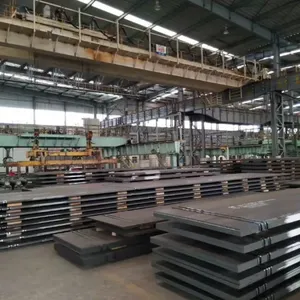
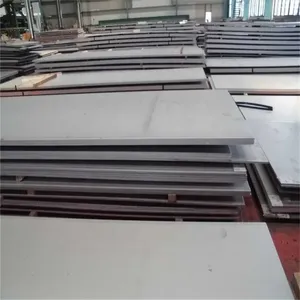
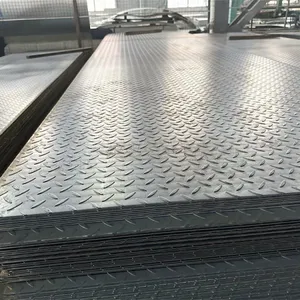
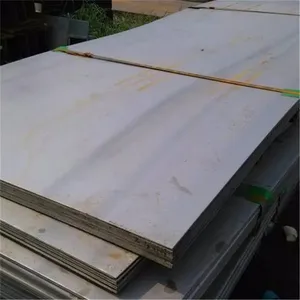
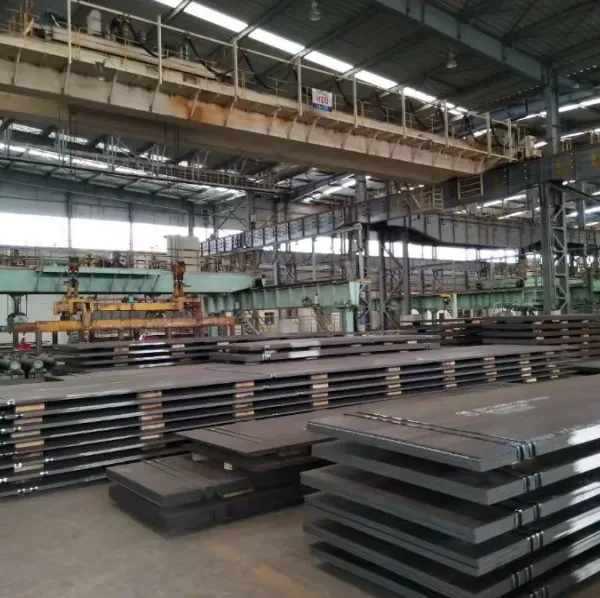
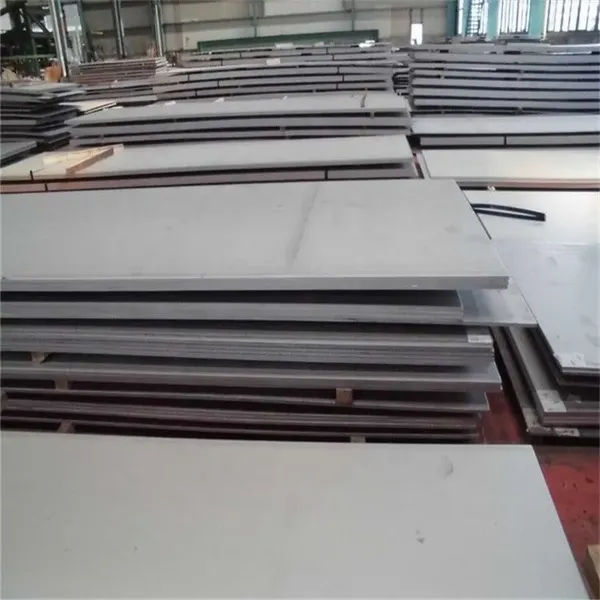
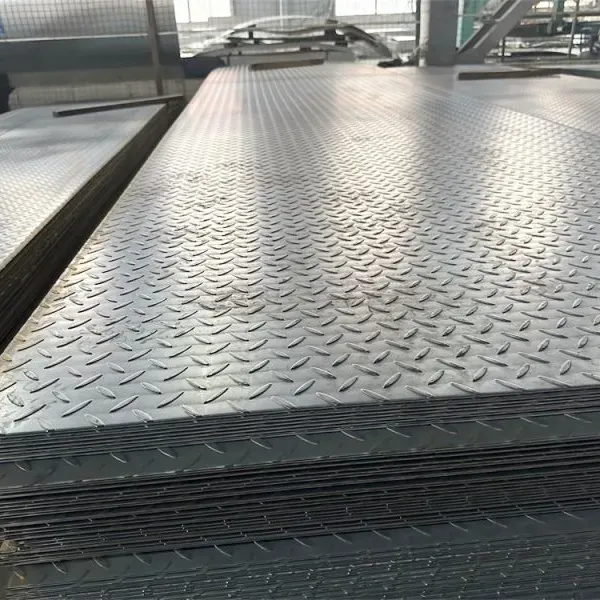
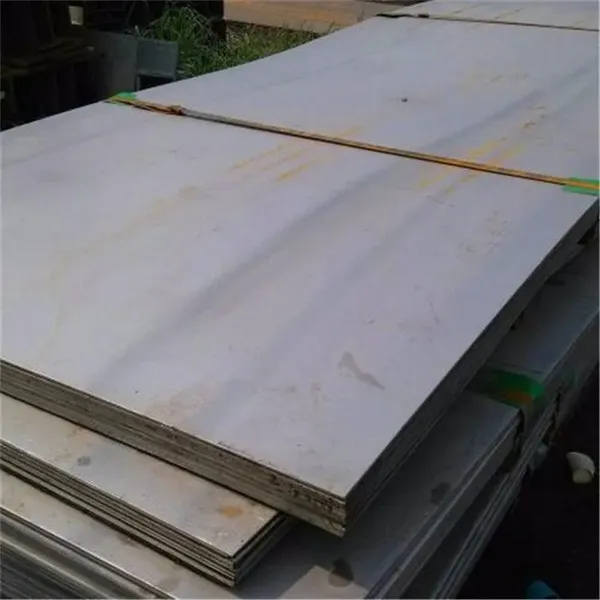
Carbon Steel Plate S275JR S355JR 10mm-50mm for Bridge Construction and Mechanical Manufacturing


Product Spotlights







Related Products
-
 ASTM A36 Carbon Steel Rod for Construction Reinforcement Welding Fabrication Solid Round BarNegotiableMOQ: 1 Ton
 -
SAE 1018 Carbon Steel Rod 1mm-150mm Length 3m-6m Centerless Grinding Steel Round BarNegotiableMOQ: 1 Ton
-
Factory Direct Carbon Steel Rod 1045 12mm-300mm Supply With 12-Month Warranty and Technical SupportNegotiableMOQ: 1 Ton
-
A36 Carbon Steel Rod 40mm-100mm Diameter Peeled & Polished Steel Bar With Mill Test ReportNegotiableMOQ: 1 Ton
-
S20C Carbon Steel Rod 30mm-600mm Diameter Forged Round Bar Annealed Surface Black OxideNegotiableMOQ: 1 Ton
Hemaokang Steel (Shandong) Co., Ltd. is a professional supplier of flat carbon steel products located in the steel processing base of Liaocheng, Shandong, China. Our Carbon Steel Plate in S275JR and S355JR grades covers thicknesses from 10 mm to 50 mm and is intended for bridge construction, mechanical manufacturing, and general steel fabricating work. All plates follow the dimensional and mechanical requirements of EN 10025-2, so buyers receive consistent strength, good weldability, and dependable traceability. With an export-oriented supply chain and a responsive technical team, we support customers from the first inquiry to final delivery.
Product Overview
S275JR and S355JR are non-alloy structural steels commonly specified under EN 10025-2 for steel plates used in welded and bolted construction. S355JR has a minimum yield strength of 355 MPa, which makes it a strong choice for highly loaded bridge members such as main girders, cross girders, and bottom flanges. S275JR, with a minimum yield strength of 275 MPa, provides a more economical alternative for machine frames, bases, and secondary structural parts. Both grades carry the JR designation, which ensures a Charpy V-notch impact energy of 27 J at room temperature, confirming their suitability for normal outdoor service conditions.
| Grade | Min Yield Strength | Tensile Strength | Impact Energy |
|---|---|---|---|
| S275JR | 275 MPa | 410 - 560 MPa | 27 J at 20°C |
| S355JR | 355 MPa | 470 - 630 MPa | 27 J at 20°C |
Dimensional Range and Customization
Our standard thickness range covers the practical needs of medium-plate users: 10 mm, 12 mm, 15 mm, 16 mm, 20 mm, 25 mm, 30 mm, 40 mm, and 50 mm, with intermediate sizes produced according to rolling schedules. Width is generally supplied between 1000 mm and 3000 mm, and length between 6000 mm and 12000 mm, while other dimensions can be confirmed by our production department upon request. Plates are available with mill edge or trimmed edge, and flame-cut or plasma-cut blanks can be delivered to your drawing dimensions. This dimensional flexibility reduces material waste, shortens lead time, and simplifies the workflow for bridge workshops and machinery plants.
- Thickness: 10 mm - 50 mm
- Width: 1000 mm - 3000 mm, custom sizes available upon request
- Length: 6000 mm - 12000 mm, custom sizes available upon request
- Edge condition: mill edge or trimmed edge
- Tolerances: according to EN 10025-2; tightened tolerances on request
Manufacturing Process and Surface Treatment
The plates are produced through continuous casting, slab reheating, hot rolling, controlled cooling, and leveling, which helps refine the microstructure and improve internal soundness. For projects requiring uniform mechanical properties across thicker sections, normalizing heat treatment can be arranged as an optional process. The delivery surface can be black, pickled, oiled, or primed according to your subsequent fabrication steps. For overseas sea transport, we apply anti-rust oil and waterproof wrapping, and each bundle is marked with the heat number, grade, and dimensions for complete traceability during customs inspection and site receiving.
Primary Application Fields
These carbon steel plates combine strength, formability, and weldability, making them suitable for the following fields:
- Bridge construction: main girders, deck plates, stiffeners, diaphragms, connection plates and support structures
- Mechanical manufacturing: equipment frames, machine bases, press tables, brackets, housings and welded structures
- General steel structures: column bases, crane runway beams, platforms, stairs and transmission tower components
- Energy and industrial plants: structural parts for cement machinery, conveying equipment, storage tanks and process frames
Key Benefits for Your Project
- Stable mechanical properties from batch to batch, reducing the need for repeated welding procedure qualification
- Wide thickness range and cut-to-size capability, improving material utilization and shortening fabrication time
- Optional heat treatment and surface preparation, allowing the steel to match final service conditions
- Mill test certificate with every consignment; third-party inspection available upon request
- Experience in export documentation and multiple destination markets, ensuring smooth customs clearance
- Responsive inquiry handling with clear technical advice on grade selection and tolerances
Quality Assurance System
Hemaokang Steel operates an ISO9001 quality management system that covers incoming slab inspection, rolling process control, final dimension verification, and document control. A mill test certificate is prepared for each heat, showing chemical composition and mechanical test results, and this document is provided with the shipping documents for your quality department. Third-party inspection companies can be engaged to carry out visual inspection, dimensional checks, and mechanical sample testing before loading. This structured quality approach gives bridge contractors and machinery OEMs reliable support when they order carbon steel plates in continuous project volumes.
Technical Reference Table
| Parameter | Specification / Note |
|---|---|
| Standard | EN 10025-2 |
| Grade | S275JR / S355JR |
| Thickness | 10 mm - 50 mm |
| Width | 1000 mm - 3000 mm, customizable |
| Length | 6000 mm - 12000 mm, customizable |
| Delivery condition | Hot rolled; normalizing optional |
| Surface finish | Black, pickled, oiled, primed optional |
| Edge condition | Mill edge or trimmed edge |
| Marking | Stenciled with grade, heat no., and size |
| Inspection | ISO9001, mill test certificate; third-party optional |
| Packing | Steel strips, waterproof paper, container loading |
| Loading port | Qingdao, China |
A Reliable Export Partner
With an annual export value of US$50 million to US$100 million and a dedicated team of 51 to 100 employees, Hemaokang Steel serves buyers in North America, South America, Eastern Europe, Southeast Asia, Africa, Oceania, the Middle East, and the domestic Chinese market. We understand that bridge and machinery buyers expect not only correct material grades but also on-time delivery, complete documentation, and clear communication. Our sales engineers can help you select the appropriate grade, confirm thickness availability, arrange processing, and build a cost-efficient logistics plan from Qingdao to your nearest port. Please send us your required specification and quantity; we will respond with a detailed quotation and delivery proposal.
Frequently Asked Questions
Q1: What is the main difference between S275JR and S355JR plates?
The main difference is the guaranteed yield strength. S355JR provides 355 MPa minimum yield strength, while S275JR provides 275 MPa. S355JR is preferred for bridge components that carry large loads, while S275JR is often enough for machine frames and secondary structures where material cost is more critical. Both grades have the same impact energy requirement of 27 J at room temperature.
Q2: Can the plates be delivered with custom dimensions or cut into blanks?
Yes. In addition to standard mill sizes, we can supply plates cut by plasma or flame to your detailed drawings. This service helps bridge workshops reduce cutting time and material waste. Please provide a cutting plan or list of blanks together with tolerances so that our production team can confirm the most economical nesting method.
Q3: Do you provide material certificates and third-party inspection?
Yes. A mill test certificate based on the actual heat is included with every order, and we can also arrange third-party inspection by agencies such as SGS or BV before shipment. The inspector can verify dimensions, surface condition, and mechanical properties against EN 10025-2. Please advise us at the inquiry stage if a specific inspection standard is required.
Q4: What surface treatment is recommended for sea transport?
For long-distance sea shipment, we usually supply the plates with anti-rust oil on the surface, protected by waterproof paper and steel strips. If the plates will be stored outdoors for several months, a primer paint coating is recommended. Pickled finish is available when the oxide layer must be removed before painting or further forming.
Q5: What is the minimum order quantity for these steel plates?
The minimum order quantity depends on thickness, width, and destination port. For common specifications in the 10 mm to 50 mm range, we can accept one container load as a trial order. Large project orders can be spread over several shipping schedules to match your site requirements. Contact our sales team in advance so we can prepare a suitable loading plan.
Q6: How do you control flatness and thickness tolerance?
The plates are leveled during the production process and thickness is controlled within EN 10025-2 tolerance limits. Before packing, our quality staff measures dimensions at multiple positions and records the results. If a project requires tighter flatness or thickness tolerances, we can discuss special rolling or additional leveling possibilities on request.
Q7: Can S275JR and S355JR plates be used for welded bridge fabrication?
Yes, these grades are widely used in welded steel bridges. They offer acceptable carbon content and good weldability when applying normal welding procedures for structural steel. S355JR is more common for main load-carrying members where higher strength allows thinner plates and lower structure weight. We recommend that the fabricator carry out welding procedure qualification in line with the applicable project specification.
Q8: What are your usual payment terms and delivery time?
For export orders we normally accept T/T with deposit and balance before shipment, or an L/C at sight after confirming the contract. Delivery time for standard sizes is generally 7 to 15 days after deposit, while customized cutting or heat treatment may require additional time. The schedule is always confirmed in writing in our sales proposal so that your procurement plan remains reliable.

Send Inquiry to This Supplier


You May Also Like
-
Carbon Steel Rod for Machining Automatic Lathe Parts S45C Precision Ground Steel BarNegotiableMOQ: 1 Ton
-
C45 Carbon Steel Rod 20mm-300mm HRC 20-30 Machined Round Bar Tolerances ISO 2768-mNegotiableMOQ: 1 Ton
-
Custom Length Carbon Steel Rod 4140 42CrMo Precision Cut With Mill Test Report and 1-Year WarrantyNegotiableMOQ: 1 Ton
-
AISI 1045 Carbon Steel Rod 10mm-200mm Diameter Cold Drawn Precision Ground Steel Round BarNegotiableMOQ: 1 Ton
-
Q235 Ss400 Carbon Steel Rod 20mm-500mm Diameter Hot Rolled Mild Steel Bar for Structural UseNegotiableMOQ: 1 Ton
-
ASTM A36 Carbon Steel Rod With 12-Month Warranty, Mill Test Certificate, Sizes 10mm-500mmNegotiableMOQ: 1 Ton
-
AISI 1045 Carbon Steel Rod, Hot Rolled Round Bar, 20mm-200mm Diameter, Tensile Strength 570MPaNegotiableMOQ: 1 Ton
-
SS400 Carbon Steel Round Rod, 8mm-250mm, JIS G3101, Hot Rolled, for Welding and ConstructionNegotiableMOQ: 1 Ton
-
Carbon Steel Rod for Machining Precision Parts, AISI 1045, 20mm-200mm, Consistent HardnessNegotiableMOQ: 1 Ton
-
AISI 1045 Carbon Steel Rod, Forged Round Bar, 100mm-600mm, Annealed, With Mill Test ReportNegotiableMOQ: 1 Ton


