


 Contact Platform Support
 Help Center
HN-SLC4 Acid and Corrosive Storage Cabinet for School Lab, Polyethylene Lined Blue Safety Cabinet for Chemical Safety and Organization, Factory Direct

Product Spotlights




Related Products
-
 HN-MFP9 Fireproof Chemical Locker for Manufacturing Facility, 30 Gallon Flammable Storage With High Strength Piano Hinges, Factory WholesaleUS$ 60 - 700MOQ: 5 Combos
 -
HN-OGI5 Explosion-proof Gallon Cabinet for Oil & Gas Industry, Industrial Safety Storage Cabinet With Static Grounding Lead and Fire ArrestersUS$ 60 - 700MOQ: 5 Combos
-
HN-PSC8 Paint and Ink Storage Cabinet for Printing Shop, Red Combustible Liquid Safety Cabinet With Liquid-tight Sump and Dual Keys, OEM/ODMUS$ 60 - 700MOQ: 5 Combos
-
HN-WIS2 Industrial Safety Cabinet for Warehouse, 60 Gallon Metal Flammable Storage Cabinet With Standard Color Coding & Warning LabelsUS$ 60 - 700MOQ: 5 Combos
-
HN-CF87 Compact Flammable Safety Cabinet for Small Business, Countertop Chemical Storage Box With Double Steel Walls and Adjustable HeightUS$ 60 - 700MOQ: 5 Combos
School laboratories are busy places. Students move between experiments, teachers demonstrate chemical reactions, and dozens of containers get used and returned every day. In this active environment, storing acids and corrosive chemicals requires special attention. These substances can eat through ordinary materials. They can damage skin and eyes with just a splash. And in the wrong container, they can create dangerous reactions.
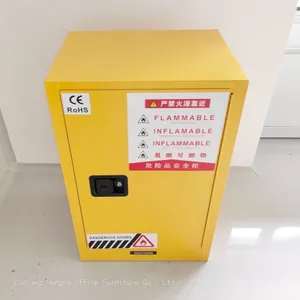
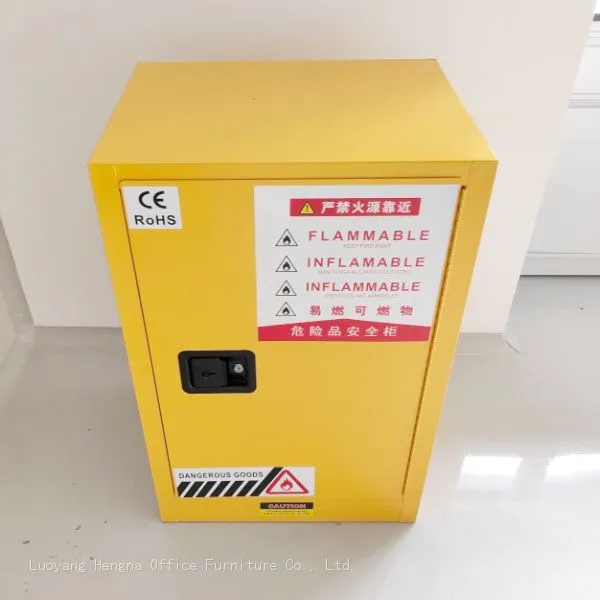
The HN-SLC4 Acid and Corrosive Storage Cabinet is built specifically for these challenges. Designed for school labs, university teaching facilities, and research institutions, this blue cabinet features a polyethylene lining that resists acid attack. The bright blue color signals "corrosive" to everyone in the lab, following standard safety color codes. With adjustable shelves, double-wall steel construction, and factory-direct value, the HN-SLC4 helps you keep your students and staff safe while staying organized.
Why Corrosive Chemicals Need Special Storage
Acids and bases are different from flammable liquids. They do not just burn—they eat away at materials. A standard steel cabinet, even one painted with epoxy, can eventually corrode when exposed to acid fumes or spills. The corrosion weakens the cabinet and can lead to leaks or structural failure.
The HN-SLC4 solves this problem with a polyethylene lining. This plastic-based material is chemically resistant. It stands up to sulfuric acid, hydrochloric acid, nitric acid, and many other corrosives. If a bottle breaks or spills inside the cabinet, the lining protects the steel underneath and contains the liquid for easy cleanup.
Quick Specifications Overview
Here is a simple breakdown of what the HN-SLC4 offers:
Feature Specification What It Means For Your Lab Model Number HN-SLC4 Easy ordering and replacement parts Cabinet Type Acid and corrosive storage Specifically for acids, bases, and corrosive chemicals Color Safety Blue Universal color code for corrosives Lining Material Polyethylene Chemical-resistant liner protects steel from acid attack Construction Double-wall cold rolled steel Strong body with fire-resistant air gap Air Gap 40mm between steel layers Slows heat transfer during a fire Finish Epoxy resin powder coating Durable exterior resists chemicals and rust Sump 50mm leak-proof tank Catches spills and drips; keeps them contained Shelves Adjustable polyethylene or galvanized steel Corrosion-resistant surfaces for storing containers Shelf Adjustment Slotted tracks inside cabinet Move shelves up or down to fit different bottle heights Door Type Double doors with self-latching Doors close securely every time Lock Key lock plus padlock hasp Two-person control or extra security option Hinge Continuous piano hinge Door stays aligned; smooth operation Ventilation Dual vents with caps Can add exhaust if needed; capped for fire safety Grounding Grounding conductor included For static control when dispensing Capacity Options 4, 12, 22, 30, 45, 60, 90 Gallons Choose size based on your chemical inventory Key Features Explained Simply
1. Polyethylene Lining Protects Against Acid Attack
This is the most important feature of the HN-SLC4. The interior of the cabinet is lined with polyethylene, a plastic material that resists corrosion from acids and bases.How does it work? The liner creates a barrier between your chemicals and the steel cabinet. If acid spills or fumes escape from containers, they hit the polyethylene first. The polyethylene does not react with most chemicals. It simply contains them until you can clean up.
Benefits include:
Longer Cabinet Life: The steel structure stays protected, so the cabinet lasts for years.
Easier Cleanup: Spills sit on the smooth polyethylene surface, where you can wipe them up.
Better Safety: No corrosion means no weak spots that could fail over time.
Some models feature polyethylene shelves as well. These shelves are completely non-corroding and perfect for storing acid bottles directly.
2. Bright Blue Color for Instant Recognition
In any lab, color coding saves time and prevents mistakes. The HN-SLC4 is finished in bright safety blue. This is the internationally recognized color for corrosive storage.Students Know: Even new students learn quickly that blue means corrosives.
Teachers Can Check: A quick glance tells you if chemicals are in the right place.
Inspectors Approve: Safety audits look for proper color coding.
The blue finish is an epoxy powder coating applied electrostatically. It resists chemicals, cleans easily, and stays bright for years.
3. Double-Wall Steel Construction for Fire Resistance
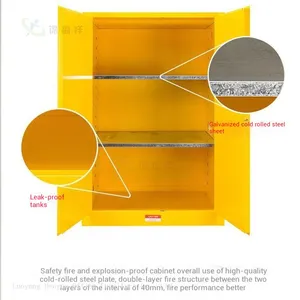
Like all quality safety cabinets, the HN-SLC4 features double-wall steel construction. There is a 40mm air gap between the inner and outer steel layers.This design serves a simple purpose: it slows down heat transfer. If a fire starts elsewhere in the lab, the air gap acts as insulation. It takes longer for heat to reach the chemicals inside. This gives firefighters more time to arrive and puts less stress on your chemical containers.
The steel itself is heavy-gauge cold rolled steel. It resists dents and stays strong for decades.
4. 50mm Leak-Proof Sump Catches Spills
Every HN-SLC4 cabinet has a built-in sump at the bottom. This is a 50mm deep tray that is completely sealed.Why is this important? Glass bottles break. Plastic containers drip. When that happens, liquid goes somewhere. In the HN-SLC4, it goes into the sump.
The sump holds the spilled liquid until you find it and clean it up. It does not run out onto the floor. It does not evaporate into the lab air. It stays contained, making cleanup safer and easier.
The polyethylene lining extends into the sump, so even aggressive acids will not damage this critical safety feature.
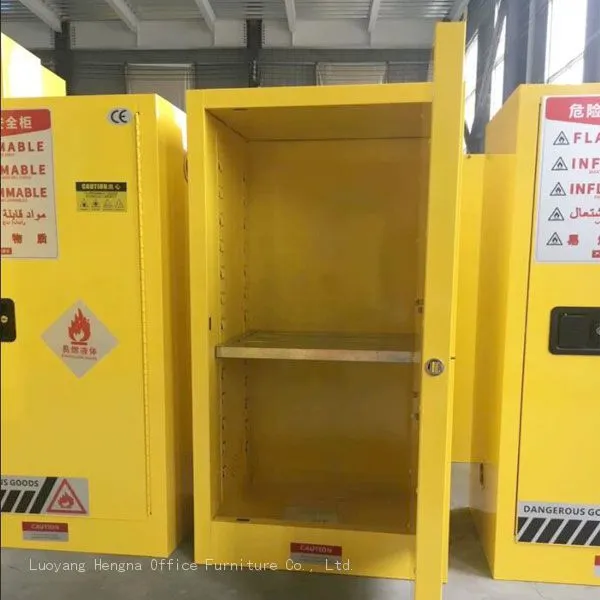
5. Adjustable Shelves for Different Bottle Sizes
School labs use many different containers. You might have:Small 500ml bottles for student use
One-gallon containers for bulk acids
Tall cylinders for specific reagents
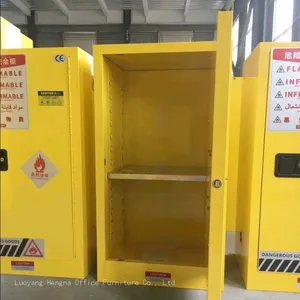
The HN-SLC4 lets you adjust shelf heights to fit whatever you need to store. Inside the cabinet, there are slotted tracks on the side walls. You place shelf clips into the slots, then set the shelf on top. Move the clips up or down to change shelf position.
No tools are required. You can reconfigure the entire cabinet in minutes as your storage needs change.
Shelf options include:
Polyethylene Shelves: Fully corrosion-resistant; ideal for direct acid storage
Galvanized Steel Shelves: Strong and rust-resistant; coated for chemical resistance
Each shelf holds over 150KG (330 pounds). That is plenty for multiple heavy acid bottles.
6. Double Lock Protection for Student Safety
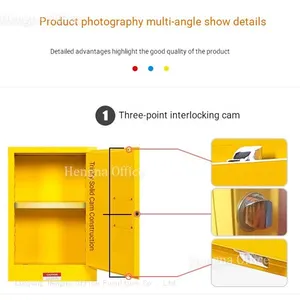
In a school environment, controlling access to chemicals is critical. The HN-SLC4 gives you two ways to lock it:Key Lock: The built-in lock works with the included keys. Turn and lock.
Padlock Hasp: The handle accepts an additional padlock for extra security.
This allows for two-person control if your school requires it. One person holds the key, another holds the padlock key. Both must be present to open the cabinet.
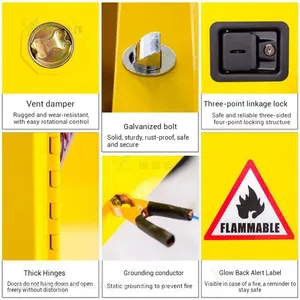
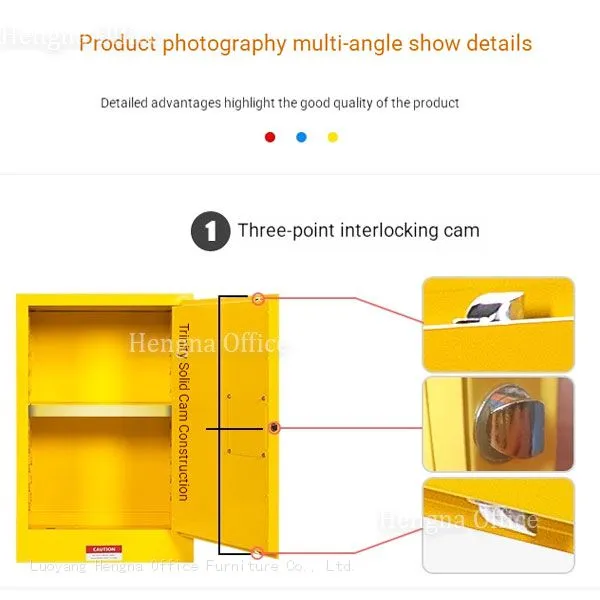
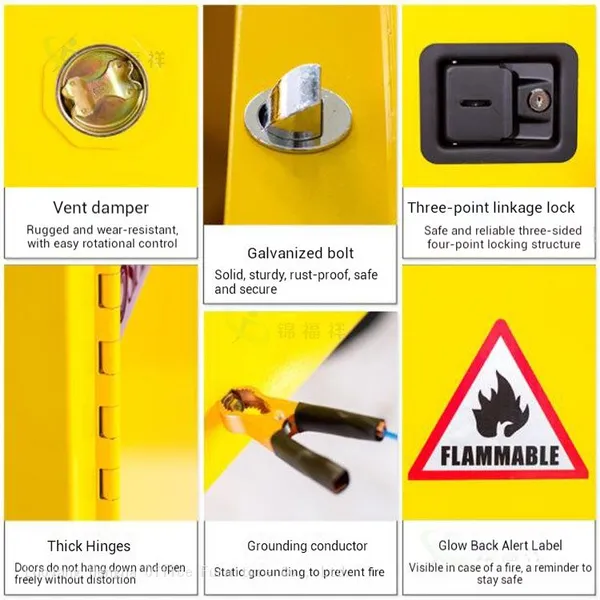
The locking mechanism connects to a three-point linkage. Thickened steel bolts shoot into the frame at the top, middle, and bottom when you lock it. This makes the door very difficult to force open.
7. Continuous Piano Hinge for Durability
The doors are attached with a full-length piano hinge. This runs the entire height of the door.Regular hinges with two or three attachment points can loosen over time. The door can sag, causing gaps in the seal. The piano hinge distributes weight evenly along the whole door. It stays tight and aligned for the life of the cabinet.
Opening and closing is smooth and easy. The hinge will not wear out.
8. Ventilation Ports for Fume Control
Some acids release fumes that can build up inside a closed cabinet. The HN-SLC4 has two ventilation ports: one on the lower left and one on the upper right.They come capped from the factory. Most labs leave them capped, and that is fine.
But if you need to exhaust fumes, you can remove the caps and connect ducting to a fume extraction system. The lower port draws fresh air in, and the upper port pulls fumes out. This creates airflow that prevents vapor buildup.
9. Grounding Wire for Static Control
When dispensing acids or other liquids, static electricity can build up. The HN-SLC4 includes a grounding wire and clamp.Setting it up is easy:
Find the grounding screw on the cabinet side.
Remove it, attach the wire connector, and put the screw back.
Clamp the other end to a verified ground, like a metal water pipe or grounding rod.
This gives static electricity a safe path to ground, removing a potential ignition source. While acids themselves may not be flammable, many labs store other chemicals nearby, and grounding is always good practice.
Why Schools Choose the HN-SLC4
School laboratories have unique needs. Here is why the HN-SLC4 is a popular choice:
School Need How HN-SLC4 Meets It Student Safety Polyethylene lining contains spills; bright blue color warns students Teacher Organization Adjustable shelves fit various containers; easy to rearrange Budget Constraints Factory-direct pricing; durable construction lasts for years Compliance Meets OSHA and NFPA standards; helps pass safety inspections Multiple Users Double lock allows two-person control; key and padlock options Space Limitations Multiple sizes from 4 to 90 gallons; fits any lab layout Choosing the Right Size
The HN-SLC4 comes in several sizes to match your lab's chemical inventory:
4 Gallon / 12 Gallon: Perfect for benchtop use or small teaching stations. Stores daily-use acids within easy reach.
22 Gallon / 30 Gallon: Ideal for smaller labs or storing specific acid classes separately.
45 Gallon / 60 Gallon: Standard sizes for most school labs. Holds a full inventory of common acids and bases.
90 Gallon / 115 Gallon: For larger teaching labs or central chemical storage rooms.
Think about what you need to store and how much space you have. Measure your available floor space before ordering.
Caring for Your Corrosive Cabinet
The HN-SLC4 requires minimal maintenance. Follow these simple guidelines:
Wipe up spills immediately when you find them. The polyethylene lining makes this easy.
Check the door gasket occasionally to ensure it seals properly.
Test the lock mechanism now and then to make sure it works smoothly.
Keep the exterior clean with a damp cloth and mild soap if needed.
Inspect the polyethylene lining periodically for any damage or wear.
That is all it takes to keep your cabinet in good working order for many years.
The HN-SLC4 Acid and Corrosive Storage Cabinet brings together everything a school lab needs: chemical resistance, fire protection, organizational flexibility, and security. The polyethylene lining protects against acid attack, extending the life of the cabinet and making spill cleanup easier. The bright blue color signals "corrosive" instantly to everyone in the lab. Adjustable shelves let you organize chemicals your way, and the double-lock system keeps students safe.
Whether you are equipping a new science wing or upgrading an existing lab, the HN-SLC4 gives you professional-grade corrosive storage at factory-direct value. Protect your students, your staff, and your chemical inventory with a cabinet built specifically for the challenges of school laboratory environments.
Frequently Asked Questions (FAQ)
Q1: What types of acids can I store in this cabinet?
A1: The HN-SLC4 with polyethylene lining is suitable for storing most common laboratory acids, including sulfuric acid, hydrochloric acid, nitric acid, phosphoric acid, and acetic acid. It is also suitable for bases and other corrosives. The polyethylene liner resists attack from these chemicals. Always check compatibility if you are storing unusual or highly concentrated acids.Q2: How do I clean up a spill inside the cabinet?
A2: Cleaning up a spill is straightforward. First, put on appropriate personal protective equipment (gloves, goggles, lab coat). Open the cabinet carefully. The spill will be contained in the polyethylene-lined sump at the bottom. Use appropriate absorbent material for the specific chemical (neutralizing agents or inert absorbents). Wipe the area clean with a damp cloth. The smooth polyethylene surface makes cleanup much easier than bare steel.Q3: Can I store other chemicals like flammables in this blue cabinet?
A3: It is best to follow color-coding guidelines. Blue is for corrosives. Flammables should go in a yellow cabinet. Using separate cabinets for different chemical classes prevents accidental mixing and makes your lab organization clearer to everyone. If you need both types of storage, consider one yellow cabinet for flammables and one blue cabinet for corrosives.

Send Inquiry to This Supplier



You May Also Like
-
Red Safety Cabinet for Flammable Liquids | Like Gasoline and Alcohol | With Internal Leak - Proof Tray - Model CR - 60US$ 50 - 400MOQ: 10 Sets
-
60 Gallon Double - Door Safety Cabinet | With Adjustable Shelves | for Flexible Storage in LaboratoriesUS$ 50 - 400MOQ: 10 Sets
-
Flammable Reagent Safety Cabinet | for Pathology Labs | With Anti-static Grounding Port and Double Lock SystemUS$ 50 - 400MOQ: 10 Sets
-
Chemical Storage Cabinet | for Pathology Laboratory Formaldehyde and Solvents | With 50mm Leak-proof SumpUS$ 50 - 400MOQ: 10 Sets
-
High Security Laboratory Safety Cabinet | for Pathology Tissue Sample Reagents | With Three-point Locking MechanismUS$ 50 - 400MOQ: 10 Sets
-
Secure Gasoline and Chemical Storage Cabinet | for Construction Sites | With 3-Point Lock and Anti-static GroundingUS$ 50 - 400MOQ: 10 Sets
-
Industrial Yellow Flammable Storage Cabinet for Chemical Warehouse & Spray Booth -Steel Fireproof Safety Cabinet 110 GallonUS$ 60 - 700MOQ: 5 Combos
-
Yellow Flammable Liquid Storage Cabinet for Laboratory Chemical Safety - 30 Gallon Steel Cabinet Factory Direct PriceUS$ 60 - 700MOQ: 5 Combos
-
22 Gallon Flammable Storage Cabinet for Auto Repair Shop & Garage - Yellow Steel Fuel & Solvent Safety CabinetUS$ 60 - 700MOQ: 5 Combos
-
60 Gallon Red Paint & Ink Storage Cabinet - Flammable Solid Steel Cabinet for Factory & Auto Repair ShopUS$ 68 - 400MOQ: 2 Combos

