


 Contact Platform Support
 Help Center
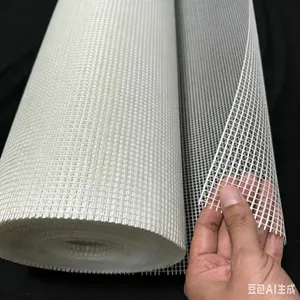
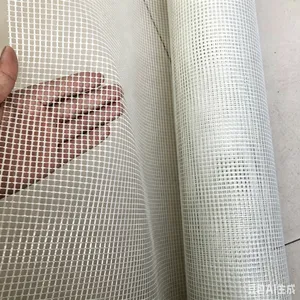
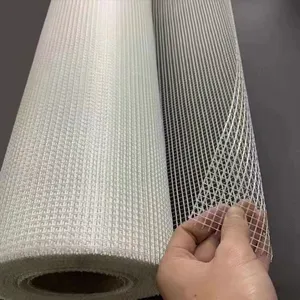
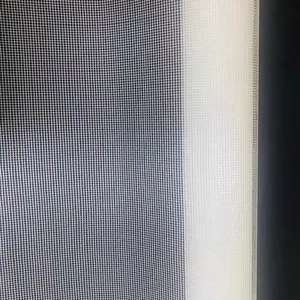
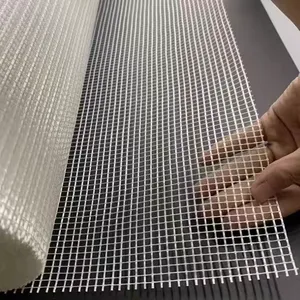
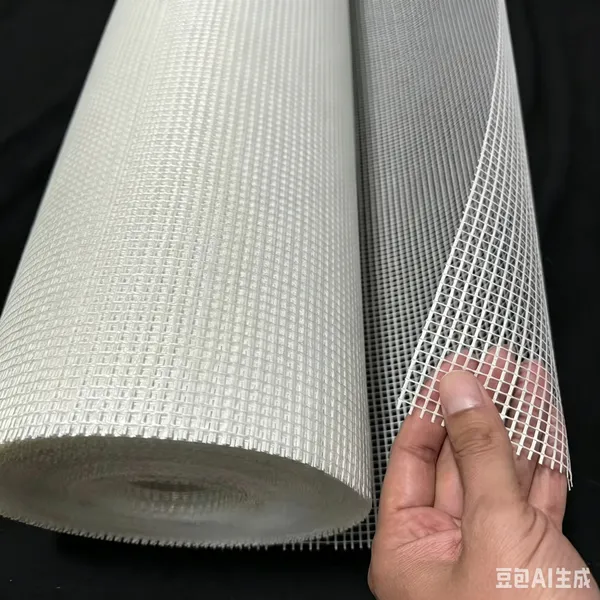
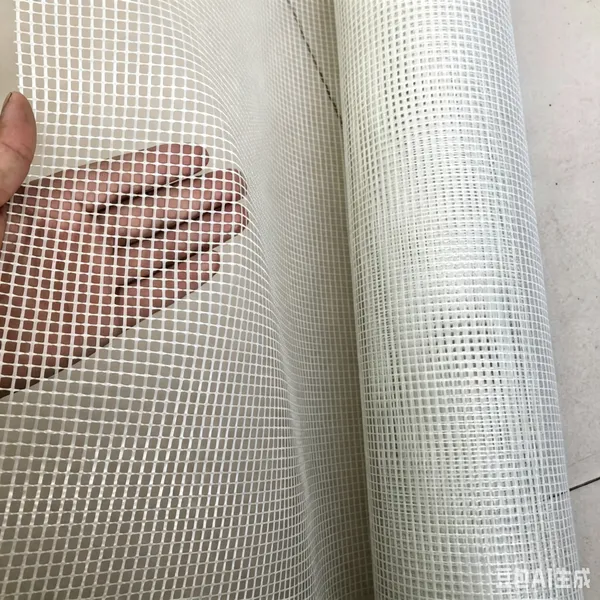
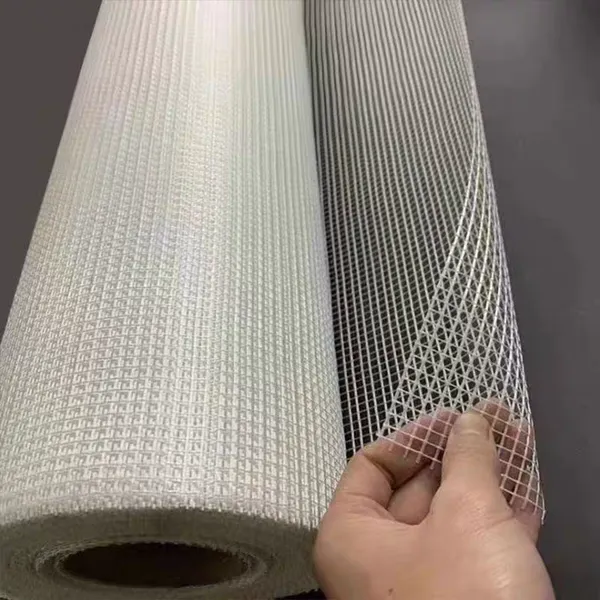
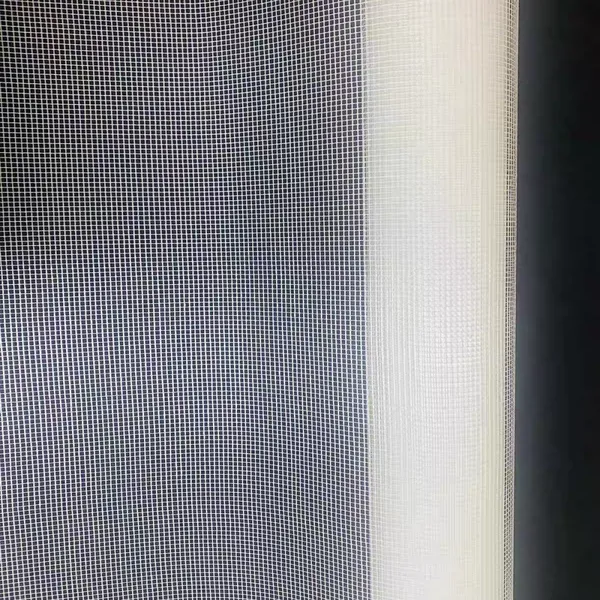
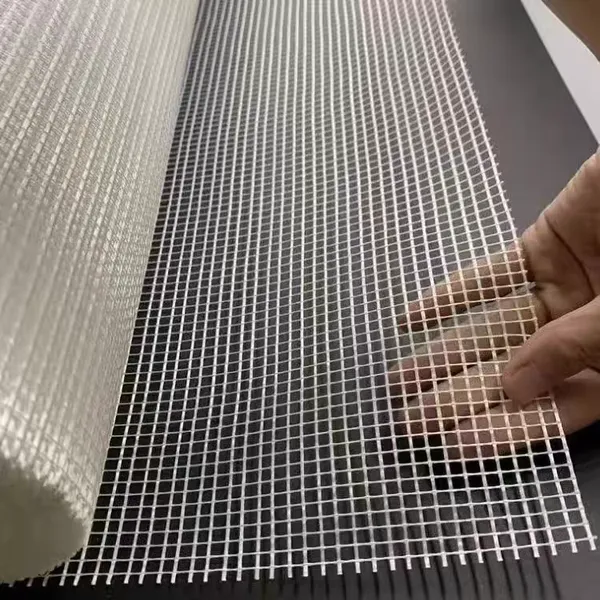
Geotextile Mesh Fabric for Railway Subgrade Reinforcement Drainage Filtration 200g/m2 Woven Roll
Product Spotlights


Related Products
-
 Reinforced Geotextile Mesh Fabric 80kN/m CBR Puncture Resistance Landfill LiningNegotiableMOQ: 1 Acre
 -
HDPE Geotextile Mesh Fabric for Drainage Sand Filtration 4m Width 500g/m2NegotiableMOQ: 1 Acre
-
Needle-punched Nonwoven Geotextile Mesh Fabric 250g/m2 5m Width Erosion ControlNegotiableMOQ: 1 Acre
-
Geotextile Mesh Fabric for Railway Ballast Separation 200kN/m ISO Standard Roll 6mNegotiableMOQ: 1 Acre
-
Geotextile Mesh Fabric for Landfill Liner Protection 20kN/m Puncture Resistance With WarrantyNegotiableMOQ: 1 Acre
As a professional manufacturer, Anping Xinye Metal Wire Mesh Products Co., Ltd offers a high-performance woven geotextile mesh fabric specially designed for railway subgrade reinforcement, drainage and filtration. This 200g/m2 roll material is manufactured using selected polypropylene or polyester yarns and precision weaving technology to provide reliable structural performance in demanding railway environments. Our production base in Hengshui, Hebei, China covers 5,000-10,000 square meters, with a skilled team of 51-100 employees who focus on consistent quality, timely delivery and responsive technical support.
This woven geotextile is more than a simple separation layer. It is a multifunctional geosynthetic that distributes dynamic train loads, preserves clean drainage paths, prevents soil migration, and helps extend the service life of railway track infrastructure. Whether you are working on new subgrade construction, ballast rehabilitation, soft soil improvement, or drainage layer installation, this fabric offers a practical and dependable solution.
Product Overview and Core Functions
The woven construction of this geotextile mesh fabric consists of interlaced flat or textured yarns that form a stable, open mesh structure. In railway engineering, it is placed between the natural subgrade soil and the ballast or aggregate layer, where it provides three essential functions:
- Reinforcement: The fabric improves the load-bearing capacity of weak subgrade by distributing concentrated wheel loads over a larger area and reducing lateral spreading of aggregate.
- Drainage: The open mesh permits rapid water flow through the soil interface, limiting hydrostatic pressure and preventing the trackbed from becoming saturated and soft.
- Filtration and separation: By retaining fine soil particles while allowing water to pass, the geotextile protects ballast layers from contamination and maintains long-term drainage performance.
Technical Specifications
The table below summarizes the commonly supplied specification ranges for this 200g/m2 woven geotextile roll. Please note that all parameters can be adjusted to meet your specific project requirements.
| Parameter | Typical Value |
|---|---|
| Material | Polypropylene (PP) or polyester (PET) |
| Weight | 200 g/m2 |
| Tensile strength (MD/CD) | 20 kN/m - 30 kN/m typical, customizable |
| Elongation at break | 10% - 20% typical |
| Water flow / permeability | High flow rate, detailed value available upon request |
| Puncture resistance | Factory controlled, tested value available upon request |
| Roll width | 2 m - 6 m or customized |
| Roll length | 50 m, 100 m or customized |
| Color | Black, white, or project-specific color |
| Function | Reinforcement, drainage, filtration, separation |
Note: The above values are typical reference ranges, not a fixed legal specification. Final technical parameters can be customized according to your engineering requirements, testing standards, or project specification.
Key Features and Customer Benefits
- High tensile strength for rail loads: The woven structure gives the fabric excellent resistance to stretching and deformation under repeated train loads, helping to maintain track geometry over time.
- Good water permeability: Water can quickly pass through the mesh openings, reducing pore water pressure and keeping the railway subgrade dry.
- Effective soil filtration: The opening size is designed to retain fine particles while allowing water flow, preventing clogging of the drainage layer.
- Puncture and tear resistance: The fabric can withstand the stress of aggregate placement, compaction equipment, and rough subgrade surfaces without losing integrity.
- UV and chemical resistance: Polypropylene and polyester materials offer stable performance under sunlight and in common soil environments.
- Customizable dimensions: Roll width, roll length, color, and even weave density can be adjusted to fit project specifications and installation procedures.
Application Areas
- Railway subgrade reinforcement and soft soil foundation treatment
- Separation and filtration layer under railway ballast
- Highway and road embankment construction
- Retaining wall and tunnel drainage systems
- Slope protection and erosion control
- Landfill base separation and drainage projects
- Airport and industrial pavement foundation layers
Installation Guide
- Prepare a smooth and compacted subgrade surface, removing sharp stones and debris.
- Unroll the geotextile fabric over the prepared area without wrinkles or folds.
- Overlap adjacent rolls by 150-300 mm, or as specified by the design engineer.
- Place and compact ballast or aggregate directly on the fabric without unnecessary delay.
- Avoid heavy machinery turning directly on the exposed fabric and repair any localized damage before covering.
Project Performance Advantages
- Cleaner ballast means better drainage and longer intervals between track maintenance cycles.
- Reduced subgrade movement and differential settlement improve passenger comfort and track safety.
- Fast installation saves time and labor compared with traditional granular filter layers.
- Less aggregate contamination lowers material replacement costs over the life of the railway structure.
- Consistent roll quality minimizes field issues and makes quality control easier for contractors.
Why Choose Anping Xinye Metal Wire Mesh Products Co., Ltd.
With a factory area of 5,000-10,000 square meters, a team of 51-100 employees, and export experience across North America, South America, Eastern Europe, Southeast Asia, Africa, Oceania, the Middle East, East Asia, Western Europe, Central America, Northern Europe, Southern Europe and South Asia, we are well positioned to serve large-scale infrastructure contractors and regional distributors. Our convenient shipping ports are Tianjin, Qingdao and Shanghai, which reduce logistics time for international orders. Certification documentation and factory test results can be made available upon request. We invite you to contact us for a sample, detailed technical data, or a customized quotation, and we will support your railway subgrade project with stable production capacity and responsive communication.
Frequently Asked Questions
Q1: What is the difference between woven and nonwoven geotextile?
A1: Woven geotextiles are produced by interlacing yarns, which gives them higher tensile strength and better reinforcement performance. Nonwoven geotextiles are made from randomly arranged fibers and may offer better elongation and filtration in some drainage applications. This product uses woven construction because railway subgrade reinforcement requires high strength and dimensional stability.
Q2: Why is 200g/m2 a common specification for railway subgrade geotextile?
A2: A 200g/m2 geotextile provides a balanced combination of strength, permeability, and ease of installation for many railway subgrade designs. It is suitable for typical separation and drainage functions under ballast. If your project requires higher load capacity, heavier geotextiles or stronger customized weaving can also be supplied.
Q3: Can this geotextile mesh fabric be used for both reinforcement and drainage?
A3: Yes. The woven mesh structure is strong enough to reinforce the subgrade while its engineered openings allow water to drain quickly. The exact balance between reinforcement and drainage depends on the yarn strength, opening size, and project specifications. Our technical team can custom adjust these factors based on your requirements.
Q4: What roll sizes and packaging are available?
A4: Standard widths range from 2m to 6m, and standard lengths are usually 50m or 100m. Bulk production can be customized to different widths, lengths, and packing styles. Rolls are typically wrapped in plastic or woven bags and palletized for safe ocean shipping.
Q5: How should this geotextile be installed in railway subgrade?
A5: The subgrade surface should be smooth, compacted, and free of sharp objects. Place the fabric flat on the prepared surface, overlap adjacent rolls by 150-300mm, and cover with ballast or aggregate as soon as possible. This prevents accidental damage and maintains the filtration and reinforcement functions.
Q6: Is this woven geotextile resistant to UV exposure?
A6: Polypropylene and polyester are inherently stable to sunlight within a reasonable time frame, and this geotextile is designed for normal outdoor construction periods. For long periods of uncovered storage, we can provide advice on suitable storage protection or adjust the formulation according to project requirements.
Q7: Can we get samples before placing a bulk order?
A7: Yes, samples are available for quality verification and engineering review. Please send us your required specification, target quantity, and project background, and we will confirm sample availability and delivery details promptly.
Q8: What are the main export ports?
A8: Our main shipment ports are Tianjin, Qingdao, and Shanghai. These ports offer efficient connections to global shipping routes, helping us deliver your geotextile rolls in a timely and reliable manner.

Send Inquiry to This Supplier


You May Also Like
-
Geotextile Mesh Fabric 150gsm 5m Width Mill Test Report Provided 1-Year WarrantyNegotiableMOQ: 1 Acre
-
Woven Polyester Geotextile Mesh Fabric 8m Wide 50kN/m Aperture 0.3mmNegotiableMOQ: 1 Acre
-
PET Geotextile Mesh Fabric 200gsm Nonwoven Permeable Sheet for Drainage LayerNegotiableMOQ: 1 Acre
-
Geotextile Mesh Fabric 4m Width 100kN/m Tensile Reinforcement for Soil StabilizationNegotiableMOQ: 1 Acre
-
High-Strength Geotextile Mesh Fabric 100kN/m CBR Burst Strength for Slope StabilizationNegotiableMOQ: 1 Acre
-
Needle Punched Geotextile Mesh Fabric 400gsm Permeability 0.1cm/s for Subgrade SeparationNegotiableMOQ: 1 Acre
-
Reinforced Geotextile Mesh Fabric 120kN/m UV-Stabilized PP With Technical Installation SupportNegotiableMOQ: 1 Acre
-
PP Geotextile Mesh Fabric 150kN/m Tensile Strength 6m Width for Road ReinforcementNegotiableMOQ: 1 Acre
-
Geotextile Mesh Fabric for Landfill Liner Protection With 12 Month Warranty and Mill Test ReportNegotiableMOQ: 1 Acre
-
Polypropylene Geotextile Mesh Fabric 6m Wide Roll 98% Open Area for Erosion ControlNegotiableMOQ: 1 Acre


